The Best Fixed Bollard Solutions for Global Buyers Seeking Safety
In today's world, safety is more crucial than ever. Urban environments face challenges from vehicle-related threats. Fixed Bollards play a vital role in ensuring the safety of pedestrians and property. They serve as physical barriers that prevent unauthorized vehicle access.
Buyers globally seek reliable solutions. The demand for Fixed Bollards grows as security concerns rise. However, not all solutions are created equal. Selecting the right type requires careful consideration. Factors include design, durability, and installation methods.
Many options exist in the market, but expertise is key. Understanding local regulations and specific needs is essential. It is also important to reflect on implementation. A poorly placed bollard may hinder access more than it helps. Fixed Bollards should enhance safety without disrupting traffic flow. Buyers must ask the right questions. They need to ensure their investment genuinely protects what matters most.
Understanding Fixed Bollards: Definition and Purpose
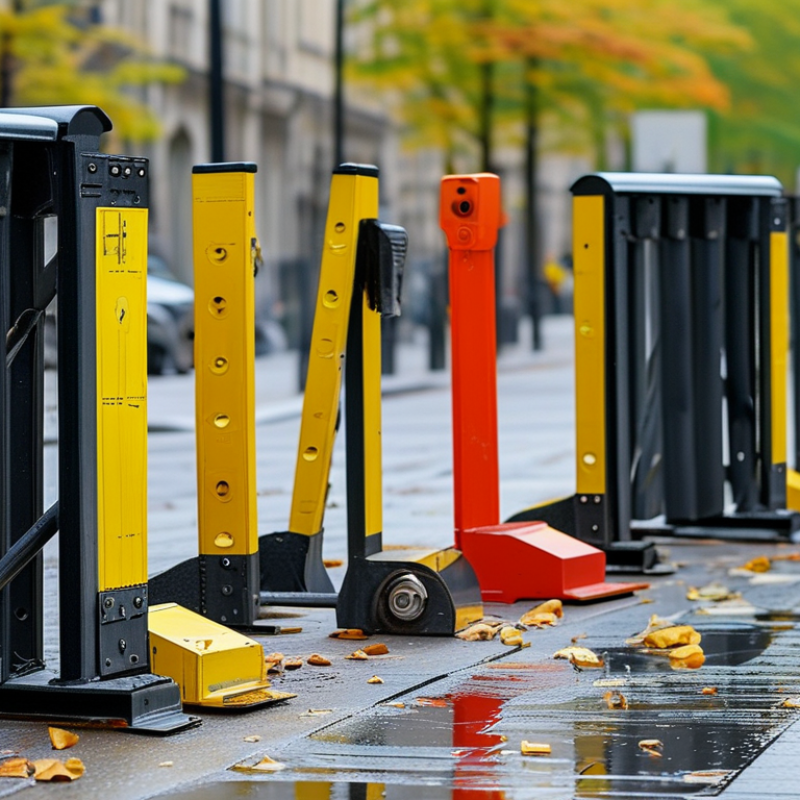
Fixed bollards are essential safety features for many urban landscapes. They serve to prevent vehicle access in sensitive areas, enhancing pedestrian safety. These sturdy posts can absorb and redirect vehicle impact, safeguarding public spaces like parks, playgrounds, and outdoor markets. Their role is crucial, especially in crowded city centers.
Understanding fixed bollards goes beyond their physical presence. They need proper installation and maintenance to ensure effectiveness. Each bollard's height, material, and design should match its intended environment. For instance, higher bollards may be necessary in high-risk areas, while decorative bollards can blend functionality with aesthetics. This careful consideration can be overlooked, leading to gaps in safety measures.
Installation often requires collaboration with local authorities and urban planners. If not properly aligned with regulations, it may lead to legal challenges. There can also be a mismatch between the bollards’ intended purpose and the actual risks present. Reflecting on these choices is vital for achieving an optimal balance between safety and accessibility for all.
Key Considerations for Selecting Fixed Bollard Solutions
When selecting fixed bollard solutions, several factors should be at the forefront of your decision-making process. A key consideration is the level of security offered. Different environments require varying degrees of protection. For instance, urban areas with high foot traffic may demand stronger, impact-resistant bollards. Understanding the specific risks in your area can guide your choice.
Another crucial aspect is the design and material of the bollards. They should blend with the surroundings while maintaining functionality. Aesthetic appeal matters to many buyers. However, aesthetics should not outweigh safety. Durability is also significant; materials need to withstand harsh weather conditions. In some instances, cheaper options may lead to frequent replacements, creating hidden costs in the long run.
Lastly, installation and maintenance are often overlooked. Some solutions require professional installation, while others might be user-friendly. Maintenance needs should also be evaluated. Regular checks can prevent deterioration and ensure safety. Reflecting on personal needs and local conditions will enhance your decision-making. This thoughtful approach will yield a satisfactory investment in fixed bollard solutions.
Top Fixed Bollard Technologies for Enhanced Safety
Fixed bollards play a crucial role in enhancing safety across various environments. These sturdy installations prevent unauthorized vehicle access in sensitive areas. They are essential in urban centers, where pedestrian safety is a primary concern. Their design and technology have evolved, reflecting advancements in safety standards. The best solutions combine durability with aesthetic appeal.
Innovative technologies are available for fixed bollards. Some incorporate breakaway mechanisms, which allow for controlled impact absorption. Others utilize materials like reinforced concrete or advanced polymers, enhancing strength. These features ensure that bollards withstand harsh conditions and accidental collisions. It is worth noting that not all designs are equally effective; some might lack adequate visibility or strength.
Selecting the right bollard requires expertise and careful consideration. Assessing specific site needs is crucial. Factors such as traffic patterns, pedestrian flow, and environmental conditions influence the best choice. Regular maintenance of bollards is also a reflection of commitment to safety. Many overlook this aspect, leading to decreased effectiveness over time. Examining these elements can improve safety measures significantly.
The Best Fixed Bollard Solutions for Global Buyers Seeking Safety
Global Standards and Regulations Governing Fixed Bollard Installation
Fixed bollards are essential for urban safety. Different regions have unique regulations governing their installation. It’s crucial for buyers to understand these standards. Compliance ensures maximum effectiveness in preventing unauthorized vehicle access.
Countries often require specific testing protocols. These protocols evaluate a bollard's strength and durability. Security ratings can vary widely. Some areas may focus on stopping power, while others prioritize aesthetics and integration into urban design. Navigating these differences can be challenging.
Installation practices also differ globally. Some regions advocate for deep foundation structures, while others suggest surface-mounted solutions. Buyers may find conflicting information on best practices. Accurate, reliable installation is key to performance. Researching local industry standards is advisable to achieve safety objectives.
Case Studies: Successful Implementation of Fixed Bollard Systems
Fixed bollard systems are increasingly used around the world to enhance safety in urban environments. They provide a robust barrier against vehicle intrusion in high-traffic areas. Case studies reveal how various cities have successfully implemented these solutions, tailoring them to meet specific needs. In one instance, a popular pedestrian zone adopted a series of fixed bollards. The initial design faced criticism for aesthetics, but adjustments improved public acceptance.
Another notable example comes from a government building that faced security threats. The installation of fixed bollards prevented unauthorized access, but some residents expressed concerns about reduced visibility. This led to further discussions on design balance between security and openness.
While these systems do enhance safety, there are questions regarding their impact on the urban landscape. Citizens want both protection and an inviting environment. Feedback from these projects highlights the ongoing need for thoughtful solutions. Each experience provides valuable lessons for future implementations.
