What is the Best Horizontal Drilling Rig for Your Needs?
Choosing the right horizontal drilling rig can significantly impact your project’s success. It’s essential to consider various factors, including project size, soil conditions, and budget. A horizontal drilling rig is not a one-size-fits-all solution. Each model offers different capabilities and features tailored to specific needs.
Evaluating your requirements is crucial. For instance, larger projects may demand more powerful rigs with advanced technology. On the other hand, smaller projects might benefit from compact, maneuverable rigs. The balance between performance and cost can often feel overwhelming. It's vital to understand what works best for your unique situation.
Though several brands and models are available, not all will meet your expectations. Researching user experiences can provide insight. However, remember that some reviews may focus on ideal situations that don’t reflect practical challenges. Emphasizing reliability and efficiency in your choice can lead to better results in your drilling operations.
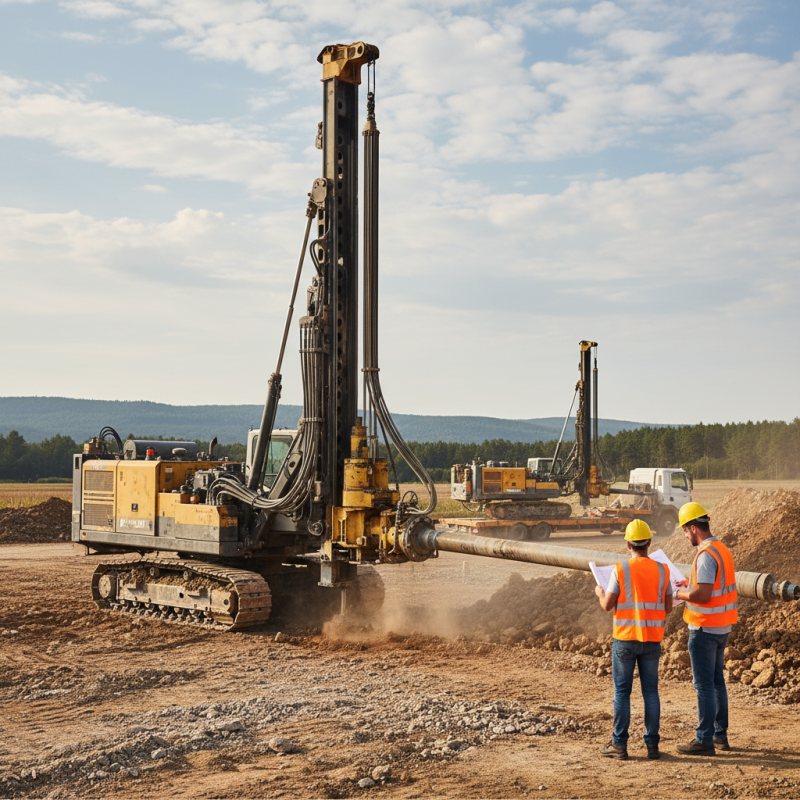
Factors to Consider When Selecting a Horizontal Drilling Rig
When selecting a horizontal drilling rig, various factors demand careful consideration. Firstly, assess the geological conditions of your project site. According to a 2022 report by the International Association of Drilling Contractors, soil composition and stability significantly impact drilling efficiency and safety. Understanding the subsurface environment will guide you in choosing the right equipment. For example, rocky terrains may require more robust rigs than softer ground.
Another critical aspect is the rig's power and torque capabilities. A study by the American Society of Civil Engineers highlights that rigs with higher torque can penetrate tougher formations more effectively. The right torque rating can enhance your project's productivity. Look into the rig's size and its transportability too. Larger rigs might perform better but pose challenges in transport and setup.
Operators' experience and training are equally vital. Data from the National Center for Construction Education and Research indicates that skilled operators can increase drilling accuracy, reducing time and costs. It's essential to foster a skilled workforce for optimal utilization of the rig. Not every project requires the most advanced technology; in certain cases, simpler rigs may be more reliable and cost-effective. Balancing technology, capability, and operator skill can lead to more satisfactory outcomes and improved project efficiency.
Types of Horizontal Drilling Rigs and Their Applications
When selecting a horizontal drilling rig, consider the specific applications. There are various types of rigs, each suited for different tasks. For urban areas, smaller rigs minimize surface disruption. They are designed to navigate tight spaces effectively. Larger rigs, on the other hand, excel in industrial settings, offering higher torque and greater depth.
A common type is the tracked rig. It provides stability and maneuverability on uneven terrain. These rigs are ideal for challenging environments. In contrast, wheeled rigs are more mobile and can travel quickly between sites. This is beneficial for projects that require frequent relocation.
Tips: Always assess the terrain before choosing a rig. Uneven ground may affect rig performance. Additionally, ensure the crew is trained in operating specific types of rigs. This enhances safety and efficiency. Remember, not every rig fits every project, so consider your unique needs.
Types of Horizontal Drilling Rigs and Their Applications
This bar chart illustrates the various types of horizontal drilling rigs and their respective applications in different industries. Rotary rigs dominate the market, primarily used for oil and gas extraction, while directional rigs and dual-gradient rigs serve specialized sectors. Understanding the capabilities of each rig type can help you choose the best option for your needs.
Key Features to Look for in a Horizontal Drilling Rig
When choosing a horizontal drilling rig, it’s essential to consider key features. The capability to handle various soil types is crucial. A versatile rig can adapt to challenging conditions, ensuring efficiency. Pay attention to the rig's torque capacity. Higher torque allows for deeper drilling and better performance under tough conditions.
Look at the rig's size and weight. A compact design is often easier to transport and set up. However, heavier rigs typically offer more stability. Balance portability and power based on your project needs. Always check for user-friendly controls. Simple, intuitive interfaces make operations smoother, especially for new operators.
Maintenance features should not be overlooked. A rig that allows easy access for servicing will save time and reduce downtime. Finally, think about training resources. Quality support can significantly impact your team's effectiveness. Reflect on these factors carefully. Each project is unique, requiring specific considerations for the best results.
Maintenance and Operational Costs of Horizontal Drilling Rigs
When considering horizontal drilling rigs, maintenance and operational costs are critical factors. Regular maintenance enhances performance and prolongs the rig's life. However, these routine checks can be time-consuming and costly. Ignoring maintenance can lead to unexpected breakdowns, resulting in higher expenses and downtime.
Operational costs fluctuate based on several factors. Fuel consumption is a significant part of the budget. In addition, training personnel adds to the overall costs. Skilled operators ensure efficient drilling, making their training crucial. Cutting corners in hiring or training can lead to mistakes that are expensive to correct.
Planning is essential. A well-maintained rig can lower costs in the long run. Yet, initial investments in quality equipment can be steep. Buyers should weigh short-term savings against potential future expenses. Each drilling project brings unique challenges, and understanding these can lead to better financial decisions.
Top Brands and Models of Horizontal Drilling Rigs in the Market
When choosing a horizontal drilling rig, brand reputation matters. Look for manufacturers known for quality engineering and customer support. Some brands consistently receive positive reviews from industry professionals. This can provide insight into which models have proven reliability in various conditions.
Consider specific models that cater to different project needs. Some rigs are designed for tight spaces, while others excel in larger-scale operations. Excavation depth and soil type also play vital roles in model selection. It's crucial to assess your project requirements carefully.
Additionally, price does not always equate to performance. More affordable models may suit smaller projects perfectly. High-end rigs may offer advanced features but could be excessive for simpler tasks. Research is key to striking the right balance between capability and cost.
