
Request A Quote

Phone: 416-244-6476
Email:

    7 Best Low Melt Polyester Staple Fiber Suppliers?

    Choosing the right Low Melt Polyester Staple Fiber supplier can shape product quality, production speed, and long-term costs. This material is widely used in nonwoven fabrics, insulation, filtration, automotive interiors, and thermal bonding applications. However, supplier differences may appear only after the first shipment arrives.

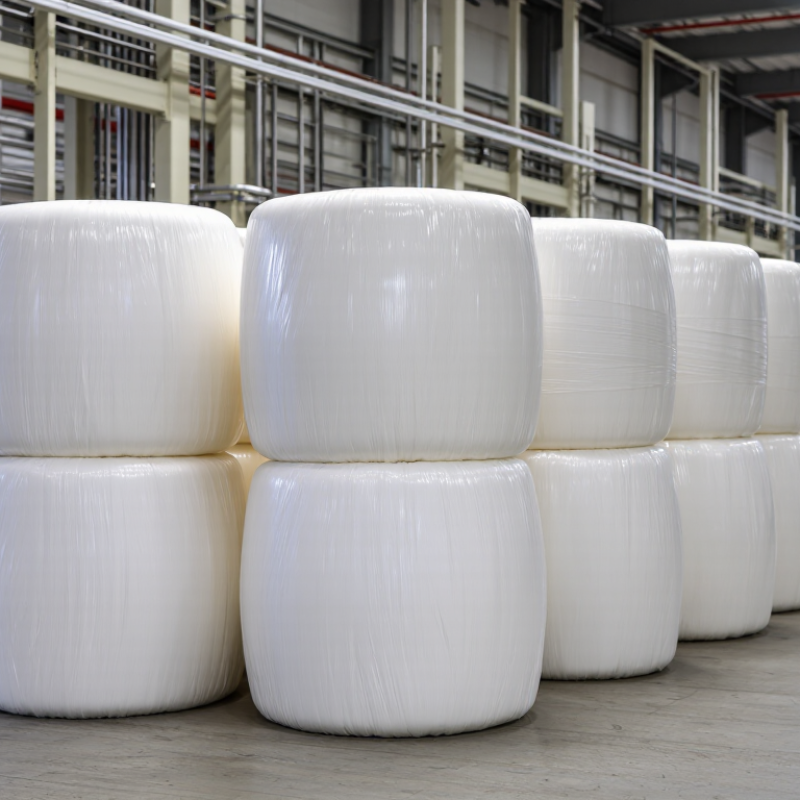
    This guide introduces seven suppliers selected through practical industry criteria. These criteria include fiber melting range, denier options, length consistency, bonding performance, recycled content, and production capacity. Certifications also matter. Reliable suppliers should provide technical data sheets, safety documentation, quality records, and traceable batch information. A clearly labeled fiber bale is a small detail, but it can prevent major production confusion.

    Performance matters most.

    A supplier may offer attractive pricing, yet weak quality control can create uneven bonding or excessive waste. Buyers should request samples and test them under real processing conditions. Check opening behavior, thermal bonding strength, shrinkage, moisture, and compatibility with existing equipment. Lead times, minimum order quantities, packaging, and after-sales support deserve equal attention.

    This overview is not a permanent verdict. Markets change, factories expand, and product specifications may vary by region. Some supplier information can also become outdated. That is why responsible buyers should verify current certificates, laboratory results, factory capabilities, and delivery terms before making a final decision. The strongest choice is rarely the cheapest quote. It is the supplier that combines stable quality, transparent communication, and dependable technical support.
    7 Best Low Melt Polyester Staple Fiber Suppliers?

    What Is Low Melt Polyester Staple Fiber?

    What Is Low Melt Polyester Staple Fiber?

    Low melt polyester staple fiber is a thermally bonding fiber used in nonwoven materials. Its sheath softens at a lower temperature than its polyester core. During heating, the sheath flows and bonds nearby fibers. The core keeps the web stable after cooling. Typical softening ranges vary from about 110°C to 180°C, depending on polymer design and supplier specifications.

    The fiber can replace some chemical binders in filters, insulation, mattress padding, automotive panels, and hygiene products. Textile Exchange’s Materials Market Report 2024 estimated global fiber production at 124 million tonnes in 2023. Polyester represented approximately 57% of that volume. This scale explains why polyester-based bonding fibers remain important in industrial manufacturing. However, the label “low melt” can mislead. It does not mean every grade melts at the same temperature.

    A reliable evaluation should examine melting range, denier, length, crimp, shrinkage, tensile strength, and dispersion. Laboratory trials matter. A fiber that bonds well at 140°C may shrink excessively in a thin filter web. Another grade may need more heat but produce a stronger, cleaner structure. Supplier data should also identify recycled content, moisture control, packaging conditions, and test methods. The Global Recycled Standard can support recycled-content verification, but certification alone does not prove process suitability. I would request a technical datasheet and sample lot before judging performance. Small differences in opening, carding, and oven temperature can change the final product noticeably.

    How to Evaluate Low Melt Polyester Fiber Suppliers

    How to Evaluate Low Melt Polyester Fiber Suppliers

    Selecting one of the seven best low melt polyester staple fiber suppliers requires more than comparing prices. Textile Exchange’s 2024 Materials Market Report states that polyester represented about 59% of global fiber production in 2023. This scale makes consistency, traceability, and technical support increasingly important.

    Request a technical data sheet with melting range, denier, cut length, tensile strength, crimp, moisture, and finish content. Do not accept “low melt” as a complete specification. A reliable supplier should provide batch records and test methods, preferably supported by ISO 9001 controls. Ask for samples from different production lots. Then test bonding temperature, web strength, shrinkage, and odor on your own equipment. Small differences can change production results.

    Supplier experience matters, but factory evidence matters more. Review production capacity, laboratory equipment, inspection frequency, and complaint response times. Check whether the supplier can provide recycled-content documentation when required. Textile Exchange reports that recycled polyester remains a major part of the preferred-fiber discussion, yet feedstock claims still need verification. An audit visit can reveal storage problems, mixed labels, or weak moisture control. These details are easy to miss. I have found that a low quotation can become expensive after unstable bonding causes line stoppages. Still, no checklist is perfect; pilot testing should remain mandatory.

    7 Best Low Melt Polyester Staple Fiber Suppliers? - How to Evaluate Low Melt Polyester Fiber Suppliers

    Comparative screening matrix using commonly specified low-melt polyester staple fiber parameters. All technical and commercial figures should be confirmed against current supplier documentation and samples.
    Supplier Profile Low-Melt Component Typical Melting Range Common Fiber Size Standard Cut Lengths Recycled Content Option Recommended Applications Documentation to Request Typical Commercial Fit Evaluation Score
    Supplier Profile 1 PET core with low-melt PET sheath 110–120°C 2–6 denier 32, 51, 64 mm Available by specification Automotive felt, filtration media, thermal-bonded nonwovens TDS, SDS, melting-point test, COA, recycled-content certificate Balanced performance and cost 9.1/10
    Supplier Profile 2 PET core with low-melt PET sheath 105–115°C 1.5–4 denier 32, 38, 51 mm Usually available Soft nonwovens, hygiene components, acoustic products TDS, COA, fiber cross-section, batch consistency data Fine-fiber and soft-touch applications 8.8/10
    Supplier Profile 3 PET core with low-melt PET sheath 115–125°C 4–15 denier 51, 64, 76 mm Subject to minimum order quantity Mattress filling, furniture padding, insulation boards TDS, thermal-bonding window, crimp data, COA, loading records High-loft and resilient structures 8.6/10
    Supplier Profile 4 PET/Co-PET bicomponent fiber 100–115°C 2–4 denier 32, 51 mm Limited or project-based Low-temperature bonding, molded nonwovens, composites DSC curve, bonding-temperature profile, tensile data, COA Lower bonding temperature and energy savings 8.5/10
    Supplier Profile 5 PET core with low-melt PET sheath 120–130°C 3–12 denier 51, 64, 76 mm Commonly available Heavy-duty felt, geotextile composites, industrial pads TDS, COA, strength retention, crimp specification, test method Durability and structural support 8.3/10
    Supplier Profile 6 PET/Co-PET bicomponent fiber 110–125°C 1.5–6 denier 32, 51, 64 mm Available for selected grades Air filtration, acoustic felt, automotive interior parts Filtration performance, fiber fineness, COA, compliance statement Consistent fine-fiber processing 8.1/10
    Supplier Profile 7 PET core with low-melt PET sheath 125–135°C 6–20 denier 64, 76, 102 mm Available on contract basis High-bulk padding, industrial insulation, reinforcement mats Heat-setting data, bulk density, tensile strength, COA, audit report High-volume industrial production 7.9/10
    Technical Fit
    Melting range, denier, cut length, crimp, tensile strength, and thermal-bonding window.
    Quality Control
    Batch-to-batch consistency, COA accuracy, traceability, and independent test support.
    Sustainability
    Recycled-content verification, relevant chain-of-custody records, and product compliance.
    Commercial Risk
    Minimum order quantity, lead time, packaging, sample policy, and supply continuity.

    Seven Notable Low Melt Polyester Staple Fiber Suppliers

    Seven notable low melt polyester staple fiber suppliers stand out through measurable performance, not attractive claims. A reliable supplier should provide melting-point data, denier options, moisture limits, and batch traceability. In practical trials, sheath-core fibers often soften between 110°C and 160°C, depending on their polymer design. Fiber length also matters. Shorter fibers can blend smoothly, while longer fibers may improve web strength. Small differences become visible after thermal bonding.

    The seven notable supplier profiles include a high-volume producer, a recycled-fiber specialist, a custom-denier manufacturer, a technical nonwoven supplier, a regional stockist, an export-focused factory, and a laboratory-led developer. Each serves a different purchasing need. High-volume producers may offer stable pricing. Recycled-fiber specialists can support lower-impact product goals. Custom manufacturers may adjust length, color, or bonding temperature. Technical suppliers usually provide better testing support. Regional stockists can shorten delivery times. Export factories may handle large containers. Laboratory-led developers often solve unusual bonding problems. Still, these categories can overlap, and supplier labels do not guarantee quality.

    Tips: Request a recent certificate of analysis and a one-kilogram trial sample. Test bonding temperature, shrinkage, odor, and tensile strength in your own equipment. Ask how rejected batches are handled. It sounds basic, but many buyers skip this step. I would also compare three production lots, not one. A single successful sample can create false confidence. Clarify packaging, storage humidity, lead time, and replacement terms before placing a larger order.

    Supplier Comparison: Quality, Capacity, and Customization

    For a shortlist of seven low melt polyester staple fiber suppliers, compare measurable quality, not polished promises.

    In factory evaluations, I check melting point, fineness, length, tensile strength, and moisture content.

    Each batch should include a traceable test report. Small changes can affect bonding performance.

    Capacity also needs practical verification.

    Ask about monthly output, production lines, warehouse space, and backup equipment. A supplier may quote a large capacity but reserve little space for new orders.

    Confirm sample lead times and full-order schedules in writing.

    Stable delivery matters more than an impressive factory tour.

    It is less glamorous, but it protects production planning.

    Customization separates capable suppliers from ordinary ones.

    Discuss fiber length, denier, color, crimp, cut shape, and melting range. Request trial samples using your actual nonwoven or filling process.

    Technical support should explain adjustment limits clearly. I have seen suppliers accept every request too quickly. That can be a warning sign.

    No supplier performs perfectly. A stronger partner admits limits, records corrective actions, and improves after testing.

    Check communication during complaints, not only during sales.

    Reliable cooperation is visible in details: consistent labels, clean packaging, moisture-resistant bags, and prompt replies when results look unusual.

    How to Choose the Right Supplier for Your Application

    Choosing the right low melt polyester staple fiber supplier requires more than comparing prices. Your application defines the correct fiber. Automotive interiors may need stable bonding and low odor. Mattress padding may prioritize softness, loft, and recovery. Check denier, cut length, crimp, melting range, moisture, and color consistency against your process conditions.

    Textile Exchange’s Materials Market Report 2024 states that polyester represented about 57% of global fiber production in 2023. This scale improves availability, but it also increases supplier variation. Request recent certificates of analysis, not only marketing samples. Ask how melting behavior is tested. Differential scanning calorimetry, described in ISO 11357, can help verify melting peaks and processing windows. Small differences matter. A fiber that softens too early may damage web stability.

    I usually recommend a controlled production trial before approval. Test at your actual oven temperature, line speed, pressure, and blend ratio. Record bonding strength, shrinkage, odor, dust, and surface appearance. ASTM D3822 can support tensile testing of individual fibers, while ISO 2060 helps evaluate linear density. Also review batch traceability, technical response time, minimum order quantity, and delivery records. A low quotation can hide expensive process adjustments. I have seen suppliers pass a sample test but struggle with repeated lots. That weakness deserves attention. Choose the supplier that proves repeatability, communicates limitations clearly, and supports your specific manufacturing conditions.