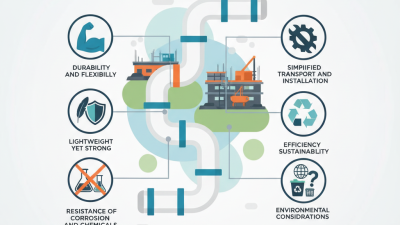
2026 Best Plastic Pipe Options for Your Projects?
In the evolving world of construction, selecting the right materials can make or break a project. Plastic pipes have gained immense popularity for their versatility and durability. Leading plastic pipe expert, Dr. John Miller states, “The choice of pipe material directly affects the efficiency of any infrastructure.”
Plastic pipes offer various benefits, such as resistance to corrosion and lightweight handling. They are often easier to install than traditional metal pipes. However, not all plastic pipes are created equal. The market offers many options, causing confusion among professionals. Choosing the wrong type could lead to future leaks or system failures.
Understanding the different types and characteristics of plastic pipes is essential. Some may not stand the test of time or temperature changes. It’s vital to assess project needs and constraints before deciding. Each project requires careful consideration, as the right plastic pipe can enhance longevity and performance.
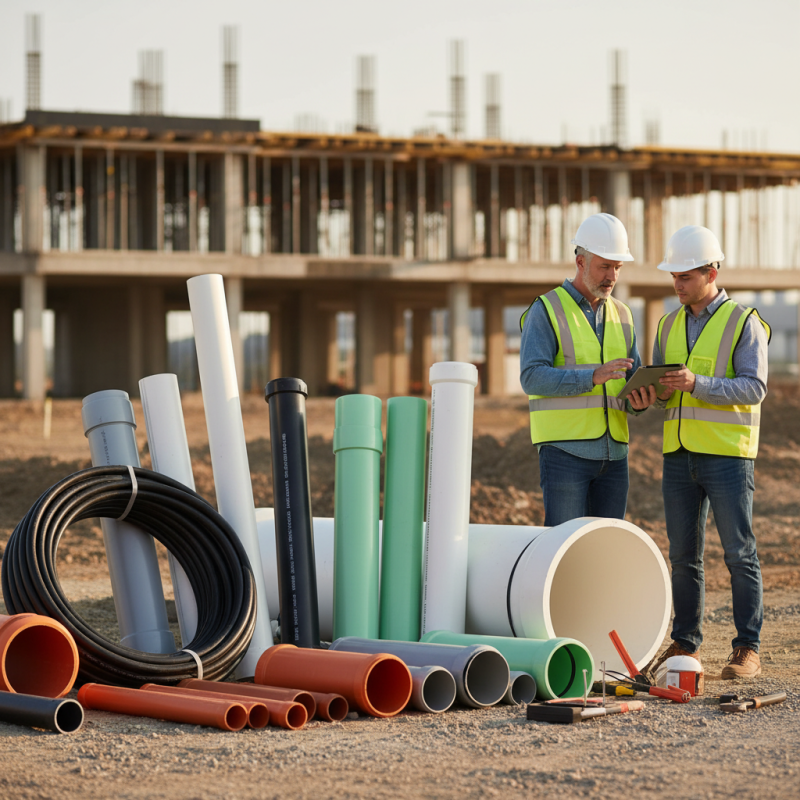
Overview of Plastic Pipe Materials and Their Applications
In the construction industry, plastic pipes are a popular choice due to their versatility. They come in various materials, each suited to different applications. For example, PVC (polyvinyl chloride) pipes are widely used for residential plumbing. They are lightweight and resistant to corrosion, making them ideal for water distribution systems.
PE (polyethylene) pipes are another valuable option. They are flexible and can handle high-pressure applications. Data from the Plastics Pipe Institute indicates that the market for PE pipes is projected to grow by 5% annually until 2025. This growth reflects their importance in infrastructure projects, particularly in gas distribution and irrigation.
However, there are challenges. Not all materials are sustainable. Manufacturers face pressure to improve recyclability. The introduction of bio-based options could offer a solution, but they need widespread acceptance. Industry reports suggest that education on the life cycle of each material is crucial. Balancing performance with environmental impact remains a point of reflection for decision-makers.
Key Factors to Consider When Choosing Plastic Pipes
When selecting plastic pipes for your projects, consider several key factors. The material type greatly influences durability and application. For instance, PVC pipes are popular for drainage. Meanwhile, CPVC can handle higher temperatures, suitable for hot water. According to industry reports, the global plastic pipes market is expected to reach $55 billion by 2027, highlighting the growing demand and options available.
Also, evaluate the pipe's resistance to chemicals and environmental factors. Not all plastic pipes are created equal. Some can degrade under UV exposure. Flexibility can be crucial depending on your installation site. PEX pipes offer flexibility for intricate layouts, making them ideal for residential plumbing.
Tip: Always check local codes before installation. Some projects require specific materials. This can save time and prevent costly rework. Consider the long-term implications of your choices. While cheaper options may tempt you, durability is key. Investing now can prevent future headaches. Remember to consult industry data for the best materials suited to your needs.
2026 Best Plastic Pipe Options for Your Projects
| Pipe Type |
Material |
Diameter (inches) |
Pressure Rating (PSI) |
Temperature Range (°F) |
Applications |
| PVC |
Polyvinyl Chloride |
0.5 - 12 |
200 |
32 - 140 |
Water Distribution, Drainage |
| CPVC |
Chlorinated Polyvinyl Chloride |
0.5 - 10 |
400 |
40 - 180 |
Hot Water Supply, Chemical Processing |
| PE |
Polyethylene |
0.5 - 24 |
160 |
-40 - 140 |
Gas Distribution, Water Lines |
| PEX |
Cross-Linked Polyethylene |
3/8 - 1 |
160 |
32 - 200 |
Radiant Heating, Plumbing |
| PVDF |
Polyvinylidene Fluoride |
1 - 6 |
230 |
-40 - 300 |
Chemical Handling, Aerospace |
Comparison of Popular Plastic Pipe Types: PVC, CPVC, and PEX
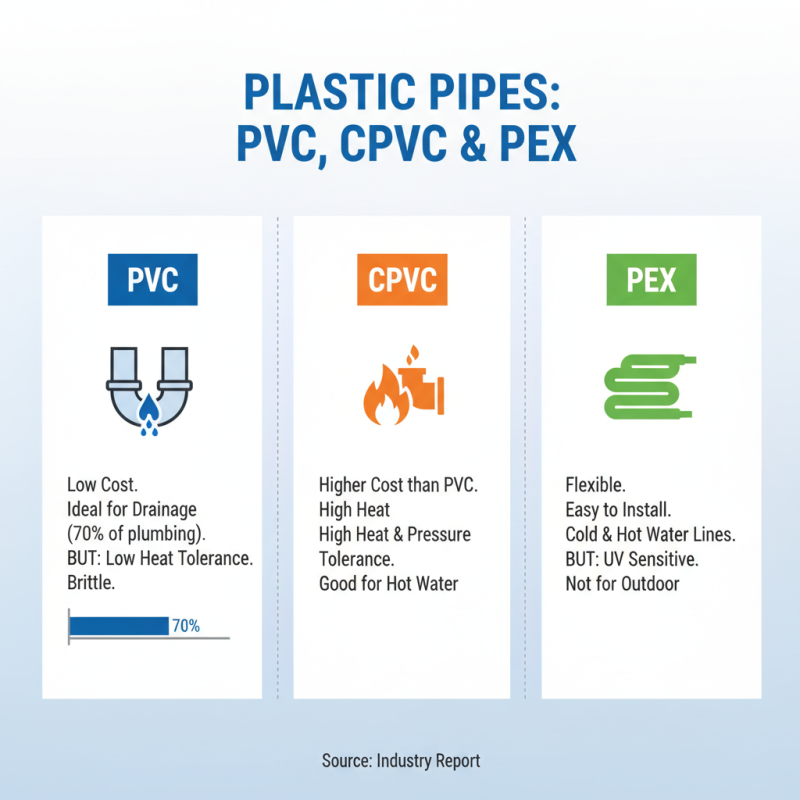
When choosing plastic pipes for projects, PVC, CPVC, and PEX stand out. PVC, known for its low cost, is ideal for drainage but can’t withstand high temperatures. A report indicates that nearly 70% of plumbing systems utilize PVC for this reason. However, it can be brittle under stress, leading to cracks.
CPVC offers better heat resistance. It's suitable for hot water lines, maintaining structural integrity. Look for systems that specify heat ratings, as they can handle temperatures over 200°F. Yet, installation challenges arise. It requires more fittings, potentially increasing costs and labor.
PEX has gained popularity due to its flexibility. It reduces the need for joints, minimizing leak points. A significant study shows that homes with PEX could save up to 30% on water heating costs. However, it isn't UV resistant, making it unsuitable for outdoor applications. Pay attention to installation environments for optimal performance.
Tips: Always consider the environment where pipes will be used. Evaluate heat and pressure ratings for each type. Consult with professionals for tailored advice.
Installation Techniques for Different Plastic Pipe Options
When it comes to installing plastic pipes, the technique can vary significantly based on the type of pipe you choose. For example, PVC pipes are commonly used in plumbing systems. They require precise cutting and dry-fitting. Using a primer and cement helps to adhere the joints effectively. However, many beginners struggle with applying the right amount of adhesive. This can lead to leaks later.
On the other hand, PEX pipes are much more forgiving. They are flexible and can be easily snaked through walls. Connections can be made using crimp rings or clamp techniques. However, some may find it challenging to ensure a secure fit at connections. Improperly operated crimp tools can result in weak seals, which can fail over time.
Ultimately, installation should not be rushed. Take your time to measure accurately and double-check connections. Mistakes in the process might result in significant issues down the road. It’s wise to practice on scrap pieces before tackling a full project. Each method has its merits, but understanding the installation nuances is key to success.
2026 Best Plastic Pipe Options - Installation Techniques
This bar chart illustrates the installation difficulty ratings for various plastic pipe options in the year 2026. A lower rating indicates easier installation, making choices like PEX preferable for quick setups, while options like PP may present more challenges.
Future Trends in Plastic Pipe Technology and Sustainability
The landscape of plastic pipe technology is evolving rapidly. Recent studies indicate a notable shift towards sustainable materials in pipe production. According to the Plastic Pipe and Fittings Association, nearly 8 million tons of plastic are recycled every year in the U.S. alone. This trend highlights the growing emphasis on eco-friendly practices in manufacturing.
Innovations such as bio-based plastics are gaining traction. These materials reduce the reliance on fossil fuels. Reports predict that by 2026, the demand for such sustainable pipes will increase by approximately 15%. However, challenges remain. Recycling rates vary significantly across regions. Some areas still struggle with infrastructure to support this shift.
Not all plastic pipes are created equal. Quality and longevity are critical factors for projects. Sustainability must be balanced with functionality. Careful selection of materials is essential. The market needs to respond to these demands, ensuring the right choices are available for future projects. Environmental impact and performance are at the forefront of industry discussions. The urgency for better solutions is palpable.