What is a Canopy Tent and How to Choose the Best One?
A Canopy Tent serves as a versatile shelter, perfect for outdoor events. Its applications range from family gatherings to festivals, providing shade and protection from rain. According to the Outdoor Industry Association, more than 50% of Americans participated in outdoor activities in 2022. This shows a growing demand for reliable outdoor gear.
Choosing the right Canopy Tent can be overwhelming. With various sizes, materials, and features, it's crucial to understand what fits your needs. Reports indicate that 65% of consumers prioritize durability and ease of setup. Yet, many overlook factors like weight and portability, potentially leading to dissatisfaction during use.
Investing in a quality Canopy Tent can enhance your outdoor experience. However, it's essential to consider both short-term needs and long-term durability. Balancing cost with quality is challenging. Some tents may seem affordable but sacrifice reliability. Remember, choosing wisely can make a significant difference during your event.
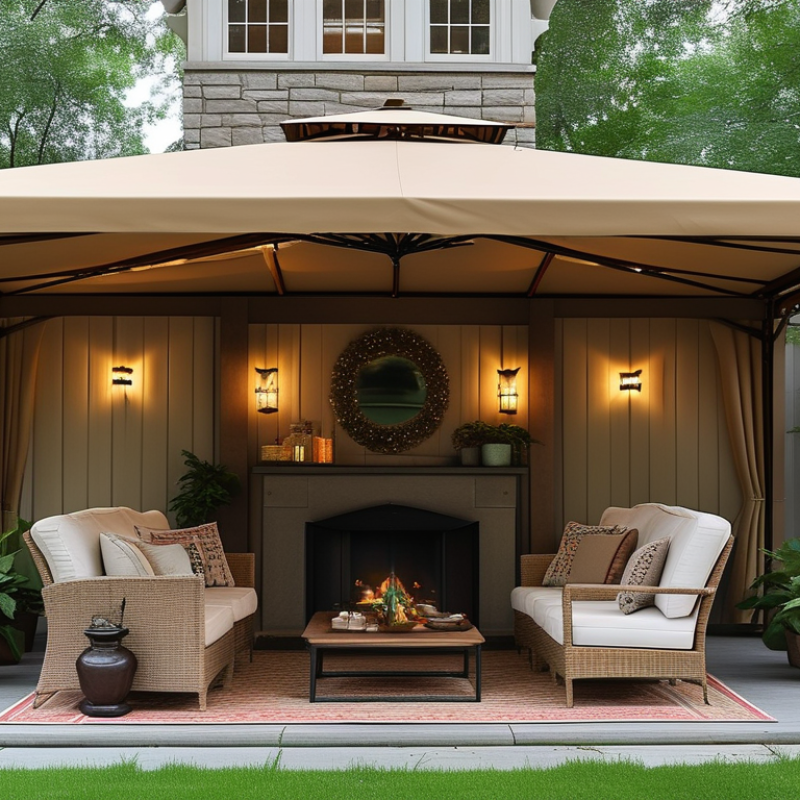
What is a Canopy Tent?
A canopy tent is a versatile outdoor structure designed to provide shelter and shade. These tents are popular for various events, including parties, weddings, and outdoor markets. They typically feature a frame covered by fabric, creating a sheltered area. When looking for a canopy tent, consider its purpose and your specific needs.
The materials used in the tent's construction are important. A sturdy frame, usually made from metal or high-quality plastic, ensures stability. The fabric should be waterproof and UV-resistant. Ease of setup and takedown is another key factor. Some tents come with pop-up designs, making them quick and user-friendly.
Consider the size of the tent as well. Measure your space to ensure a good fit. A common mistake is choosing a tent that's too small for your guests or equipment. Analyze where you will use the tent. Windy areas require stronger models. Pay attention to details like the weight and portability, especially if you plan to transport it regularly.
Finding the right canopy tent can make or break your outdoor experience.
Types of Canopy Tents and Their Uses
Canopy tents come in various types, each serving specific purposes. Event canopies, often seen at outdoor weddings or festivals, provide shade and shelter. They are larger and can accommodate more people. Instant canopies are easy to set up and take down. These are perfect for trade shows or tailgates where convenience matters most.
When choosing a canopy tent, consider the material. A durable fabric is essential for protecting against rain and UV rays. Look for tents with reinforced seams for added strength. Weight is another factor. Heavier tents offer stability in windy conditions. However, lighter options are easier to transport.
Tip: Always check the weather forecast. This can influence your choice of canopy type. For windy days, opt for a sturdier design. Comparing the sizes is crucial too. A larger tent may seem appealing but can be cumbersome. Ensure there’s enough space for setup and take-down. Remember, not all tents are created equal, and selecting the right one can be a challenge. Listen to reviews and experiences from others. These insights can guide you in making a decision.
Key Features to Consider When Choosing a Canopy Tent
When selecting a canopy tent, focus on the key features that meet your needs. Size is crucial. Consider how many people you want to accommodate. A larger canopy will offer more comfort, while a smaller one is easier to transport. Height is also important. Some events may require a taller tent for better ventilation.
Material matters too. Look for durable fabrics that resist water and UV rays. This will ensure longevity during outdoor use. Weight is another factor. Heavier canopies may provide stability in windy conditions but can be harder to carry. Think about your specific use case. If you plan on traveling, a lighter option might be best.
Don’t forget about setup. Some tents come with easy pop-up features, which save time. Others require more assembly, which might be frustrating. Assess your own skills and preferences here. Finally, consider the price. A good tent might be an investment, but it should align with your budget and needs. Each feature plays a role in your final choice. That’s worth reflecting on as you make your decision.
Size and Capacity: Finding the Right Fit for Your Needs
Choosing the right size and capacity for a canopy tent is crucial. The tent should match your intended activities and number of users. For instance, a 10x10 feet tent often accommodates 4-6 people comfortably. For larger gatherings or events, consider 20x20 feet options which can fit 20-30 guests effectively. According to the American Society of Landscape Architects, the desired tent size may vary based on seating arrangements, such as banquet or theater style, requiring different space allocations.
Understanding your needs goes beyond just numbers. The weight of the tent is also significant. A lighter tent, while easier to transport, may not withstand strong winds. A report from the Outdoor Industry Association indicates that durability should be a priority, as weather conditions can dramatically impact tent performance. Additionally, users sometimes overlook the need for headroom; a tent that's too low can feel cramped and uncomfortable.
Lastly, reflect on your specific circumstances. Are you planning a casual family picnic or a formal event? The event type influences capacity and size. A survey showed that 44% of participants regret not considering future use when purchasing a tent. It’s wise to plan for potential growth in guest numbers. Choose wisely; comfort and space matter as much as the tent's material!
Tips for Maintaining and Storing Your Canopy Tent
Maintaining a canopy tent is essential for ensuring its longevity. After every use, inspect the tent for any damages. Look for tears or worn areas. Clean the tent before storing it. A soft brush or cloth can help remove dirt and debris. Avoid using harsh chemicals that may damage the fabric. Make sure to dry the tent completely to prevent mold growth.
When it comes to storage, choose a cool, dry place. A temperature-controlled environment is ideal. Fold the tent carefully to prevent creases. Use a storage bag that allows air circulation. This helps keep the fabric fresh. Avoid stacking heavy items on top, as this can cause unnecessary pressure and damage.
Regular maintenance is a learning process. Each season brings different challenges. Pay attention to wear and tear. You might find areas that need reinforcement. Sometimes, you may overlook small issues until they become larger problems. Stay proactive and attentive to your canopy tent's needs, and it will serve you well for many events to come.
Canopy Tent Usage by Occasion
