
Request A Quote

Phone: 416-244-6476
Email:

    How to Choose a Top China Explosion Proof Box Supplier?

    Choosing a reliable China Explosion Proof Box supplier requires more than comparing prices or polished product photos. The enclosure may sit beside pumps, mixers, or dusty grain conveyors, where heat, impact, moisture, and flammable atmospheres create different risks. An Explosion Proof Box should be assessed against its intended hazardous-area classification, temperature rating, ingress protection, materials, and installation conditions. It does not make an unsafe system safe by itself.

    Market evidence shows why supplier selection deserves careful attention. MarketsandMarkets’ 2023 Explosion-Proof Equipment Market report estimated the global market at approximately USD 8.7 billion, with continued growth driven by oil and gas, chemicals, mining, and manufacturing. Fortune Business Insights also identifies industrial safety upgrades and stricter risk controls as important market drivers. These reports indicate demand, not automatic quality. A large market still contains inconsistent manufacturing practices.

    Look beyond certificates on a website. Ask for current test documentation, serial-number traceability, production inspection records, and clear references to IEC 60079 requirements or applicable regional schemes. IECEx certification, when relevant, can support international confidence, but the certificate must match the exact model, protection concept, gas or dust group, and temperature class. Experienced buyers also inspect gasket compression, cable-entry design, fastener quality, and coating thickness. Small details matter.

    Visit the factory if possible. Watch how enclosures are machined, sealed, tested, and packed. Request samples before approving volume orders. One imperfect point deserves reflection: supplier claims can sound technical while hiding weak after-sales support. A dependable partner explains limitations, accepts corrective feedback, and provides consistent records. The best China supplier is not merely the cheapest. It is the one whose engineering evidence remains credible after delivery, installation, and years of service.
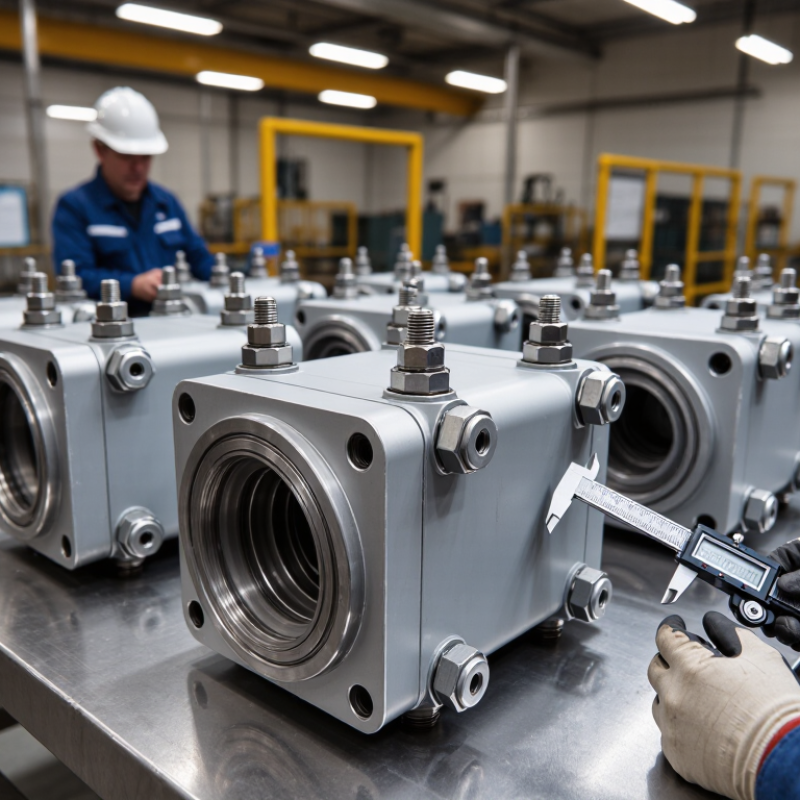
    How to Choose a Top China Explosion Proof Box Supplier?

    What Is an Explosion-Proof Box and Where Is It Used?

    An explosion-proof box is a protective enclosure for electrical equipment used where flammable gas, vapor, dust, or fibers may exist. It limits ignition risks from sparks, hot surfaces, and internal faults. The enclosure can contain a small internal explosion and cool escaping gases through carefully engineered joints. It is not bombproof. That distinction matters.

    These boxes appear in chemical processing areas, fuel handling facilities, grain plants, mines, paint workshops, and battery charging rooms. Typical contents include terminals, switches, relays, sensors, and control devices. Selection depends on the hazard type, temperature class, enclosure material, corrosion exposure, and required ingress protection. A stainless-steel box may suit coastal humidity, while coated aluminum can reduce weight. Dust protection also requires correctly sealed cable entries.

    When comparing a China explosion-proof box supplier, request current test reports, certification details, dimensional drawings, and material records. Check whether the supplier explains installation limits instead of making broad safety claims. A careful supplier should identify compatible cable glands, grounding points, gasket materials, and maintenance intervals. Small omissions can create serious installation problems. I have found that documentation is often less impressive than the enclosure itself. Ask for sample inspection photos, traceable components, and evidence of routine quality checks. The final choice should match the site classification and local engineering requirements, not merely a low quotation.

    Which Safety Standards Should a Chinese Supplier Meet?

    How to Choose a Top China Explosion Proof Box Supplier?

    A reliable Chinese supplier should identify the exact hazardous-area requirements before quoting an explosion proof box. Ask whether the product follows GB/T 3836, China’s main series for explosive atmospheres. For international projects, request evidence of conformity with the relevant IEC 60079 requirements. ATEX or IECEx documentation may also be necessary, depending on the installation country and project specifications. Do not accept a general “explosion proof” statement.

    Check the protection method carefully. The certificate should state the equipment protection level, gas or dust group, temperature class, and permitted ambient temperature. For example, a box used near combustible dust needs different protection from one installed beside flammable gas. The enclosure should also show a suitable IP rating, corrosion-resistant material, certified cable glands, and reliable earthing points.

    Small details matter. A weak gasket can defeat an otherwise sound enclosure.

    Ask for the original certificate, test report, product drawings, and marking photographs. Verify that the certificate model matches the delivered box, not merely a similar product. Factory quality systems, traceable components, and routine inspection records add practical confidence. A recognized laboratory should issue the relevant test evidence.

    Still, paperwork is not everything. Supplier communication can reveal gaps. If engineers cannot explain flame paths, fastener torque, or temperature limits clearly, reconsider the purchase. Some specifications remain unclear until site conditions are reviewed, so a careful supplier should welcome technical questions and admit what requires confirmation.

    How to Evaluate Product Quality, Materials, and Certification

    How to Choose a Top China Explosion Proof Box Supplier?

    Product quality starts with traceable engineering, not appearance. Field inspections often reveal uneven casting, weak threads, and gaskets that harden early. Ask for material certificates and production records. Stainless steel 316L suits corrosive areas, while coated aluminum can reduce weight. Glass-filled polyamide may work for selected applications. Check the IP rating, impact rating, wall thickness, and sealing performance. A box marked IP66 should have test evidence, not only a printed label. The International Labour Organization estimated 2.78 million work-related deaths annually in its 2019 report. Small enclosure failures can contribute to much larger risks.

    Certification needs careful matching. Review IEC 60079-0 and IEC 60079-1 requirements, where applicable. Confirm the certificate number, protection method, gas or dust group, temperature class, ambient range, and approved cable entries. IECEx or other recognized certification should match the exact enclosure design. Do not accept a certificate for a similar model. That shortcut is risky. Manufacturing controls also matter. Look for serial-number traceability, routine pressure testing, dimensional inspection, and documented thermal-aging tests. A polished certificate is not proof of consistent production. I would still inspect samples, because paperwork can hide practical weaknesses.

    Tips: Request one complete technical file. Compare the nameplate with the certificate. Test the gasket after compression. Ask how rejected parts are controlled. If the supplier cannot explain these details clearly, reconsider the purchase.

    How to Choose a Top China Explosion Proof Box Supplier? - How to Evaluate Product Quality, Materials, and Certification

    Evaluation Dimension Reliable Technical Benchmark Evidence to Request from the Supplier Suggested Weight Assessment Notes
    Hazardous-area suitability The enclosure marking should match the intended gas, dust, zone, temperature class, and equipment protection level. Complete nameplate, product certificate, technical datasheet, and installation instructions. 20% Do not accept a general “explosion proof” claim without a specific protection marking and certificate scope.
    Certification validity Certification should be issued by an appropriately recognized conformity-assessment body and remain traceable to the exact product design. Certificate number, issuing body, applicable standards, model range, drawings, and certificate status. 15% Verify that the certificate covers the supplied enclosure, cable entries, windows, terminals, and accessories where applicable.
    Applicable standards Common international references include IEC 60079-0 for general requirements and relevant IEC 60079 protection-type standards. Latest test reports, standard editions, conformity documents, and quality-system records. 10% The standard and edition should be appropriate for the enclosure’s protection concept and target market.
    Enclosure material Typical options include stainless steel, aluminum alloy, coated steel, and reinforced engineering polymer; selection depends on corrosion, impact, temperature, and weight requirements. Material grade, thickness, coating system, flame-retardant rating where applicable, and material certificates. 10% Material claims should be supported by traceable documentation rather than appearance alone.
    Ingress protection The required IP rating should correspond to the installation environment; IP ratings are defined by IEC 60529. IP test report, gasket specification, door or cover design, cable-entry details, and production inspection records. 10% Check whether the tested configuration matches the actual supplied configuration, including cable glands and plugs.
    Mechanical strength The box should withstand the mechanical, impact, vibration, and mounting conditions specified for its certified design. Impact-test information, wall-thickness drawings, hinge and fastener specifications, and dimensional inspection records. 10% Inspect corners, hinges, threads, mounting feet, cover alignment, and fastener retention.
    Temperature performance The ambient temperature range and temperature class must be compatible with the site conditions and internal heat generation. Temperature-class marking, ambient-temperature limits, thermal calculations, and component derating data. 8% Evaluate both external ambient temperature and heat produced by installed electrical components.
    Corrosion resistance Material and surface treatment should suit humidity, salt spray, chemicals, and outdoor exposure at the installation site. Corrosion-test results, coating thickness records, surface-treatment process, and recommended service environment. 7% Stainless steel, coated metal, and polymeric materials provide different corrosion and maintenance characteristics.
    Manufacturing quality control A controlled process should include incoming-material inspection, dimensional checks, assembly inspection, sealing checks, and final traceability. Quality manual, inspection plan, calibration records, nonconformance process, batch records, and final inspection checklist. 5% Consistent documentation and batch traceability are stronger indicators than product photographs.
    Customization and engineering support Any modification affecting flame paths, wall thickness, entries, windows, terminals, or thermal behavior must be technically reviewed. Approved drawings, revision control, modification review, wiring layout, and confirmation of certification impact. 3% Avoid unauthorized drilling, machining, or component substitution after certification.
    Total recommended evaluation weight Use a documented supplier scorecard before commercial approval. All critical certification and safety evidence should be verified independently where possible. 100% Prioritize compliance and application suitability over price alone.

    How to Compare Manufacturing Capability, Customization, and Pricing

    Choosing a top China explosion proof box supplier requires more than checking a low online price. Manufacturing capability should be visible in the workshop. Ask about stainless steel grades, plate thickness, welding methods, sealing performance, and inspection equipment. Request factory photos, sample reports, and production records. A capable supplier can explain how each process protects the enclosure’s certified performance. Short answers deserve caution.

    Customization should begin with a technical drawing, not a sales promise. Confirm cable entries, window size, mounting holes, coating, operating temperature, and internal component space. Ask whether design changes require new testing or certification review. Check that certificates and test reports match your intended hazardous-area application and destination requirements. I have learned that small details matter. A misplaced gland can delay installation.

    Pricing needs a line-by-line comparison. Include tooling, prototypes, testing, packaging, shipping, spare parts, and after-sales support. Compare the same material, protection rating, certification scope, quantity, and delivery schedule. A cheaper quote may exclude essential inspection or documentation. I once focused too heavily on unit cost and overlooked engineering changes. That mistake was expensive. Reliable suppliers explain assumptions clearly and provide realistic lead times, even when the answer is inconvenient.

    What After-Sales Services Should a Reliable Supplier Provide?

    When choosing a top China explosion-proof box supplier, after-sales support deserves the same attention as enclosure design. MarketsandMarkets’ Explosion-Proof Equipment Market report projects growth from about USD 8.2 billion in 2023 to USD 11.5 billion by 2028. This expansion increases pressure on suppliers to maintain equipment after delivery, not merely sell it.

    A reliable supplier should provide installation guidance, wiring checks, and clear maintenance instructions. Technical staff should understand hazardous-area ratings, temperature classes, ingress protection, and certificate limits. Remote troubleshooting is useful, but it cannot replace an engineer who can inspect damaged seals or loose terminals. Response times should be written into the service agreement. Spare gaskets, cable glands, fasteners, and replacement covers should remain available for the expected operating life. Small parts can stop a production line.

    The supplier should also keep traceable records for serial numbers, test results, repairs, and replaced components. ISO’s 2023 ISO Survey recorded more than 1.2 million ISO 9001 certificates worldwide, showing how widely quality systems are used, though certification alone proves little about practical service. Ask for service cases, escalation contacts, and a realistic warranty process. A perfect promise sounds attractive. It may still fail under pressure. One overlooked detail is follow-up training after installation, especially when local maintenance teams change. Reliable support includes refresher training, inspection reminders, and honest advice when replacement is safer than repair.

    How to Choose a Top China Explosion Proof Box Supplier?

    Recommended After-Sales Service Evaluation Weighting

    A reliable explosion proof box supplier should provide more than product delivery. Buyers should assess technical support, spare-parts availability, response speed, warranty handling, documentation and training, and on-site service. The weighting below is a practical procurement evaluation model for comparing suppliers consistently; it is not a brand ranking or market-share statistic.