How to Choose the Right PVC Fittings for Your Project?
Selecting the right PVC fittings is crucial for any project. According to a 2022 market report, the PVC fittings market is expected to reach $14 billion by 2028, reflecting growing demand in construction and plumbing. Proper fittings ensure a reliable and efficient system, reducing potential leaks and failures.
PVC fittings come in various sizes and types. With numerous options, it may seem overwhelming for project planners. A study from the American Institute of Architects indicates that improper fitting choices can lead to costly repairs and project delays. Understanding the specific needs of your project is essential. Assess the pressure requirements and the environmental conditions of your installation site.
Choosing the correct fittings can significantly impact long-term performance. While PVC advantages include lightweight and corrosion resistance, attention to detail is necessary. A mismatch between fittings can compromise a project’s integrity. Seek advice from industry experts when needed. Balancing cost and quality can be challenging. The right choice pays off.
Understanding the Basics of PVC Fittings and Their Applications
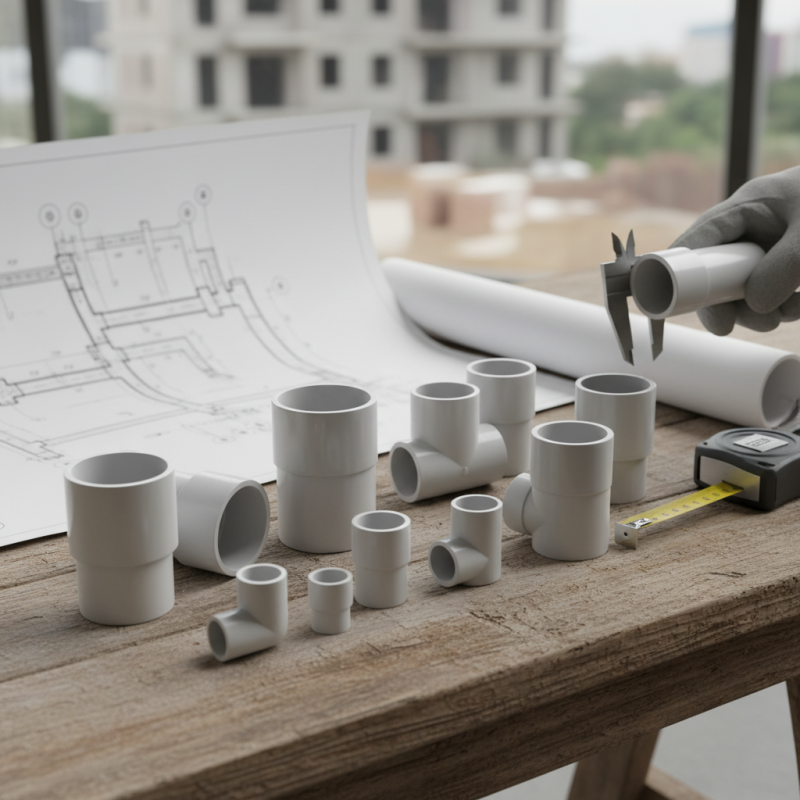
PVC fittings are integral components in various plumbing and construction projects. Understanding their types and applications is crucial before making any selection. These fittings come in different shapes, such as elbows, tees, and couplings. Each type serves a specific purpose in a piping system. For instance, elbows redirect flow, while tees split it. Knowing which fitting to use is essential for an efficient installation.
When choosing PVC fittings, consider the pressure requirements of your project. Not all fittings can handle high pressure or temperature. It's also vital to assess the chemical compatibility of PVC with substances it may contact. Using the wrong fitting can lead to leaks or failures. Sometimes, you may encounter poorly fitting joints. This can arise from cutting pipes inaccurately. Measuring twice and cutting once can save time and prevent headaches.
Moreover, installation can present challenges. Issues like misalignment or inadequate sealing can compromise the system. Pay attention to details like solvent cement application, as improper use can weaken the joints. Reflecting on past mistakes can enhance your understanding of PVC fittings. Consider documenting your installation experiences, as they can inform future projects. Analyzing these aspects fosters growth in this area.
Identifying the Different Types of PVC Fittings Available
When selecting PVC fittings for your project, understanding the various types available is crucial. PVC fittings come in different shapes and sizes, each designed for specific applications. Common types include elbows, tees, couplings, and adapters. According to a report from the Plastic Pipe and Fittings Association, the use of PVC fittings has grown by over 5% annually, reflecting their popularity in plumbing and construction.
Elbows allow for directional changes in piping, while tees enable branching of the pipe system. Couplings serve to connect two pipes together, ensuring a tight seal. Adapters are useful for connecting pipes of different diameters. A study by the American Society of Plumbing Engineers highlights that improper fitting selection can lead to leaks and pressure losses, costing homeowners significant repair expenses.
The material's durability and corrosion resistance make PVC fittings a reliable choice. However, the variety can be overwhelming. It's essential to assess your project's individual needs. Consider the pipe diameter and the intended application. Misalignment in these factors often leads to frustration. Accurate measurements and proper fitting types are vital for a successful installation. Always consider consulting with professionals to avoid costly mistakes.
How to Choose the Right PVC Fittings for Your Project? - Identifying the Different Types of PVC Fittings Available
| Type of PVC Fitting |
Description |
Common Applications |
Diameter Options |
| PVC Elbow |
Used to change the direction of piping. |
Water drainage, irrigation systems |
0.5" to 6" |
| PVC Tee |
Used to connect three sections of pipe. |
Water supply, HVAC systems |
0.5" to 8" |
| PVC Coupling |
Connects two pipes together. |
General plumbing, piping systems |
0.5" to 12" |
| PVC Cap |
Closes the end of a pipe. |
End of line plumbing, water containment |
0.5" to 6" |
| PVC Bushing |
Allows for size reduction when connecting pipes. |
Plumbing adaptation, irrigation |
0.5" to 4" |
Assessing Project Requirements: Size, Pressure, and Compatibility
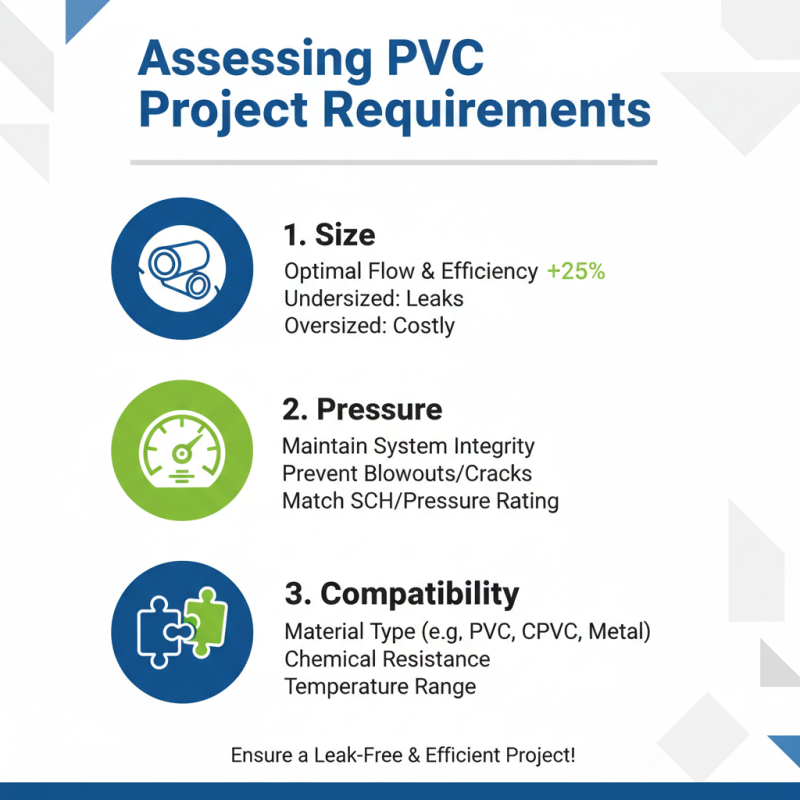
When selecting PVC fittings, understanding project requirements is crucial. Size is a primary consideration. The right diameter ensures optimal flow rates and prevents pressure loss. According to industry standards, proper sizing can enhance efficiency by up to 25%. An undersized fitting can lead to troublesome leaks. Conversely, oversized fittings may result in increased material costs without any tangible benefits.
Pressure ratings are another significant factor. Each fitting has a maximum pressure it can withstand. Selecting fittings that exceed your project's pressure demands is essential. Industry research indicates that improper pressure ratings contribute to nearly 30% of system failures. Once pressure ratings are confirmed, checking compatibility with existing materials is necessary. PVC fits smoothly with various plastics but may not work well with metal components. Compatibility issues can lead to costly repairs and downtime.
Finding the right fit can be confusing. Not every fitting will work perfectly for every application. Testing in real conditions can clarify performance expectations. Consider seeking expert advice when in doubt. Professional insights can streamline choices, ensuring each component meets project demands. A well-informed selection process reduces future regrets and enhances overall project success.
Evaluating Quality Standards and Certifications for PVC Fittings
When choosing PVC fittings for your project, understanding quality standards is crucial. Various organizations set guidelines to ensure safety and performance. For example, the American Society for Testing and Materials (ASTM) establishes standards for PVC materials. Fittings that meet these standards often have higher durability and resistance to harsh conditions.
Certifications, such as NSF/ANSI, indicate that fittings are safe for potable water systems. Reports indicate that fittings with these certifications have a 95% lower failure rate over five years. This statistic highlights the importance of selecting properly certified products. Non-certified fittings can fail unexpectedly, leading to costly repairs.
Tip: Look for third-party testing labels on PVC fittings. This ensures the product meets essential safety and performance criteria.
Be mindful of your project's specific needs. Not all PVC fittings are the same. For instance, some may be designed for cold water while others handle high-pressure systems. Selecting the right type is necessary to avoid issues down the line. Each project has unique requirements, so assess your situation thoroughly before making a choice.
Evaluating Quality Standards for PVC Fittings
Tips for Proper Installation and Maintenance of PVC Fittings
When installing PVC fittings, careful attention to detail ensures durable and reliable connections. Start with a clean workspace. Remove any dust or debris from the fitting surfaces. This simple step prevents leaks and ensures a stronger bond. Using the right solvent cement is crucial. Apply it evenly and liberally to both surfaces for an optimal seal.
Proper alignment of fittings is essential during installation. Misalignment can lead to stress points, which may cause future leaks. It’s wise to check every joint as you work. Allow sufficient curing time as instructed on the solvent cement label. Rushing this process invites mistakes.
Regular maintenance prolongs the life of your PVC system. Inspect joints and fittings periodically for signs of wear or damage. Small cracks can turn into larger problems if neglected. Keep spare fittings on hand for quick repairs. This proactive approach saves time and resources in the long run. Remember, even small oversights can lead to significant issues down the road.