Top 10 Tips for Choosing the Right PVC Pipework?
When selecting the right PVC pipework, understanding key factors is crucial. The global PVC pipes market was valued at $36.5 billion in 2020 and is projected to grow significantly. This growth reflects the increasing demand for durable and lightweight materials in construction and plumbing industries. PVC pipework is favored for its versatility and longevity, making it a popular choice for various applications.
However, not all PVC pipes are created equal. Choosing the right type involves considering pressure ratings, pipe sizes, and intended use. Industry reports indicate that improper selection leads to costly repairs and replacements. This often stems from inadequate research and understanding of product specifications.
Moreover, the advantages of PVC pipework can only be realized if the right selection is made. Buyers should assess their needs based on environmental conditions and project requirements. Failing to do so may lead to regrets and inefficiencies. It's essential to reflect on choices and seek expert advice when needed to ensure a reliable and effective plumbing solution.
Understanding PVC Pipework: Benefits and Applications
Understanding PVC pipework offers numerous benefits across various applications. PVC, or polyvinyl chloride, is a highly durable material that is resistant to corrosion. Industry reports show that over 60% of plumbing systems use PVC pipes due to their longevity and reliability. They perform well in both residential and commercial settings, making them versatile.
In addition to their strength, PVC pipes are lightweight and easy to install. This characteristic significantly reduces labor costs during installation. According to a study by the Plastic Pipe Institute, PVC pipe systems can last more than 50 years with minimal maintenance. These pipes are also affordable compared to alternatives like metal pipes. However, it's essential to consider the specific needs of your project. While PVC is great for many uses, it may not be suitable for high-temperature applications.
Moreover, while PVC pipes are highly effective, there are environmental concerns. The production of PVC can release harmful substances. This aspect leads to discussions about sustainability in the construction industry. Therefore, stakeholders must weigh durability against environmental impact when choosing materials. As the market evolves, finding solutions that lessen these concerns will be crucial for future applications.
Identifying Different Types of PVC Pipes and Their Specific Uses
When selecting PVC pipes, understanding different types is crucial. PVC pipes come in various schedules, such as
Schedule 40 and Schedule 80.
Schedule 40 pipes are widely used for drain, waste, and vent applications due to their cost-effectiveness.
Reports state that Schedule 40 pipes account for over 70% of the market for residential plumbing.
Their thinner walls make them easier to handle, but they may not withstand high pressure.
In contrast, Schedule 80 pipes have thicker walls, providing higher strength and durability.
This makes them suitable for industrial applications. According to industry experts, these pipes are recommended for
hazardous waste and high-temperature situations.
The specific use cases highlight the importance of choosing the right type based on your project needs.
For instance, the use of incorrect pipe types can lead to costly repairs and system failures.
Additionally, PVC pipe quality matters. Not all pipes meet ASTM standards. Choosing lower-quality options may save
money initially but can cause problems later. Research indicates that improper installation often leads to leaks and
diminished pipe lifespan. Evaluating product specifications is essential to avoid these pitfalls.
Understanding the uses and limitations of each type of PVC pipe can guide effective decision-making.
Evaluating Pipe Sizes and Diameters: A Practical Guide
When selecting the right PVC pipework, understanding pipe sizes and diameters is crucial. Diameter impacts flow rate and pressure. A pipe that’s too narrow can restrict flow, while one that’s excessively wide may lead to inefficient systems. For residential plumbing, common diameters range from 1/2 inch to 2 inches. For larger projects, like irrigation, 3 to 6 inches may be necessary.
Measuring accurately is essential. Mistakes can lead to costly errors and project delays. Always double-check your measurements. Consider the application as well. For water supply, thicker walls are often recommended. They provide better pressure handling. Unsuitable choices may not only cause leaks but also reduce system lifespan.
Additionally, think about installation ease. Larger or heavier pipes may require special tools and more effort to maneuver. Evaluate your comfort level with DIY projects. Sometimes, consulting a professional can help clarify confusing aspects. It may add to costs upfront, but it can save you from tremendous hassles later.
Assessing Quality Standards and Certifications for PVC Pipes
When selecting PVC pipes, quality standards and certifications are vital. Various organizations set these criteria, ensuring safety and performance. The American Society for Testing and Materials (ASTM) provides guidelines that guarantee durability. They define metrics like impact resistance and tensile strength, essential for reliable pipework.
Research underscores the significance of certification. A study by the Plastics Pipe Institute shows that certified pipes reduce system failures by over 30%. This highlights the importance of choosing PVC pipes that meet industry standards. Quality certifications verify compliance, reassuring you of a product’s lifespan and functionality.
However, not all pipes are created equal. Some manufacturers may comply with basic standards while skipping additional tests vital for specific applications. Always verify the certifications. Look for third-party testing to ensure the pipes will withstand local conditions. Every detail matters, especially in long-term installations. Understanding these criteria equips you with the knowledge to make informed choices.
Considering Installation Methods and Maintenance Requirements
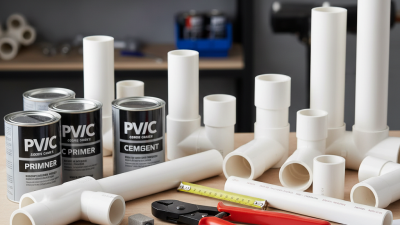
When choosing PVC pipework, understanding installation methods is crucial. Proper installation ensures longevity and prevents costly repairs. Consider factors like pipe size, pressure ratings, and environmental conditions. Use the correct joining techniques, whether solvent welding or mechanical fittings. Improper connections can lead to leaks, undermining the system's integrity.
Maintenance requirements should also be a priority. Regular inspections can catch issues early. Look for signs of wear, including discoloration or cracks. Cleaning the pipes periodically helps maintain flow and prevents clogs. Make sure you have access to all parts of the system for easy maintenance. It’s important to adhere to local codes and guidelines, as these can vary significantly. Sometimes, ignoring these aspects can lead to unforeseen complications later on.