How to Choose the Best PVC Well Casing for Your Project?
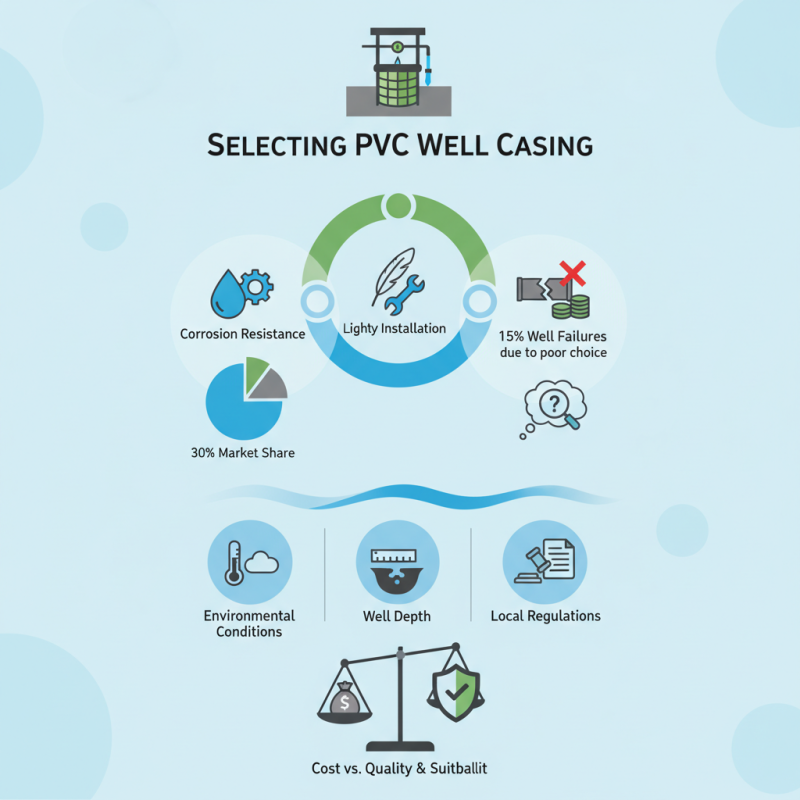
When selecting the best PVC well casing for your project, it's vital to consider various factors that impact long-term performance. The use of PVC casing has grown significantly, accounting for nearly 30% of the total well casing market, as reported by the National Ground Water Association. This choice is favored for its resistance to corrosion, lightweight nature, and ease of installation.
However, not every PVC well casing is created equal. Quality can vary significantly between manufacturers. Some sources highlight that improper selection may lead to costly repairs and reduced efficiency. Studies suggest that nearly 15% of well failures are linked to inadequate casing choices. Understanding these nuances will ensure you choose a product that meets industry standards and withstands environmental challenges.
The importance of thorough research cannot be overstated. Not all applications will benefit from the same type of PVC well casing. Environmental conditions, well depth, and local regulations can all influence your choice. Relying solely on price may not yield the best results. Balancing cost with quality and suitability is essential in making an informed decision.
Understanding PVC Well Casing Types and Their Applications
When selecting PVC well casing, it's crucial to understand the various types available. Standard PVC well casing is widely used for shallow wells, offering good resistance to corrosion. Schedule 40 and Schedule 80 are common thicknesses. Schedule 80 has a thicker wall, providing more strength and durability for deeper wells. Each type serves different applications, and knowing their strengths helps you make the right choice.
Additionally, there are specific considerations when choosing PVC well casing. For instance, some projects may require more UV protection. Double-walled options can provide extra security in certain environments. The choice of size matters too; larger casings can accommodate more water flow. These elements can significantly affect your well's performance.
It's essential to reflect on your project's specific needs. Not all PVC well casings are created equal. Consider your local environment, as harsh conditions may necessitate stronger options. Consult experts if unsure. Their insights can guide your decision-making process and enhance the quality of your project.
Key Factors to Consider When Selecting PVC Well Casing
When selecting PVC well casing, several key factors must be considered to ensure success. First, the pipe's diameter is crucial. Most residential wells require a casing diameter between 4 to 6 inches. The right size impacts water flow and maintenance. If the casing is too large, it may lead to unnecessary costs without improving efficiency.
Another factor is the casing’s wall thickness. Industry standards recommend a minimum thickness of 0.30 inches for durability. Thicker casings resist deformation and are less likely to fracture. According to a 2022 report by the Water Well Technology Association, 30% of well failures are attributed to inadequate casing strength. This statistic underlines the importance of choosing a robust product.
Environmental factors should not be overlooked. PVC well casings must withstand various soil and water conditions. In areas with high salinity, corrosion can occur. While PVC is resistant to many forms of corrosion, prolonged exposure in certain environments can lead to unexpected issues. Regular inspections and maintenance can address these risks, ensuring long-term functionality. Understanding these elements can help guide the selection process effectively.
Evaluating the Diameter and Length Requirements for Your Well
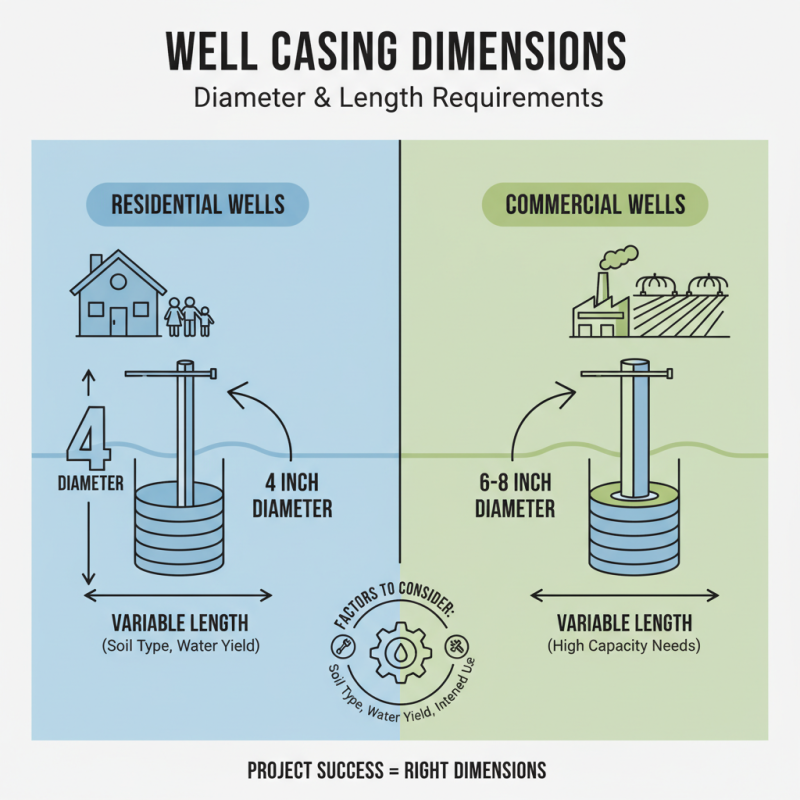
Choosing the right diameter and length for your PVC well casing is crucial for project success. The well's intended use often dictates its required dimensions. A general rule of thumb suggests a casing diameter of 4 inches for residential wells and 6–8 inches for commercial applications. However, specific factors such as soil type and water yield need consideration too.
Length is equally important in ensuring stability and function. Standard lengths range from 10 to 20 feet. The depth of the water table can influence this choice. For instance, if the water table fluctuates, a longer casing may be necessary to provide reliable access to water year-round. Furthermore, data from the Ground Water Association indicate that 55% of well failures result from incorrect casing dimensions.
It’s essential to reflect on site conditions. If you're drilling in unstable soil, a thicker wall casing may be needed. Similarly, areas prone to contamination might require enhanced sealing measures, further complicating your choices. Miscalculating dimensions can lead to costly repairs and operational inefficiencies, emphasizing the need for thorough evaluation before making a decision.
Assessing UV Resistance and Durability of PVC Well Casing
When selecting PVC well casing, UV resistance and durability are key factors. Poor UV resistance can lead to degradation over time. Look for PVC that has been treated to withstand sunlight exposure. This treatment enhances the material's longevity. Tests can indicate how long the casing will last under constant UV light.
Durability is equally important. It determines how well the casing can resist physical damage and environmental stresses. Many factors influence durability, including thickness and manufacturing quality. Regular inspections can reveal signs of wear or potential failure. Relying solely on manufacturer claims may not provide a full picture. Understanding regional conditions can help in selecting the right casing.
Keep in mind that not all PVC products are created equal. It's essential to recognize your specific needs and challenges. While some may excel in UV resistance, others might falter in harsh climates. Consider your project's unique environment before making a decision. Reflecting on past experiences can guide your choice to find the best fit.
Cost Analysis and Budget Considerations for PVC Well Casing Selection
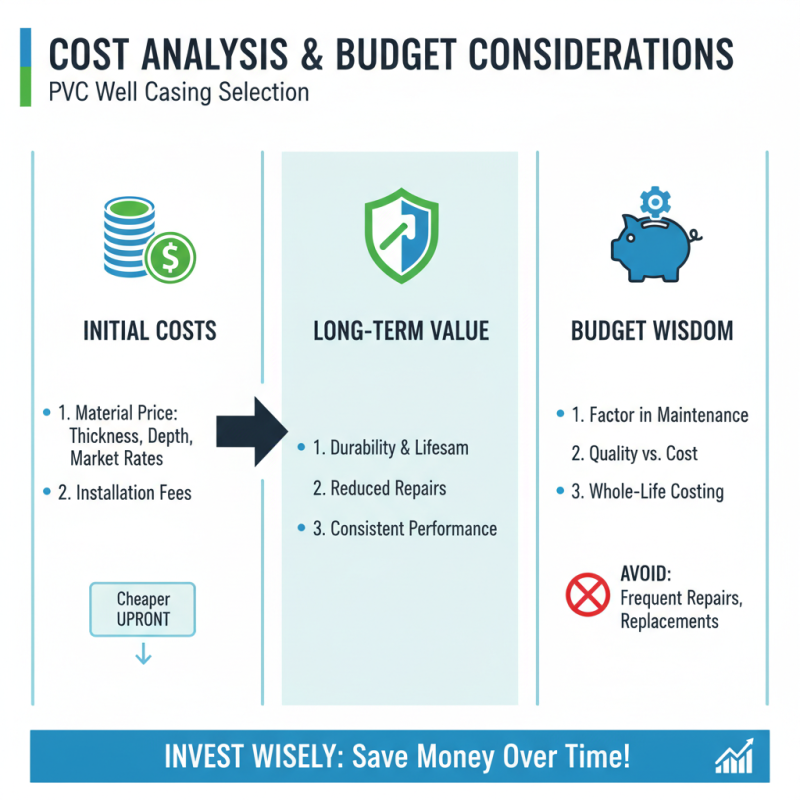
When selecting PVC well casing, cost analysis is crucial. The price of materials can vary significantly based on thickness, depth, and local market rates. Budget considerations should include not only the initial material costs but also long-term maintenance expenses. Cheaper options may seem appealing but can lead to higher costs over time due to repairs or replacements.
It's important to understand that while high-quality PVC casing can be pricier, it often offers better durability. This can prevent costly issues later in your project. For instance, a thicker casing might resist pressure changes better. Factor in the installation costs as well. Hiring professionals may increase upfront expenses but can save you money in the long run. Always weigh all aspects before making your final decision.
Planning your budget involves anticipating future needs. Will the well be used for drinking water or irrigation? Each use case has different requirements and costs. Don't forget to account for any unexpected expenses. Consider obtaining multiple quotes for a detailed comparison. Each price could influence your overall budget differently. Balancing quality and cost is key in your selection process. Reflect on your choices to ensure they align with your project goals.