How to Choose the Right Sink Stopper for Your Needs?
Choosing the right Sink Stopper is crucial for every kitchen and bathroom. This simple device prevents water from draining away, allowing you to fill sinks conveniently. However, not all sink stoppers are created equal. With various styles and materials available, selecting one that suits your needs can feel overwhelming.
Understanding the unique features of sink stoppers is essential. Whether you need a rubber stopper for a casual setup or a sleek metal design for a modern look, each option has its merits. The right choice can enhance functionality and aesthetics in your space. Consider your sink's shape, size, and usage frequency when making your decision. Don't rush; taking time to reflect on your specific requirements will lead to better clarity.
Moreover, it's easy to overlook the importance of quality. Some might choose the most affordable option without considering durability. In the long run, an investment in a reliable, well-made sink stopper can save you from future headaches. Remember, functionality doesn't have to compromise style.
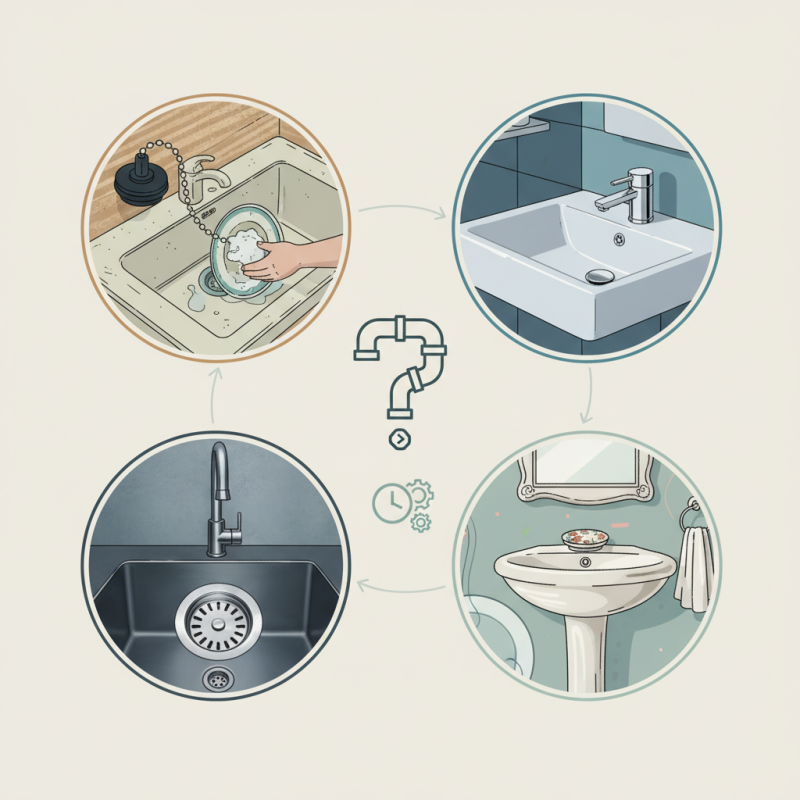
Understanding the Different Types of Sink Stoppers Available
When selecting a sink stopper, understanding the various types available is crucial. There are several distinct types, each serving unique functions. The most common types include rubber stoppers, pop-up stoppers, and basket strainers. According to industry reports, rubber stoppers are favored for their simplicity and versatility. They create a tight seal and are easy to use. Pop-up stoppers are popular for bathroom sinks, allowing water to drain effortlessly with a simple push. Meanwhile, basket strainers are ideal for kitchens, trapping food particles while permitting water flow.
Consider these tips when choosing a sink stopper. Evaluate your sink type and drainage needs. A rubber stopper suits occasional use, while a pop-up model offers convenience for daily tasks. For kitchens, a basket strainer is best for preventing clogs. Think about maintenance as well; some stoppers require more care. Regular cleaning can enhance their lifespan and efficiency. Poor choices may lead to leaks or functional failures.
In terms of materials, choose wisely. Many stoppers are plastic, but metal options offer durability. However, beware of corrosion issues with certain metals. A sink stopper's longevity often correlates with its material quality. According to a survey, 30% of users report issues due to improper stopper selection. This indicates the need for thoughtful decision-making in sink stopper purchases.
Factors to Consider When Choosing a Sink Stopper
Choosing the right sink stopper involves several key factors. The size and fit of the stopper is crucial. Measure your drain carefully to ensure a proper fit. A stopper that is too large or too small won't function effectively. Consider the material as well. Rubber and silicone stoppers provide flexibility, while metal options offer durability.
Think about how you use your sink. If you frequently need to drain water quickly, a pop-up stopper or a pull-out design may be ideal. For occasional use, a simple rubber stopper might suffice. Additionally, aesthetics matter. A stylish design can enhance your kitchen or bathroom's look. However, don’t forget about functionality over appearance.
An often-overlooked aspect is maintenance. Some stoppers are easier to clean than others. Clogged stoppers can lead to unpleasant odors or drainage issues. Take the time to think about cleaning routines. Lastly, reflect on your personal preferences. Your lifestyle should dictate your choice, not just trends or popular opinions.
How to Measure Your Sink for the Right Stopper Fit
Measuring your sink accurately is crucial for finding the right stopper. A good fit prevents leaks and enhances functionality. Start by removing any existing stopper. It helps to have a clean workspace. Use a tape measure for precision.
Measure the diameter of the drain opening first. Place the tape across the widest point. Record this measurement. Next, look at the type of sink you have. Is it a drop-in or an undermount? This affects the type of stopper needed. Check the depth of the drain, especially if you have a deeper sink.
Consider the shape of the opening as well. Some sinks have specific designs that require unique stoppers. Not all stoppers fit every sink shape. It’s worth taking time to ensure accuracy. A poorly fitting stopper can lead to frustrations down the line. When in doubt, consult guidelines from reputable sources for additional tips. They can offer insights based on experience. Taking these steps can make your selection process smoother.
Comparing Materials: Which Sink Stopper Material is Best?
When choosing a sink stopper, material is key. Each type offers unique benefits and drawbacks. Rubber is a popular choice. It provides a good seal and is easy to clean. However, it can degrade over time, losing its effectiveness. Metal stoppers, like brass or stainless steel, are durable and add a sleek look. They can withstand heat and resist stains, but they might be more expensive.
Silicone stoppers are flexible and create a solid seal, ideal for odd-shaped sinks. They come in various colors and are dishwasher-safe, making them practical. On the downside, they may not last as long as metal options. Glass stoppers are trendy and elegant, but they need careful handling to avoid breakage.
Ultimately, your choice should depend on your needs and kitchen style. Think about ease of maintenance and durability. Reflect on how often you cook and use the sink. Each material serves different purposes, so weigh your options carefully.
Sink Stopper Material Comparison
Maintenance Tips for Prolonging the Life of Your Sink Stopper
Caring for your sink stopper can enhance its lifespan and functionality. Regular cleaning is essential. Accumulated debris or hair can hinder its performance. Use warm, soapy water and a soft brush to clean the stopper properly. Avoid harsh chemicals that might cause damage.
Inspecting your sink stopper regularly is also crucial. Look for any signs of wear or rust. A damaged stopper may not seal effectively. Replacing it promptly can prevent bigger plumbing issues. If you notice persistent leaks, it might be time for a replacement.
Keep your sink's drain clear. Using a strainer can help catch food particles and prevent clogs. Even with care, stoppers can become brittle over time. It's important to be mindful of their condition. Without care, what seems like a minor issue can escalate quickly. Regular maintenance makes a big difference.
