Why Choosing the Right Water Well Pipe is Essential for Your Project?
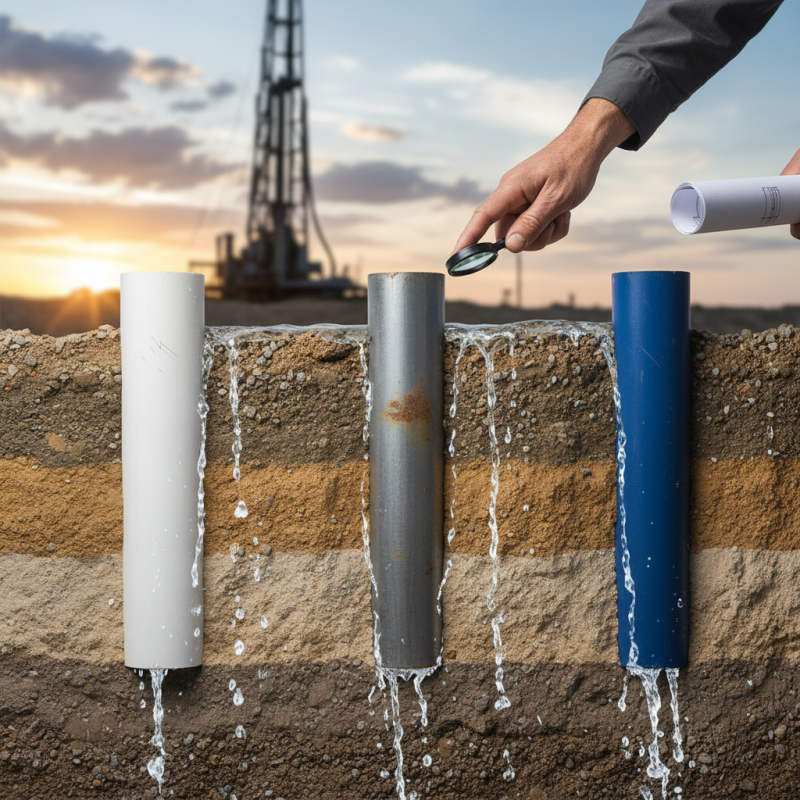
Choosing the right water well pipe is a critical decision in any drilling project. The material and design of the pipe can significantly impact both functionality and durability. A well-chosen water well pipe can withstand pressure and corrosion, ensuring a reliable water supply.
Many factors influence this choice, such as local soil conditions and water quality. Not every pipe fits every situation. For example, PVC pipes are popular for their lightweight nature but may not be suitable for all depths. Steel pipes are more robust but can be prone to rust.
Making the wrong choice can lead to costly repairs and project delays. Reflecting on past experiences can guide you towards better decisions. Ensuring expertise in selecting the right water well pipe can save time and resources in the long run.
Importance of Water Well Pipe Selection for Effective Water Supply
Selecting the right water well pipe is crucial for ensuring an effective water supply. Various types of pipes are available, like PVC, steel, and copper. Each has unique benefits and drawbacks. For instance, PVC is lightweight and resistant to corrosion, while steel is durable but prone to rust. The choice of material impacts both long-term performance and maintenance needs.
When installing a water well, consider the depth and water quality. Deeper wells may require stronger materials to withstand pressure. Additionally, certain soil types can corrode pipes more quickly. Different environments dictate different requirements, so knowing your specific conditions is key.
Tips: Always consult with a knowledgeable professional before making your final choice. Consider the local regulations about well installations, as they may dictate certain materials or sizes. Regularly inspect pipes for signs of wear. Neglecting this can lead to expensive repairs later on. Your project’s success hinges on making informed decisions early in the process.
Why Choosing the Right Water Well Pipe is Essential for Your Project?
| Pipe Material |
Durability (Years) |
Corrosion Resistance |
Cost per Foot (USD) |
Best Use Case |
| PVC |
25 |
High |
$0.50 |
Residential Wells |
| Steel |
15 |
Medium |
$1.50 |
Commercial Wells |
| Polyethylene |
20 |
Very High |
$1.00 |
Irrigation Systems |
| Fiberglass |
30 |
Excellent |
$2.00 |
Deep Wells |
| Concrete |
50 |
High |
$3.00 |
Municipal Wells |
Types of Water Well Pipes: Materials and Their Pros and Cons
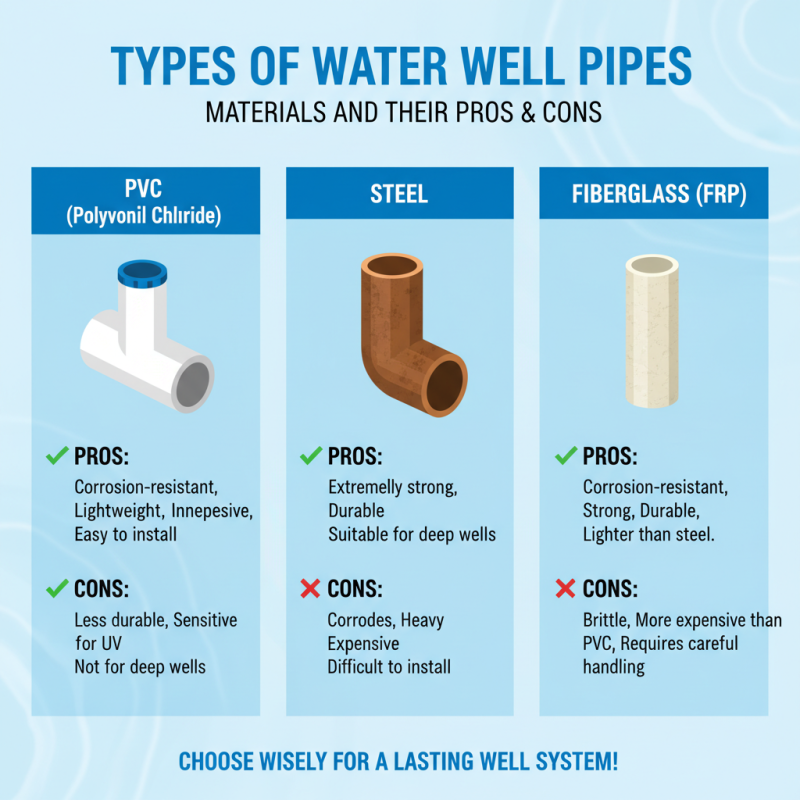
When selecting a water well pipe, understanding the types and materials is crucial. The common options include PVC, steel, and fiberglass. Each material has its unique properties, which can impact the efficiency and lifespan of your well system.
PVC pipes are lightweight and resistant to corrosion. This makes them popular for many projects. However, they have limitations in high-pressure situations. Steel pipes are sturdy and durable, offering better performance in various conditions. They can withstand extreme temperatures but are prone to rust over time. Fiberglass pipes combine strength with resistance to chemicals. Yet, they can be more expensive.
Choosing the right material isn't straightforward. Consider your project’s specific needs. Think about environmental factors, budget, and installation challenges. The wrong choice can lead to costly repairs or reduced efficiency. Take the time to weigh the pros and cons of each type of pipe. This decision impacts the well's long-term performance.
Factors to Consider When Choosing Water Well Pipes
When selecting water well pipes, several critical factors demand attention. The pipe material is vital. Common choices include PVC, steel, and polyethylene. PVC pipes are lightweight and corrosion-resistant. However, they may not withstand high temperatures. Steel pipes, while durable, are prone to rust if not properly coated. Polyethylene pipes resist corrosion and are flexible, making them suitable for various applications.
Another factor to consider is the pipe diameter. A Report from the National Ground Water Association indicates that the right diameter can significantly affect the flow rate. A larger diameter can improve water flow, but it may increase installation costs. Moreover, the depth of the well influences your choice. Deeper wells may require stronger, more durable materials to withstand pressure.
The installation environment also plays a key role. Soil conditions can affect pipe durability. For instance, sandy soils may require special casing to prevent collapse. In areas with high levels of groundwater contamination, selecting appropriate materials becomes critical. Understanding local regulations and material specifications is essential. Ensuring compliance can save future costs. Each decision impacts the longevity and efficiency of your water well system.
Factors to Consider When Choosing Water Well Pipes
Impact of Pipe Diameter on Well Performance and Water Flow
The diameter of water well pipes plays a crucial role in overall well performance and water flow. Research indicates that if the diameter is too small, the flow rate can be significantly limited. A pipe diameter of 4 inches, for instance, can yield about 20 gallons per minute. In contrast, a 6-inch diameter can yield up to 50 gallons per minute. This variance can dramatically impact the efficiency of water delivery for various applications.
However, selecting the right diameter isn't merely about maximizing flow. Oversized pipes may lead to unnecessary costs and logistical challenges. A larger diameter can mean higher installation costs and increased material use. There's a fine balance to strike; efficient water flow must align with budget considerations and project requirements.
In-depth studies have shown that well performance can diminish if the pipe does not align with pump specifications. Some estimates suggest that improper sizing can result in a 30% decrease in efficiency over time. Users must assess environmental conditions and available water supply. Inadequate assessment can lead to choices that require adjustments later, underscoring the importance of informed decision-making in this critical phase of construction.
Maintenance Tips for Longevity of Water Well Pipes
Maintaining water well pipes is critical for ensuring their longevity and efficiency. Regular inspections are essential. Check for any visible signs of wear or corrosion. If you notice any damage, addressing it immediately can prevent larger issues. Routine maintenance should include flushing out sediments that may build up over time. This process helps maintain water quality and pipe integrity.
Additionally, keep the area around the wellhead clean. Debris can introduce contaminants to the system. A clean environment reduces the risk of clogging and extends the lifespan of your pipes. Don’t forget to check the seals and gaskets, as these components can deteriorate. Replacing worn-out parts is a small effort for a large payoff in durability.
Be cautious with the installation of new pipes. Proper placement and alignment are crucial. Inadequate support can lead to misalignment and stress on the pipes. Also, consider seasonal changes. Freeze-thaw cycles can affect pipe integrity. Insulating pipes in colder months helps to avoid damage, ensuring a reliable water supply year-round.