Request A Quote

Phone: 416-244-6476
Email:

    10 Essential Tips for Working with PVC Pipework

    PVC pipework is a popular choice for many plumbing and construction projects. Its versatility and durability make it an essential material in various applications. However, working with PVC pipework does come with its challenges. Proper techniques and tips can significantly improve the installation process.

    Many people underestimate the importance of preparation. Having the right tools and materials is crucial. Neglecting this can lead to frustrating delays. Common mistakes, like improper cuts or poor connections, can arise during installation. These issues can affect the overall integrity of the project.

    Understanding the properties of PVC pipework is vital. It requires specific handling and installation methods. Awareness of common pitfalls can save time and resources. This article presents ten essential tips for effectively working with PVC pipework. Implementing these strategies can lead to a smoother experience and better results.
    10 Essential Tips for Working with PVC Pipework

    Importance of Selecting the Right PVC Pipe Type for Your Project

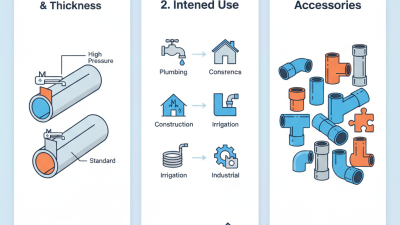
    Choosing the right PVC pipe type is crucial for any project. The variety available can be overwhelming. Each type of PVC offers unique features. Some are better for plumbing, while others excel in drainage systems. Consider your project's specific needs.

    Make sure to evaluate factors like pressure ratings and environmental conditions. For instance, not all PVC can withstand high temperatures. Some may become brittle in cold weather. Reflect on these details when making your selection. A misstep could lead to leaks or breakages later on.

    Before purchasing, verify the required codes for your project. Some areas have strict regulations on pipe types. This step is often overlooked. Spending time researching can save you money and effort. The right choice ensures a lasting solution. Rushing into a decision may lead to costly mistakes.
    Key Techniques for Cutting PVC Pipes Accurately and Safely

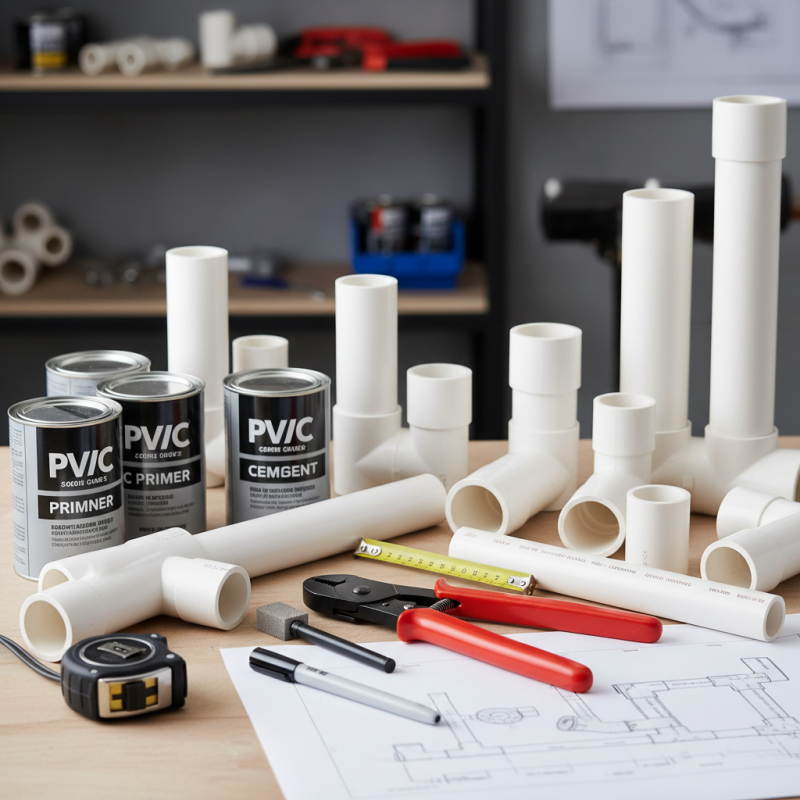
    Cutting PVC pipes accurately and safely requires attention to detail. Start by selecting the right tool for the job. A pipe cutter is ideal for clean cuts, while a hacksaw can also work. Make sure the pipe is secured in a vice to prevent it from slipping. This will help you make a steady cut.

    When measuring, always double-check your dimensions. Even a small mistake can lead to wasted material. Mark your cut clearly with a marker. Take your time and focus during the cutting process. Rushing can result in jagged edges or uneven lengths. If that happens, you might need to trim more off than planned.

    After cutting, smooth out the edges with sandpaper. This step is crucial to ensure proper fitting when connecting pipes. It’s okay to make mistakes; just learn from them. Each cut is a chance to improve your technique. Practice will help you gain confidence and precision in your work. Remember, safety is paramount. Always wear protective eyewear while cutting.

    Best Practices for Joining PVC Pipes: Adhesives and Solvent Welds

    10 Essential Tips for Working with PVC Pipework

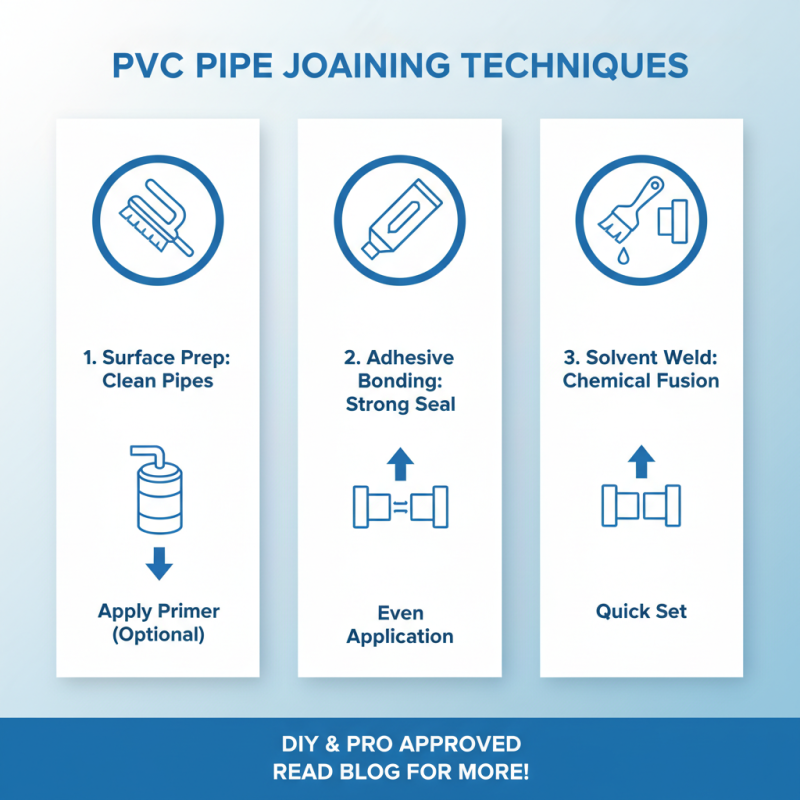
    When working with PVC pipework, proper joining techniques are crucial. Adhesives and solvent welds are popular choices among DIY enthusiasts and professionals alike. These methods create a strong bond, but they require careful application. First, surface preparation is essential. Clean the pipes and fittings thoroughly to remove dirt and grease. Use a primer if necessary, as this can help the adhesive bond better.

    When applying solvent cement, be generous but not excessive. Too much can create a mess and weaken the joint. Apply even pressure while joining the pipes to ensure proper alignment. Hold them together for a few seconds to allow the adhesive to set. However, rushing this process can lead to misalignment. This often results in leaks later on, so take your time.

    When using adhesives, be mindful of the working time. Some glues set quickly, leaving little room for adjustments. If you cut the pipes too short or misjudge the angle, it can be frustrating. In these moments, reflect on the importance of precision. Each joint should be a point of pride, not a source of regret. Attention to detail in these practices will yield durable and reliable PVC connections.

    Understanding Pressure Ratings and Applications of PVC Pipe Systems

    When working with PVC pipe systems, understanding pressure ratings is crucial. PVC pipes come in various ratings, which indicate their strength and suitability for different applications. Common pressure ratings include Schedule 40 and Schedule 80. Schedule 40 is often used for residential and light commercial projects. In contrast, Schedule 80 is more robust and suitable for higher pressure applications.

    Not all applications are equal. Some require high durability, while others may work with lower strength. Always consider the environment where the pipes will be installed. For example, exposure to sunlight can degrade certain types of PVC over time. This degradation might lead to issues down the road. Ensure that the selected pipes can handle the specific pressures and environmental factors present.

    Don't overlook the importance of proper fittings and connections. They play a significant role in maintaining the integrity of the entire system. Leaks can occur when fittings are not rated for the same pressure as the pipe. When in doubt, double-check compatibility. It can save time and resources. Lastly, keep in mind that installation mistakes can lead to future problems. It's an area where a little extra care goes a long way.

    Pressure Ratings of PVC Pipe Systems

    Maintenance Tips for Ensuring Longevity of PVC Pipe Installations

    PVC pipes are popular due to their durability and corrosion resistance. However, they require some maintenance to ensure they last. Regularly inspecting your PVC installations can identify small issues before they turn into larger problems. Look for signs of wear, such as cracks or leaks. A simple visual check can go a long way.

    Cleaning is also essential for maintaining PVC pipework. Use a gentle cleaner to remove grime and debris. Avoid harsh chemicals that can damage the pipe surface. Keep the connections tight to prevent leaks. If you notice any loose fittings, take the time to tighten them.

    Temperature changes can cause PVC to expand and contract. Be aware of this, especially in extreme weather conditions. Insulating your pipes can help mitigate damage from temperature fluctuations. Consistent maintenance can help ensure the longevity of your PVC installations, but pay attention to the little things. Ignoring minor issues might lead to major repairs later on.

    10 Essential Tips for Working with PVC Pipework

    Tip Number Maintenance Tip Description Frequency
    1 Inspect for Damage Regularly check the piping for cracks or leaks. Monthly
    2 Clean Regularly Remove debris and buildup inside the pipes. Quarterly
    3 Check for Proper Insulation Ensure pipes are insulated to prevent freezing. Annually
    4 Monitor Water Quality Test water regularly for contaminants that might affect piping. Semi-Annually
    5 Avoid Overloading Do not exceed the pressure ratings of the pipes. Ongoing
    6 Use Proper Jointing Techniques Ensure joints are securely sealed to prevent leaks. Every Installation
    7 Protect from UV Exposure Use UV-resistant materials if exposed to sunlight. As Needed
    8 Avoid Sharp Bends Use gradual bends to prevent stress on the pipes. During Installation
    9 Secure Pipelines Properly Ensure pipes are anchored to prevent movement. Ongoing
    10 Consult Professionals Seek expert advice for installation and maintenance. As Required