What is a Hose Clamp and How to Choose the Right One?
A Hose Clamp is an essential tool in various applications, securing hoses tightly to prevent leaks and ensure optimal performance. Understanding the different types of hose clamps is crucial for making an informed choice. With numerous options available, selecting the right clamp for your specific needs can feel overwhelming.
The effectiveness of a hose clamp relies on the material, design, and size. Stainless steel clamps offer durability, while plastic alternatives may be more suitable for light-duty tasks. It's important to consider the environment where the clamp will be used. For example, exposure to moisture or corrosive substances can greatly affect the lifespan of the clamp.
Many may overlook the importance of choosing the right hose clamp, assuming one size fits all. However, using a poorly fitting clamp can lead to severe consequences, like fluid spills or equipment damage. Therefore, it's necessary to invest time in understanding the specifications and ensure you select a reliable hose clamp for your project. This knowledge can prevent costly mistakes and enhance the overall efficiency of your work.
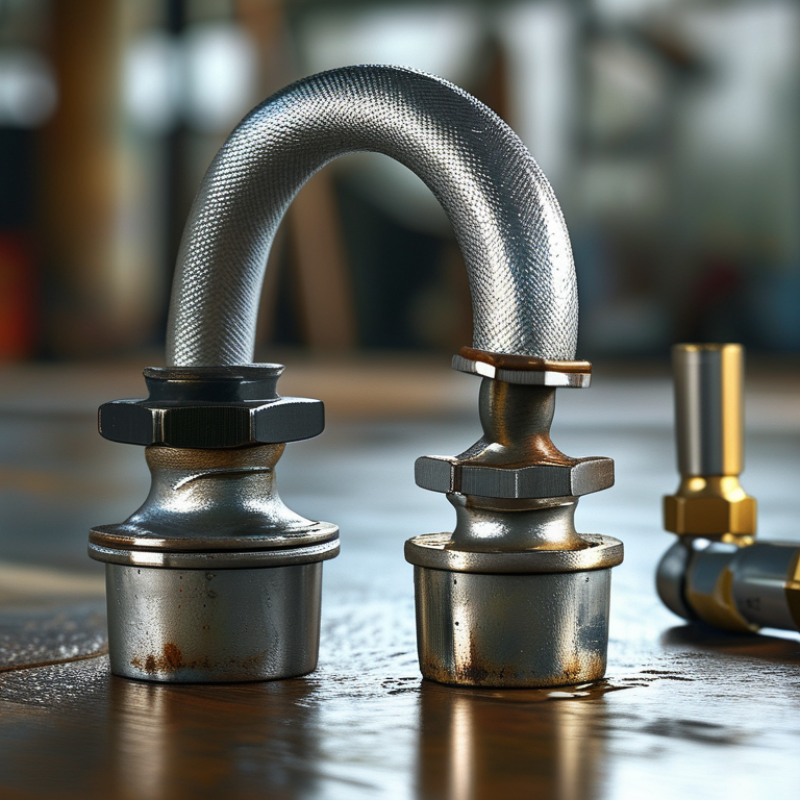
Understanding the Basics of Hose Clamps: Definition and Purpose
Hose clamps are essential components widely used in various industries. They secure hoses in place and prevent leaks in critical applications. These fixtures come in diverse materials, sizes, and designs to accommodate different needs. According to industry reports, over 50% of mechanical failures in automotive systems relate to inadequate hose connections. This underscores the importance of selecting the right hose clamp.
Understanding the purpose of a hose clamp goes beyond just its function. They create a seal that helps maintain pressure within systems. In fluid applications, clamps prevent fluid loss, enhancing operational efficiency. Choosing the right type can reduce maintenance costs by over 15%, based on performance data from mechanical engineering studies. However, professionals often overlook factors like materials and environmental conditions. This oversight can lead to premature failures.
The right hose clamp can improve safety and reliability in operations. Yet, specifications such as pressure ratings and temperature resistances must match the system. Inadequate selection can result in leaks and damage, calling for a more careful approach to evaluations. As industry experts highlight, awareness of your specific application is crucial for optimal performance.
Hose Clamp Types and Their Applications
Types of Hose Clamps: A Comprehensive Overview
When it comes to hose clamps, understanding the various types is key. Hose clamps are essential for securing hoses in various applications, from automotive work to plumbing. There are several types of hose clamps, each designed for specific uses. The most common types include worm gear clamps, spring clamps, and fuel line clamps.
Worm gear clamps are popular due to their adjustability. They consist of a band with a screw mechanism, allowing for a tight fit. Spring clamps are simple yet effective, relying on tension to hold hoses firmly in place. These clamps are often used in low-pressure applications. Fuel line clamps, on the other hand, are specialized for securing hoses in fuel systems. They prevent leaks and ensure safe operation.
Choosing the right type of hose clamp can be challenging. Factors to consider include the material of the hose, operating pressure, and the environment. For example, stainless steel clamps are great for corrosive environments. While it’s crucial to select the appropriate clamp, many people overlook the importance of proper installation. An ill-fitted clamp can lead to leaks or even hose failure. Balancing all these considerations requires careful thought and a bit of experience. Each choice affects performance and reliability in practical applications.
Key Factors to Consider When Selecting a Hose Clamp
When choosing a hose clamp, several key factors come into play. The size of the hose is crucial. Measure the outer diameter accurately. A clamp that is too loose will fail. A clamp that is too tight can damage the hose. Always check for compatibility with the material of your hose. Metal clamps work well for rigid hoses, while plastic options suit softer ones.
Material choice is another factor. Stainless steel is durable and resists rust. It’s great for outdoor use. Inspect the coating on clamps as well. Some coatings improve corrosion resistance. If you’re using clamps in extreme temperatures, ensure they can handle these conditions. This prevents clamp failure over time.
Tips: Always have a few extra clamps on hand. They can save time during repairs. If you are unsure about the sizing, consult a professional. Getting this wrong can lead to leaks or breaks, requiring a complete system overhaul. To avoid common mistakes, double-check your measurements. Remember, not all hose clamps are created equal. Choosing the right one can make a significant difference in the performance of your system.
Applications of Hose Clamps in Various Industries
Hose clamps are essential components across many industries. In automotive applications, they secure hoses for cooling systems and fuel lines. Reports indicate that the automotive sector accounts for over 40% of hose clamp consumption globally. This demand underscores the importance of reliability in such critical systems. Clamps must withstand engine vibrations and temperature fluctuations.
In the plumbing industry, hose clamps prevent leaks in various installations. The global plumbing fittings market is projected to grow by 5.2% annually, driven by infrastructure development. A poorly chosen clamp can lead to significant water damage and repair costs. Therefore, understanding the correct materials and sizes is crucial.
Food and beverage industries rely on hose clamps for hygiene and safety. They help maintain the integrity of fluid systems in processing plants. The food industry cannot afford contamination risks, which may arise from inadequate sealing. Data shows that 25% of food industry recalls are related to equipment failure, emphasizing the need for effective hose clamp application.
What is a Hose Clamp and How to Choose the Right One? - Applications of Hose Clamps in Various Industries
| Industry | Common Applications | Type of Hose Clamp | Material | Size Range (inches) |
| Automotive | Fuel and coolant lines | Spring Hose Clamp | Stainless Steel | 0.5 - 2.5 |
| Manufacturing | Conveyor systems | Gear Clamp | Galvanized Steel | 1 - 4 |
| Construction | Water and sewage pipes | Worm Gear Hose Clamp | Aluminum | 1 - 6 |
| Agriculture | Irrigation systems | Snap Hose Clamp | Plastic | 0.5 - 3 |
| Marine | Fuel lines and exhaust systems | V-Band Clamp | Corrosion-resistant Steel | 2 - 5 |
Maintenance Tips for Optimal Hose Clamp Performance
When it comes to hose clamps, maintenance is crucial for ensuring optimal performance. Regularly inspect clamps for signs of wear or damage. Industry studies show that nearly 30% of hose clamp failures result from improper installation or neglect. This highlights the importance of routine checks to prevent leaks and ensure a secure connection.
Correct torque settings are vital. Over-tightening can lead to deformation, while under-tightening might cause slippage. A well-known guideline recommends tightening to just enough torque without distorting the clamp. Monitoring gauge readings can help maintain this balance.
Proper material selection also plays a role in longevity. For instance, stainless steel clamps offer corrosion resistance, while plastic variants work well in low-pressure applications. However, many fail to choose the appropriate type, resulting in premature failure. Remember, a proactive approach to maintenance can save time and costs in the long run.
