How to Choose a Traffic Control Bollard in 2026?
Choosing the right Traffic Control Bollard in 2026 requires more than comparing prices or polished product photos. A bollard must match the site, traffic pattern, weather, and expected impact risk. A busy hospital entrance needs different protection from a warehouse loading bay. Pedestrians also need clear, comfortable routes around every installation.
Start by studying the location at different times of day. Note delivery vans, emergency access, turning space, drainage, and poor visibility during rain. Measure the available clearance carefully. A fixed steel bollard may suit a permanent boundary, while a removable or retractable model may support occasional vehicle access. Flexible designs can reduce minor damage, but they may not control heavier vehicles effectively.
Material and visibility matter. Hot-dip galvanized steel can resist outdoor corrosion, while reflective bands improve recognition after sunset. Check the manufacturer’s load data, installation method, warranty, and maintenance instructions. Independent testing and documented quality systems provide stronger evidence than marketing claims alone. Local engineers and access specialists should review critical sites before purchase.
There is no perfect choice.
A common mistake is focusing only on impact strength. Poor spacing can create a tripping hazard, obstruct wheelchairs, or leave vehicles an unexpected route around the barrier. Installation quality matters just as much as the bollard itself. Concrete depth, foundation condition, drainage, and anchor selection can change real-world performance. Reassess the design after installation, especially when traffic patterns change. The safest decision combines practical observation, verified specifications, and honest recognition of site limitations.
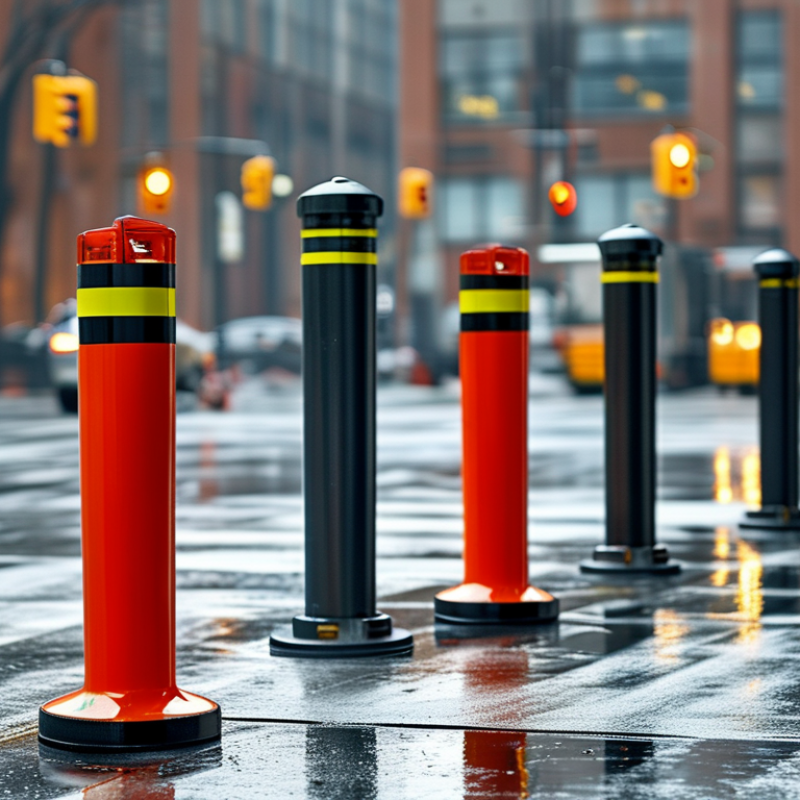
Traffic Control Bollards: Purpose, Types, and Core Functions
How to Choose a Traffic Control Bollard in 2026?
Traffic Control Bollards: Purpose, Types, and Core Functions
Traffic control bollards separate vehicles from pedestrians, buildings, loading zones, and sensitive equipment. Their purpose is practical: guide movement, restrict access, and reduce collision consequences. Measure the risk. A warehouse entrance may need impact resistance, while a plaza may need visual guidance and occasional vehicle access.
Fixed bollards provide continuous protection and suit building edges or busy sidewalks. Removable models support temporary closures, but their sockets need regular cleaning and inspection. Retractable bollards offer controlled access through manual, hydraulic, or electric operation. Flexible bollards can bend after contact and suit lane guidance, although they are not a substitute for certified impact protection. Telescopic designs store neatly in limited spaces. Each type solves a different operational problem.
Core functions include visibility, strength, access control, and maintainability. Choose reflective surfaces, contrasting colors, and lighting where drivers face poor visibility. Check diameter, spacing, foundation depth, drainage, and verified impact performance. Product documentation should identify tested conditions, installation limits, and maintenance requirements. Do not judge strength by appearance alone.
Walk the site during deliveries and evening hours. Observe turning paths, blind corners, snow, water, and emergency access. Measure the risk again. A design that works on paper may obstruct a pallet jack or create a trip hazard. I have found that maintenance is often underestimated; damaged sleeves, loose fixings, and faded markings can quietly reduce protection. Local accessibility, construction, and traffic-control requirements should also guide the final specification.
How to Choose a Traffic Control Bollard in 2026?
Traffic Control Bollards: Purpose, Types, and Core Functions
This capability matrix compares common traffic control bollard types. A value of 1 means the function is commonly associated with that bollard type, while 0 means it is not normally its primary function. Actual performance depends on construction, installation method, impact rating, operating system, and site requirements.
Assessing Site Conditions and Traffic Management Requirements
How to Choose a Traffic Control Bollard in 2026?
Assessing Site Conditions and Traffic Management Requirements
A suitable traffic control bollard starts with a careful site assessment. Walk the area during busy and quiet periods. Record vehicle speeds, turning paths, delivery schedules, and pedestrian movement. A narrow loading entrance may need flexible protection, while a high-risk crossing may require a stronger fixed barrier. Measure the pavement depth and inspect for cracked concrete, loose paving, or underground services before choosing an anchor system.
Weather also affects performance. Coastal air can accelerate corrosion, while standing water weakens poorly drained installations. In cold regions, frost movement may loosen foundations. Visibility matters after dark, so use high-contrast surfaces and approved reflective materials where needed. Leave enough clearance for wheelchairs, strollers, maintenance vehicles, and emergency access. Small gaps can create large problems.
Think beyond impact resistance. Ask how often the bollards will be inspected, cleaned, repaired, or repositioned. Removable units may suit changing access needs, but their sockets require regular cleaning. Fixed units offer consistent control, though replacement can be disruptive. I have seen teams select the strongest option and overlook driver sightlines. That choice created avoidable reversing risks. Review turning templates with a traffic engineer when vehicle movements are complex. Keep installation records, inspection dates, and damage reports. Conditions change, and an effective arrangement this year may become unsuitable after a new delivery route or nearby construction.
Comparing Bollard Materials, Visibility, and Impact Resistance
How to Choose a Traffic Control Bollard in 2026?
Material choice starts with the site, not the catalogue. Steel bollards provide strong resistance and suit loading zones, driveways, and exposed edges. Ductile iron absorbs impact well but can become brittle in severe cold. Polymer and composite models resist corrosion, yet their performance varies greatly by formulation. Coastal sites need protected steel, stainless steel, or carefully tested composites. ASTM F2656/F2656M evaluates vehicle-security barriers through impact speed and penetration ratings, including M50 classifications. A rating is useful, but it does not replace a site-specific risk assessment.
Visibility deserves equal attention. NHTSA’s Traffic Safety Facts: 2022 Data—Pedestrians reports that about three quarters of pedestrian deaths occurred in dark conditions. Use high-contrast colors, wide retroreflective bands, and lighting where pedestrians or drivers may approach unexpectedly. The 2023 FHWA Manual on Uniform Traffic Control Devices stresses maintaining conspicuity for traffic-control devices. A bright coating alone is not enough. Dirt, rain, glare, and damaged tape can quickly reduce recognition.
Impact resistance should match the likely vehicle and approach speed. A flexible bollard may reduce repair costs after a low-speed contact, while a fixed steel unit offers stronger separation. The WHO Global Status Report on Road Safety 2023 estimates 1.19 million annual road deaths worldwide, so weak perimeter planning deserves scrutiny. One practical mistake is choosing the highest rating everywhere. That can create unnecessary cost and harsh streetscapes. I would also question laboratory results when installation depth, foundation quality, or maintenance details are missing. Real sites are rarely perfect.
Selecting Fixed, Removable, Retractable, or Automatic Bollards
How to Choose a Traffic Control Bollard in 2026?
Selecting Fixed, Removable, Retractable, or Automatic Bollards
Bollard selection starts with risk, not appearance. The World Health Organization reported 1.19 million annual road deaths in its Global Status Report on Road Safety 2023. That figure reinforces a practical point: vehicle movement needs deliberate separation from people and buildings.
Fixed bollards suit permanent protection around entrances, façades, and pedestrian zones. They normally offer simple maintenance and consistent resistance. Removable bollards work better where emergency or service access changes regularly. Their sockets need drainage, strong covers, and careful alignment. Retractable models provide controlled access without leaving a permanent obstruction above ground. However, water, grit, and poor drainage can reduce reliability. Automatic bollards improve traffic control at busy entrances. They require power, sensors, backup procedures, and scheduled servicing. Convenience has a maintenance cost.
Specify impact performance using recognized testing, such as ASTM F2656/F2656M or PAS 68, where applicable. These systems assess vehicle impact conditions, not every real-world scenario. A rating is not a complete design. Check vehicle mass, approach speed, spacing, foundation depth, and pedestrian visibility. CISA guidance also recommends layered vehicle-ramming mitigation rather than relying on one device. The best layout may combine bollards, gates, lighting, and trained operators. Do not overlook delivery drivers. A visually strong barrier can still create awkward reversing movements. That weakness deserves honest review..getenv
Checking Safety Standards, Installation Needs, and Maintenance Costs
How to Choose a Traffic Control Bollard in 2026?
Safety compliance should guide every bollard decision. Check current national and municipal standards before comparing products. The required impact rating depends on location, vehicle speed, and pedestrian exposure. A loading entrance needs different protection from a quiet office walkway. Look for documented test results, reflective visibility, and clear installation instructions. Certificates alone are not enough. Confirm that the testing matches your actual site conditions.
Installation needs can change the real budget. Measure the surface depth, underground utilities, drainage, and vehicle access first. Fixed bollards usually offer strong protection, but they require accurate anchoring and may complicate future repairs. Removable or retractable designs provide flexibility, yet their locks and moving parts need more attention. Maintenance costs include cleaning, repainting, replacement hardware, inspections, and traffic disruption during repairs. A cheap unit may become expensive. This is where planning often falls short. Leave working space around each bollard and check visibility during rain, darkness, and glare. Safety is practical, not decorative.
Tips: Ask an experienced installer for a site survey. Request a written maintenance schedule and spare-part estimate. Inspect anchors after severe impacts, even when damage looks minor. Record each inspection with photographs and dates. One useful improvement is testing a sample installation before ordering the full quantity. Conditions vary, and a drawing can miss an awkward slope or hidden drainage channel.
