What is a Low Bed Semi Trailer Benefits Features and Uses?
The Low Bed Semi Trailer is an essential asset in the transportation industry. These trailers are specifically designed for transporting heavy and oversized loads safely. According to industry reports, the global low bed trailer market size was valued at approximately $2 billion in 2020, with expectations for growth driven by infrastructure projects and logistics demand.
A Low Bed Semi Trailer's unique design allows for a lower center of gravity. This significantly enhances stability during transport, reducing the risk of accidents. Additionally, the low height ensures compatibility with various loads, including construction equipment and machinery. Industry statistics show that using low bed trailers can reduce transportation costs by up to 15% compared to standard trailers.
However, challenges remain. Overloading can lead to structural damage and more frequent maintenance. Furthermore, some operators may not fully understand the specific features that enhance load security. A comprehensive understanding of the benefits, features, and best practices for using Low Bed Semi Trailers is crucial for maximizing their potential.
What is a Low Bed Semi Trailer?
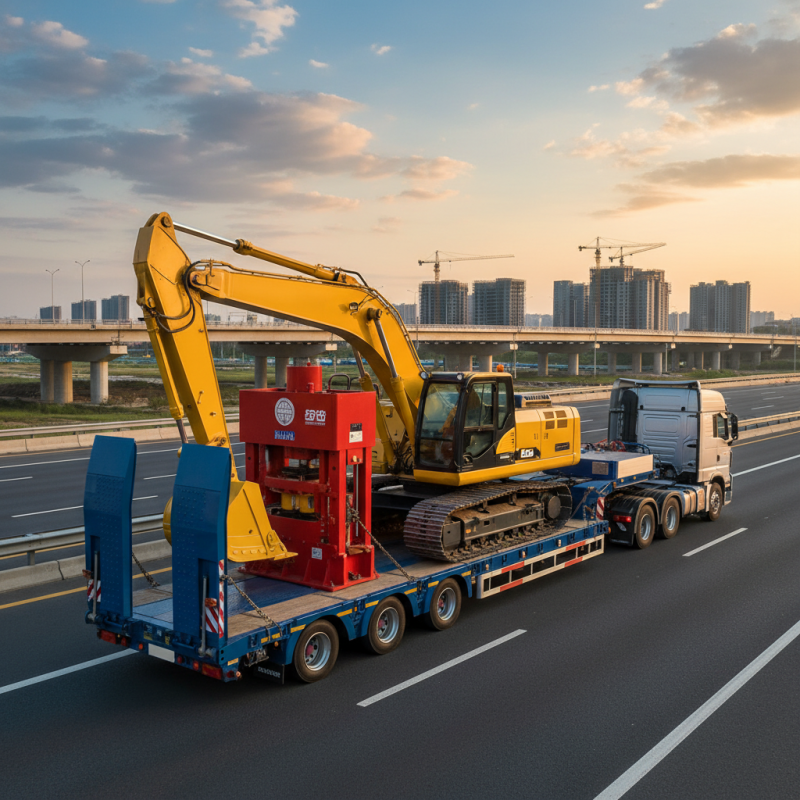
A low bed semi trailer, often known for its specialized design, is crucial in transporting heavy and oversized loads. With a lower deck height, it allows for a stable center of gravity. This design feature is essential for carrying equipment, such as construction machinery or large generators, which can often exceed standard height regulations set by transport authorities.
Industry reports indicate that the low bed semi trailer market is projected to grow at a compound annual growth rate (CAGR) of 5.2% over the next five years. This growth is driven by demand from sectors like construction and mining, where heavy machinery transport is regular. Importantly, these trailers typically feature a removable gooseneck, enhancing loading and unloading efficiency. Notably, the versatility in load configurations allows for different sized equipment, making them a preferred choice for logistics companies.
However, despite their benefits, there are challenges. The weight limits for these trailers can lead to shipping delays if not properly managed. Additionally, their operation requires skilled drivers due to the complexity of navigating heavily loaded vehicles. This highlights the need for continuous training in the industry, ensuring safety and efficiency. Such considerations remind stakeholders of the importance of persistently improving transportation processes.
Key Features of Low Bed Semi Trailers
Low bed semi trailers are essential for transporting heavy and oversized loads. Their design allows for a lower center of gravity, ensuring greater stability during transport. Common features include a long platform, sturdy construction, and ramp options for easy loading. This design handles rough terrains and sharp turns more effectively than standard trailers.
One of the most notable features is the trailer's versatility. It can accommodate various types of machinery and equipment, making it suitable for construction, mining, and other industries. Users often face challenges like securing loads properly. Proper loading techniques and knowledge of weight distribution can significantly affect safety and efficiency during transportation.
These trailers usually offer hydraulic or air-ride suspension for smooth handling. The low profile design not only enhances stability but also helps in reducing overall height issues while navigating underpasses or bridges. However, they do require careful maintenance. Regular inspection of the tires, brakes, and connections is crucial to keep operations safe. This aspect often goes overlooked, leading to potential safety hazards. Adjusting to the specific needs of loads can be complex but is vital for successful transport.
Benefits of Using Low Bed Semi Trailers
Low bed semi trailers offer significant advantages for transporting heavy and oversized cargo. Their unique design lowers the load height, making loading and unloading more efficient. This feature minimizes the risk of damage during transit. According to a report from the American Trucking Association, using low bed trailers can reduce transport time by up to 15% for heavy loads.
One notable benefit is their capability to carry larger loads. Low bed semi trailers can transport machinery that exceeds the standard height limit. Industries such as construction and mining rely heavily on these trailers. Data reveals that over 60% of companies in heavy equipment transportation utilize low bed semi trailers for this reason.
**Tip:** Always check local regulations for transporting oversized loads. Non-compliance can lead to fines and project delays.
Maintenance is crucial for these trailers to ensure safety and longevity. Regular inspections can prevent accidents. Reports indicate that poorly maintained trailers are involved in 30% of heavy haul accidents. Keeping accurate maintenance records is essential for operational reliability.
**Tip:** Schedule routine checks for brakes, tires, and load securing systems to enhance performance and safety.
Benefits of Using Low Bed Semi Trailers
Common Uses of Low Bed Semi Trailers
Low bed semi trailers are essential for transporting heavy and oversized loads. They are commonly used in construction, mining, and heavy machinery industries. These trailers lower the deck height, making loading and unloading easier. This design also allows taller equipment to pass under bridges and power lines without obstruction.
In the construction industry, low bed semi trailers transport excavators, bulldozers, and cranes. Their low profile means that workers can load these machines securely. In mining, they are used to move heavy equipment across rugged terrains. Transporting these loads can be challenging, and not all trailers are suitable. Using a low bed trailer reduces the risks associated with height restrictions.
Despite their benefits, using low bed semi trailers requires careful planning. Drivers must be trained and aware of load limits. Routes must be surveyed for height restrictions and road conditions. Even minor oversights can lead to accidents or delays. It’s crucial to gather all necessary information before embarking on such transport jobs.
Comparison with Other Types of Trailers
When comparing low bed semi trailers with other types, several features stand out. Low bed trailers have a unique design that lowers the cargo deck. This design allows for greater stability when transporting oversized loads. Unlike flatbed or standard trailers, they provide enhanced clearance for taller items. This is essential for transporting construction equipment or large machinery.
In the realm of trailers, their versatility can be a double-edged sword. While low bed trailers excel at handling heavy and awkward cargo, they may not suit lighter loads. Flatbed trailers are often preferred for general freight because they are easier to load. However, low bed trailers offer unmatched safety for transporting heavy equipment on roads with low bridges or tight turns. The ability to transport diverse cargo types remains a strong point, yet it requires careful consideration to avoid overloading.
One aspect that deserves attention is the maintenance costs. Low bed trailers can demand more upkeep than standard types, especially if used extensively. Their specific design and versatility may lead to complex repair processes. It's vital for operators to weigh these factors against their transport needs. Balancing capability with cost-effectiveness can be challenging but is crucial for efficient logistics management.
What is a Low Bed Semi Trailer Benefits Features and Uses? - Comparison with Other Types of Trailers
| Feature | Low Bed Semi Trailer | Flatbed Trailer | Enclosed Trailer | Tank Trailer |
| Height Clearance | Low profile design allows for greater height clearance | Standard height, limited clearance | Variable height, can be customizable | Height varies, generally high |
| Load Capacity | High load capacity for heavy equipment | Moderate load capacity for general cargo | Varies, often less than low bed trailers | Designed for liquid cargo, varies widely |
| Best Use | Heavy machinery transport, large equipment | General freight, construction materials | Transporting goods needing protection from elements | Transporting liquids or bulk materials |
| Loading Mechanism | Loading from the ground with ramps | Easy loading from the ground | Accessibility via doors or ramps | Top loading or bottom loading options |
| Typical Applications | Construction, large equipment transport | Freight hauling, lumber, and steel | Transport of vehicles, machinery, and sensitive cargo | Chemicals, fuels, and food-grade liquids |
