Why Choose PVC Well Casing for Your Water Well Project?
When considering a water well project, the choice of materials is crucial. PVC well casing stands out as a preferred option for many professionals in the field. John Smith, a well-known expert in water well construction, believes, "PVC well casing is not only durable but also cost-effective." This highlights the important balance between quality and affordability in project planning.
Choosing PVC well casing can ensure longevity and prevent many common issues. It resists corrosion and does not allow for contamination of the water. Smith emphasizes that "using the right casing material can significantly impact water quality." This statement reflects the growing emphasis on ensuring safe drinking water for communities.
However, it's essential to consider some drawbacks. PVC can be sensitive to extreme temperatures. Proper installation and maintenance are necessary to avoid problems down the line. While PVC well casing offers numerous benefits, professionals must weigh these factors carefully. Ultimately, investing in quality materials is a vital step in a successful water well project.
Understanding PVC Well Casing and Its Benefits
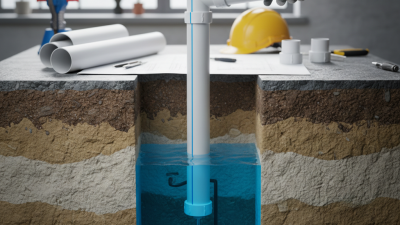
PVC well casing is increasingly becoming the material of choice for water well projects. Understanding why requires digging into its unique benefits. According to industry reports, PVC well casing has a lifespan of over 50 years, with minimal degradation. This long durability contributes to lower maintenance costs in the long run.
Furthermore, PVC offers excellent corrosion resistance. Unlike metal casings, which can succumb to rust or chemical reactions, PVC remains stable in various soil conditions. A study indicated that about 30% of metal casings fail prematurely due to corrosion. Using PVC can reduce this risk significantly.
Another advantage is its lightweight nature, making installation easier and less labor-intensive. Contractors can handle longer sections of PVC with ease, speeding up installation times. However, some critics argue that PVC may not perform well in extreme temperature conditions. It's crucial to consider local environmental factors before making a choice. Understanding these aspects of PVC well casing allows for informed decisions in water well projects.
Comparing PVC Casing with Traditional Materials
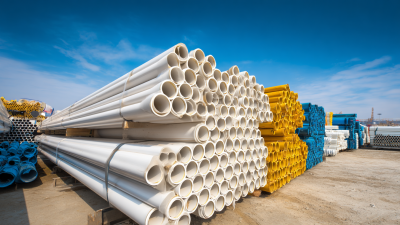
When comparing PVC casing to traditional materials like steel or concrete, the advantages of PVC become evident. PVC is lighter, making it easier to transport and install. A report by the National Ground Water Association indicates that PVC casing can reduce installation time by up to 30%. This efficiency can be crucial for project timelines, especially in remote areas.
In terms of durability, PVC is resistant to corrosion, which is a significant issue with steel casing. According to research from the Water Well Association, steel can corrode within a few years, leading to costly repairs. PVC, on the other hand, boasts a lifespan of over 50 years in typical well conditions. This long-term reliability can minimize maintenance efforts and expenses.
However, the thermal expansion of PVC can pose challenges in extreme temperature fluctuations. Installers should account for this during the design process. Critics argue that while PVC has many benefits, the environmental impact of plastic production remains a concern. Balancing these factors is essential when choosing the best casing for your water well project.
Durability and Longevity of PVC in Water Well Applications
When it comes to water well projects, the choice of materials is crucial.
PVC well casing offers impressive durability and longevity, making it a popular option among well construction professionals.
Unlike metal or concrete, PVC is resistant to corrosion and biological growth. This means it can withstand harsh conditions for many years.
The lightweight nature of PVC simplifies transportation and installation.
Professionals often find that handling PVC is more manageable than bulkier materials.
However, while PVC has many advantages, some may question its overall strength compared to traditional materials. Proper installation techniques are essential to enhance its performance.
Without proper support, any casing may face issues.
The longevity of PVC in water well applications is not just about the material itself. Environmental factors also play a role.
Groundwater conditions can vary significantly. Therefore, understanding the local environment is key to ensuring the optimum lifespan of PVC casing.
Engaging with experienced professionals can provide valuable insights into these factors.
The focus should be not only on choosing the right material but also on its application in real-world scenarios.
Cost-Effectiveness of PVC Well Casing for Water Projects
When considering materials for water well projects, PVC well casing offers substantial cost-effectiveness. According to the National Ground Water Association, PVC is approximately 30% cheaper than traditional steel casing. This significant price difference impacts the initial costs of well construction. For projects with limited budgets, the affordability of PVC allows for better allocation of resources.
Additionally, PVC's lightweight nature simplifies transportation and installation. A study by the Water Research Foundation indicates that using PVC reduces installation time by nearly 20%. This efficiency can lead to lower labor costs and quicker project completion. However, it's essential to acknowledge that some may question PVC's durability compared to steel. While PVC is resistant to corrosion, it can be less sturdy in high-pressure situations.
Further analysis shows that the lifespan of PVC casing can exceed 30 years with proper installation and maintenance. In areas with acidic groundwater, the performance of PVC may vary. Being informed about these factors ensures sound decision-making. Overall, PVC well casing strikes a balance between cost and functionality, making it a favorable choice in many scenarios.
Why Choose PVC Well Casing for Your Water Well Project? - Cost-Effectiveness of PVC Well Casing for Water Projects
| Dimension |
PVC Well Casing |
Steel Well Casing |
| Initial Cost |
$3.50 per foot |
$5.00 per foot |
| Longevity |
Up to 50 years |
30-40 years |
| Weight |
Lightweight |
Heavy |
| Corrosion Resistance |
Excellent |
Poor |
| Installation Cost |
Lower |
Higher |
| Environmental Impact |
Lower |
Higher |
Environmental Considerations in Using PVC for Well Casings
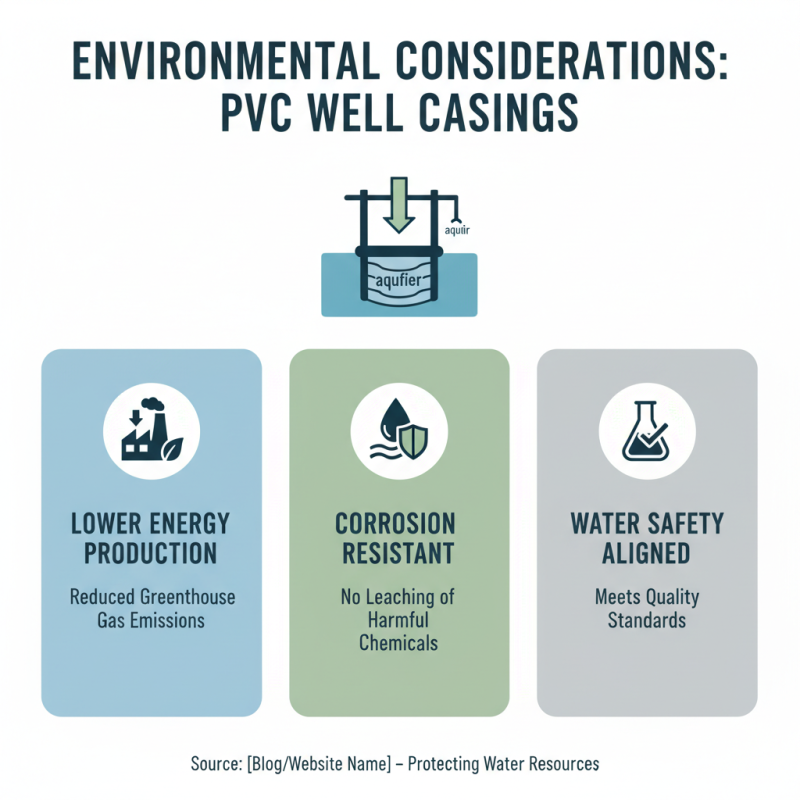
When considering materials for well casings, environmental impacts are crucial. PVC has gained attention for several reasons. Its production involves less energy compared to steel. This can result in lower greenhouse gas emissions. Additionally, PVC is resistant to corrosion. It doesn’t leach harmful chemicals into the water, aligning with safety standards.
However, it’s essential to acknowledge the drawbacks. The production of PVC can lead to pollution if not managed properly. The disposal of PVC products often raises concerns, as they are not biodegradable. This could lead to plastic waste in landfills. Proper disposal and recycling methods should be in place to mitigate these issues.
Moreover, local regulations might influence the adoption of PVC. Some regions may have stricter guidelines on materials used in water projects. It’s vital to consult with experts to ensure compliance. Conducting a thorough environmental impact assessment is prudent. Balancing benefits with potential risks is essential for sustainable practices in water well projects.