VFD Control Panels Tips for Efficient Usage and Selection?
In the world of industrial automation, VFD Control Panels play a crucial role in optimizing equipment performance. Renowned expert Dr. Emily Chen emphasizes that "selecting the right VFD Control Panel can significantly enhance energy efficiency." Her insights highlight the importance of thoughtful selection in achieving operational excellence.
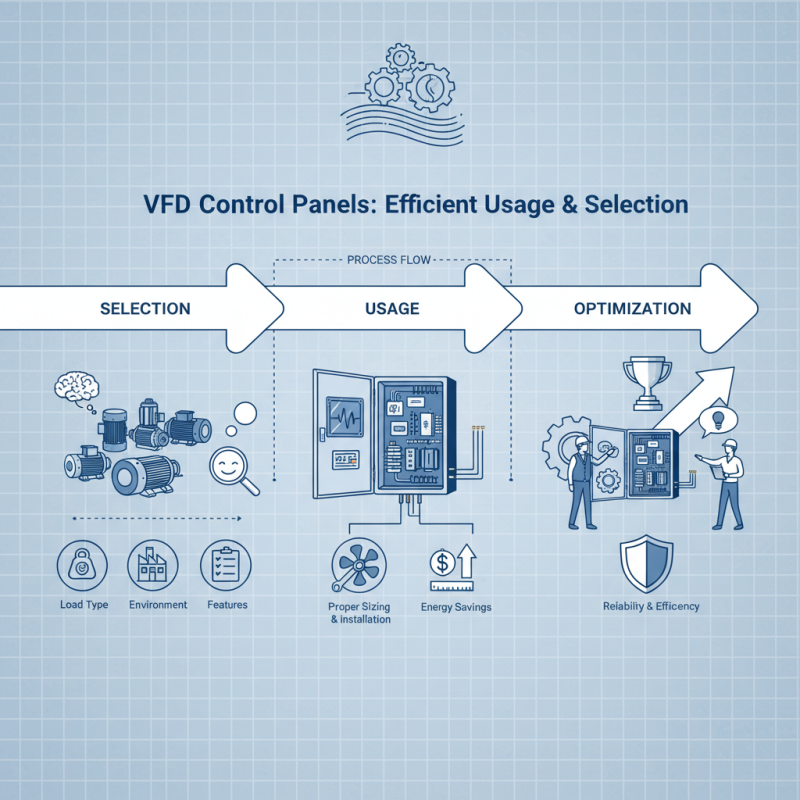
VFD Control Panels are essential for regulating motor speed. This flexibility leads to substantial energy savings and improved process control. However, many users overlook aspects like proper sizing and installation. Poor choices can lead to inefficiencies and increased costs. Understanding the specific needs of your application is vital.
The selection process can feel overwhelming. Factors such as load type, operational environment, and desired features must all be considered. Often, even minor errors lead to major pitfalls. Therefore, working with knowledgeable professionals can bridge the gap between basic knowledge and successful implementation of VFD Control Panels. Emphasizing expert advice ensures reliability and efficiency in your system.
Understanding VFD Control Panels: Basics and Functionality
Variable Frequency Drives (VFDs) are essential in modern industrial applications. They control the speed and torque of electric motors. By adjusting motor frequency, VFDs increase energy efficiency. According to a report by the U.S. Department of Energy, proper use of VFDs can reduce energy consumption by 20-50%.
Understanding VFD control panels is crucial for effective implementation. These panels typically house critical components such as the drive, contactors, and overload relays. Each element serves a specific function. For example, contactors help manage power supply to the motor. This setup can often lead to operational challenges. Maintenance may be needed if components wear out prematurely, reducing reliability.
Selecting the right VFD panel involves more than just technical specifications. One should consider the actual application and load requirements. An unsuitable choice can lead to inefficiency and increased operational costs. It's vital to analyze various parameters. Factors like ambient conditions, motor specifications, and control needs should all factor into the decision. This thoughtful approach commands better performance in the long run.
VFD Control Panels Efficiency Metrics
This bar chart illustrates key performance metrics for VFD control panels, highlighting the efficiency, cost savings, energy consumption, heat dissipation, and maintenance frequency. This data can help in selecting a suitable VFD control panel and optimizing its usage for better operational efficiency.
Key Factors to Consider When Selecting VFD Control Panels
When selecting VFD control panels, it’s crucial to evaluate several key factors. The power requirements of your application should be the primary consideration. Ensure the panel can handle the necessary voltage and current loads. Incorrect ratings can lead to inefficiency and equipment damage. Look closely at the motor's specifications, as they directly impact performance.
Environmental conditions also play a vital role. If the panel operates in a dusty or humid location, consider enclosures with appropriate ratings. Non-compliance with environmental standards can reduce lifespan. It's important to assess cooling and ventilation needs too. A panel that overheats will eventually fail, costing both time and money.
Another factor is the ease of integration. Check for compatibility with existing systems. Upgrade paths should be available, allowing future enhancements. Remember, a user-friendly interface increases operational efficiency. Strive to balance initial costs with long-term performance. Investing wisely here ensures reliability and durability.
Best Practices for Operating VFD Control Panels Efficiently
Operating Variable Frequency Drive (VFD) control panels requires thoughtful attention to detail. One essential aspect is proper configuration. A well-set parameter can drastically improve energy efficiency. This means considering factors like motor specifications and load characteristics. Understanding these elements helps achieve better performance.
Regular maintenance is vital. Checking connections and cleaning dust can prevent overheating. It’s easy to overlook these tasks, but neglect can lead to costly breakdowns. Moreover, monitoring performance trends over time offers valuable insights. This helps to identify hidden issues before they escalate.
Training personnel to understand VFD operation creates a more competent workforce. Even small mistakes can lead to inefficiencies. Encouraging questions promotes a culture of learning. Adjustments in settings might seem minor but can have significant implications for efficiency. Therefore, regular reviews of operating procedures can spotlight areas needing improvement. Focus on continuous learning and adaptation for optimal operation.
Common Issues and Troubleshooting Tips for VFD Control Panels
VFD control panels are essential in various industrial applications. However, users may encounter common issues that affect performance. Understanding these challenges can help in troubleshooting effectively.
One common problem is overheating. Excess heat can lead to equipment failure. Ensure proper ventilation around the VFD. Regularly check for dust buildup in ventilation areas. Install cooling systems if necessary.
Another issue is electrical noise, which can interfere with operations. Shield cables to minimize this interference. Consider using twisted pairs for connections. It’s crucial to observe electrical connections for any signs of wear or damage.
Monitoring system parameters is vital. Regularly review voltage and current readings. Unusual fluctuations might indicate a deeper problem. Always keep the user manual handy for reference. Not every problem is straightforward, but systematic evaluations can lead to effective resolutions.
Maintenance Guidelines for Longevity of VFD Control Panels
VFD control panels play a crucial role in various industrial applications. To ensure their longevity, proper maintenance is essential. Regular inspections are vital. Check for dust or debris accumulation, as these can cause overheating. Inspect all connections and terminals to avoid loose wires or corrosion.
Keep the panel clean and dry. Use a soft cloth to wipe down surfaces. Moisture can lead to short circuits, presenting significant risks. Monitor operating temperatures frequently. If a panel overheats, it may indicate underlying issues. Pay attention to the sounds the panel makes. Unusual noises can signal mechanical problems that require immediate attention.
Documentation is another critical aspect of maintenance. Keep a log of all inspections and repairs. This record helps track the panel's performance over time. Regularly updating this log can reveal patterns and potential areas for improvement. While it might seem tedious, accuracy in maintenance documentation enhances reliability. A proactive approach prevents costly downtime. Embracing these practices leads to more efficient operation and a longer life for your VFD control panels.
