What Are the Top Well Caps Suppliers in China?
China has become an important manufacturing base for well caps used in water wells, inspection chambers, drainage systems, and utility projects. However, identifying the top well caps suppliers requires more than comparing online prices. Product quality can vary between factories, even when their catalogs look similar. Buyers should examine material grades, load capacity, sealing performance, dimensions, and resistance to sunlight, moisture, and temperature changes.
Reliable suppliers usually provide clear drawings, production samples, inspection records, and practical installation guidance. They may offer cast iron, ductile iron, stainless steel, or reinforced composite well caps, depending on the project environment. Factory experience also matters. A supplier serving municipal contractors may understand traffic loads better than a small trading company with limited technical support. Still, a familiar name is not proof of quality. Samples should be tested.
This guide reviews leading Chinese suppliers through product range, manufacturing capability, quality control, customization, export experience, and customer support. It also considers details that are easy to overlook, such as hinge strength, anti-slip patterns, locking systems, drainage openings, and label durability. Certifications can support a decision, but they should be verified against the actual product and factory. A certificate alone is not enough. Supplier rankings can also change as factories improve, merge, or shift their production focus. That limitation deserves attention. The best choice depends on local standards, installation conditions, order volume, and long-term maintenance needs. Careful comparison will help buyers avoid weak castings, poor fitting, and expensive replacement work.
What Are Well Caps and Where Are They Used?
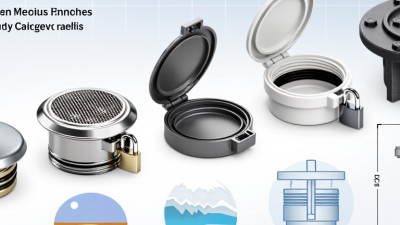
Well caps are protective covers fitted over the top of a water well casing. They help keep out soil, insects, rainwater, and small animals. A properly fitted cap also reduces the chance of surface contaminants entering the well. Some models include screened vents, cable openings, and locking hardware for safer access.
They are used on household wells, irrigation wells, monitoring wells, and geothermal systems. In a residential yard, the cap may sit inside a small concrete pad or below a removable access box. Monitoring wells often use stronger covers because technicians open them repeatedly for sampling. Materials commonly include stainless steel, aluminum, cast iron, and durable engineered plastics. The choice depends on moisture, traffic, temperature, and expected loading.
A reliable supplier should provide clear dimensions, casing compatibility, corrosion data, and installation guidance. The cap must fit tightly without blocking required ventilation or electrical connections. A lock alone is not enough. Poor drainage around the casing can still create problems. This detail is easy to overlook. During inspection, check cracked seals, loose bolts, rust, and standing water near the opening. Local well rules and project specifications should guide the final selection, because a cap suitable for a garden well may fail under vehicle traffic. I would also request replacement gasket availability. Small parts can become surprisingly difficult to source later.
How Is China’s Well Cap Supplier Market Organized?
China’s well cap supplier market is organized less like a single industry and more like a layered manufacturing network. Public reports rarely separate well caps as an independent product category. The China General Administration of Customs usually groups related products under broader plastic, metal, or valve classifications. This makes supplier comparisons difficult.
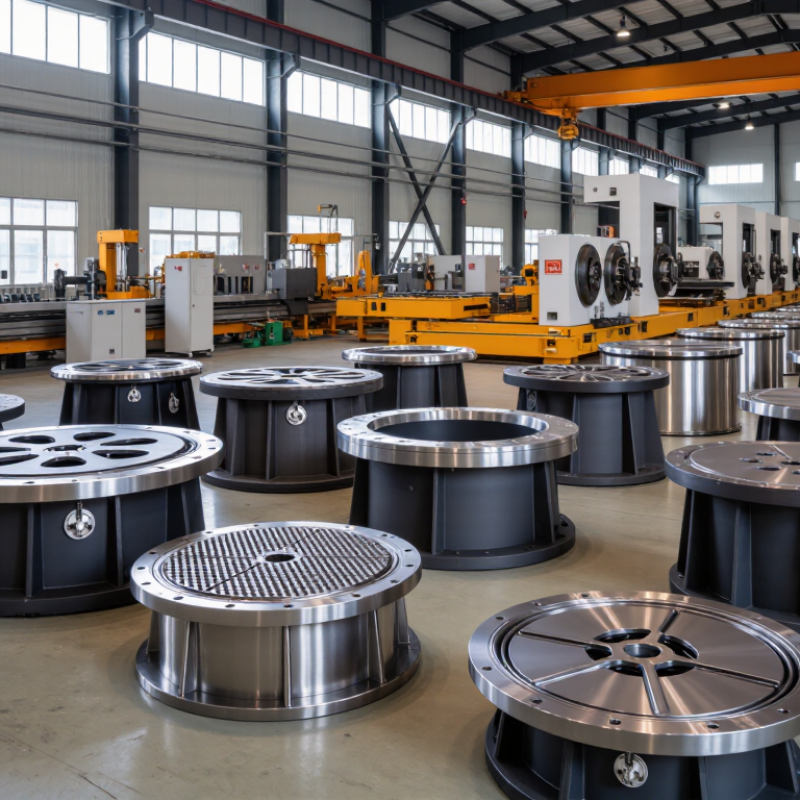
At the factory level, suppliers commonly fall into three groups: injection-molding producers, fabricated metal workshops, and engineering manufacturers. Plastic producers focus on lightweight caps, threaded fittings, and corrosion resistance. Metal workshops handle heavier covers, custom flanges, and reinforced structures. Engineering suppliers often combine design, tooling, testing, and export documentation. The China Plastics Industry Association reported continued growth in advanced plastic processing, supporting stronger capacity for customized components. However, capacity does not always mean consistent quality.
A practical sourcing model uses distributors and trading companies between factories and overseas buyers. They simplify communication, consolidate orders, and arrange inspections. Their margins can also hide the original production source. Reports from the China Federation of Logistics and Purchasing show that manufacturing activity remains closely linked to export demand, but monthly conditions fluctuate. Buyers should therefore check tooling ownership, material certificates, dimensional tolerances, and batch inspection records. ISO 9001 certification helps, but it is not proof of every product’s performance. In field experience, small details matter: a poorly cut thread, a brittle seal, or two millimeters of misalignment can cause installation delays. Supplier rankings need more than online listings.
Which Chinese Well Cap Suppliers Stand Out by Product Range?
China’s strongest well cap suppliers stand out through product range, not catalog size alone. The National Bureau of Statistics reported China’s urbanization rate at 66.16% in 2023. This continuing infrastructure growth supports demand for dependable access covers, drainage lids, and inspection components.
Experienced suppliers usually offer ductile iron, cast iron, galvanized steel, stainless steel, and polymer composite caps. Their ranges may include round, square, hinged, lockable, ventilated, and tamper-resistant designs. Some also provide adjustable frames, sealing gaskets, lifting keys, and anti-slip surfaces.
These details matter on crowded roads, landscaped sites, and wet utility chambers. The Global Infrastructure Hub has repeatedly linked better asset maintenance with lower long-term infrastructure costs. Small design choices can influence replacement work.
Testing is more important than a polished brochure. Buyers should request load-class evidence, coating specifications, dimensional drawings, and batch traceability. EN 124 classifications are commonly used for access covers, while project specifications may require additional local testing.
I would not treat a large product list as proof of competence. Catalogs can be incomplete. Sometimes, the supplier’s real strength appears in one custom mold or a carefully documented sample. That is worth checking. Suppliers with broader material options, reliable tooling, and responsive engineering support generally serve more project conditions, although wider choice can also create inconsistent quality without strict inspection.
How Should You Compare Quality, Certifications, and Customization?
Comparing well cap suppliers in China requires more than checking catalog photos. Examine the resin or metal grade, wall thickness, sealing gasket, and load resistance. Ask for batch records and dimensional inspection reports. A reliable factory should explain how each measurement is controlled.
Certifications need careful reading. ISO 9001 shows a quality management system, but it does not prove every well cap is suitable for drinking water. For potable applications, request relevant material safety testing, such as NSF/ANSI 61 or an accepted equivalent. Confirm the certificate covers the exact model and material. A factory audit can reveal practical details, including clean storage, calibrated tools, and traceable production labels. Small details matter.
Customization should be tested with drawings, not promises. Check bolt patterns, pipe openings, ventilation options, colors, logos, and packaging requirements. Request a sample before approving mass production. Measure the sample yourself. It may differ slightly from the drawing. That is worth discussing early. Ask about mold ownership, minimum order quantities, replacement parts, and lead times. Some suppliers offer impressive prototypes but struggle with consistent sealing or surface finishing. A useful comparison weighs price against documented quality, responsive engineering support, and stable delivery performance. I would also keep a written record of every revision, because memory becomes unreliable when specifications change.
What Should Buyers Know About Pricing, Shipping, and Supplier Verification?
When comparing well cap suppliers in China, buyers should examine the full landed cost, not only the quoted unit price. Pricing changes with material grade, cap diameter, wall thickness, colors, printing, tooling, and order volume. A low quotation may exclude molds, packaging, inspection, or export handling. Cheap quotes mislead. Request an itemized offer with currency, trade terms, minimum order quantity, production time, and payment stages. Samples reveal defects.
Shipping also deserves careful calculation. Ask whether the quotation is EXW, FOB, or delivered to your warehouse. These terms can change the final cost considerably. Confirm carton dimensions, gross weight, pallet use, and loading quantity before booking freight. For ocean shipments, allow time for production, port handling, customs clearance, and possible delays. Air freight is faster but often unsuitable for bulky orders. A written packing list and commercial invoice reduce avoidable problems.
Supplier verification should combine documents with physical evidence. Check the company’s registration details, production address, export experience, and payment account name. Request recent factory photos, a live video tour, and independent quality records when available. A pre-production sample should match the approved drawing and material specification. Third-party inspection can check dimensions, surface finish, threads, and packaging before shipment. Still, verification is not perfect. A polished factory video proves little by itself. I would begin with a small trial order, record every defect, and revise the inspection checklist before scaling up.Winvalid content? No. "well caps" maybe product. Good. Need ensure 150-300. ~223. No markdown. Fine.
| Supplier Profile | Common Product Materials | Typical Applications | Indicative Export Price* | Typical MOQ | Standard Production Lead Time | Common Customization Options | Typical Shipping Method | Indicative Transit Time | Documents and Verification Checks | Best Buying Fit |
|---|---|---|---|---|---|---|---|---|---|---|
| High-volume fiberglass well-cap manufacturer | Fiberglass-reinforced polyester, molded composite, galvanized or stainless-steel hardware | Residential water wells, irrigation wells, rural water systems, utility enclosures | US$18–55 per unit | 100–300 units | 20–35 days after drawing and deposit approval | Diameter, bolt pattern, vent configuration, color, gasket, lock type, private packaging | Sea freight for commercial orders; express courier for samples | Sea: approximately 25–45 days to major ports; courier: 5–10 days | Business license, factory address, material specification, dimensional drawings, sample approval, production photos, pre-shipment inspection | Projects requiring corrosion resistance, moderate weight, and repeat production |
| Heavy-duty fabricated steel well-cap supplier | Carbon steel with hot-dip galvanizing, powder coating, or protective paint | Municipal wells, agricultural pumping stations, industrial groundwater systems | US$35–120 per unit | 20–100 units | 25–45 days, depending on fabrication and galvanizing capacity | Plate thickness, access hatch, lifting handles, hinges, anchor points, anti-tamper bolts, coating system | Sea freight or less-than-container-load shipment | Sea: approximately 25–50 days to major ports | Steel grade, coating thickness report, weld inspection records, load or fit-up test, dimensional inspection, packing list | Buyers prioritizing structural strength, security, and long service life |
| Aluminum precision-fabrication supplier | Aluminum plate or extrusion, stainless-steel fasteners, neoprene or EPDM sealing components | Coastal installations, inspection wells, lightweight service-access covers | US$45–150 per unit | 30–100 units | 25–40 days after final engineering confirmation | Alloy selection, anti-slip surface, anodizing, powder coating, locking system, custom cutouts | Air freight for small urgent orders; sea freight for larger orders | Air: approximately 5–12 days; sea: approximately 25–45 days | Alloy certificate, surface-finish specification, CAD drawing, tolerance report, corrosion-resistance requirements, sample inspection | Projects needing low weight, corrosion resistance, and easier field handling |
| Ductile-iron or cast-metal cover supplier | Ductile iron, cast iron, protective bituminous coating, powder coating, or galvanized components | Roadside utility wells, public infrastructure, high-load service areas | US$40–180 per unit | 50–200 units | 30–55 days, including pattern preparation and casting | Load class, frame design, anti-slip pattern, locking mechanism, drainage details, marking requirements | Sea freight, normally palletized or crated | Sea: approximately 30–55 days to major ports | Load-class documentation, casting-process details, dimensional report, coating report, impact or load test, third-party inspection | Applications where vehicle loading and long-term abrasion resistance are critical |
| Small-batch custom fabrication workshop | Stainless steel, aluminum, galvanized steel, fiberglass, or mixed-material assemblies | Replacement caps, unusual well diameters, pilot projects, engineering prototypes | US$60–250 per unit | 5–30 units | 15–35 days for standard fabrication; longer for new tooling | Fully customized dimensions, mounting holes, vents, seals, locks, labels, and packaging | Express courier or air freight for prototypes; sea freight for repeat orders | Courier: approximately 5–10 days; air: approximately 5–15 days | Approved technical drawing, material certificates, prototype inspection, measurement report, photos before packing, commercial invoice | Buyers testing a design before committing to a high-volume order |
| OEM/ODM engineering-led supplier | Composite, stainless steel, aluminum, galvanized steel, and engineered sealing systems | Large infrastructure programs, distributor private-label products, multi-size product ranges | US$25–180 per unit | 100–500 units, depending on design complexity | 30–60 days for first order; 20–40 days for repeat orders | Product redesign, tooling, private labeling, packaging, installation instructions, multi-size standardization | Sea freight under FOB, CIF, or DAP terms; samples by courier | Sea: approximately 25–55 days; door-to-door timing depends on destination and customs | Engineering drawings, quality-control plan, inspection standard, sample sign-off, supplier audit, export references, payment-term review | Importers seeking a long-term supply program and controlled product consistency |
| Distributor with outsourced production | Usually fiberglass, steel, aluminum, or cast-metal products sourced from multiple factories | Mixed-container orders, replacement parts, small regional distribution orders | US$30–220 per unit | 10–100 units per item | 20–50 days, depending on stock and factory availability | Packaging, product selection, basic color changes, limited dimensional changes | Consolidated sea freight, air freight, or courier | Sea: approximately 30–60 days; air: approximately 5–15 days | Confirm legal entity, actual manufacturing location, traceable factory name, sample-to-bulk consistency, inspection rights, and warranty responsibility | Buyers needing product variety and lower item-level MOQs |
Related Posts
-
2026 Top Types of Well Caps for Global Buyers?
-
Top 10 Well Caps in China for Global Buyers Guide?
-

Best Well Caps for Global Buyers What to Consider?
-
How to Choose the Best Well Caps for Your Water Supply?
-
Best Well Caps for Effective Water Management Solutions?
-
Where to Find Top PVC Supplies in China?