What is a Well Pump Supplies Guide for Homeowners?
When it comes to maintaining a reliable water supply, understanding well pump supplies is crucial for homeowners. Expert Greg Reynolds emphasizes, "Choosing the right well pump supplies can make or break your water system." This highlights the importance of selecting quality components.
Well pump supplies include essential items like pumps, pressure tanks, and control systems. Ignoring these elements can lead to inefficiencies and costly repairs. Homeowners must evaluate their needs carefully. Each household may require different specifications based on water depth and usage.
Moreover, not all supplies are created equal. It’s easy to get overwhelmed with choices. Sometimes, the cheapest option isn’t the best choice. Investing in quality supplies often saves money in the long run. Homeowners should consult with professionals and research thoroughly. Understanding the nuances of well pump supplies can greatly enhance a home's water system.
Understanding the Basics of Well Pumps for Homeowners
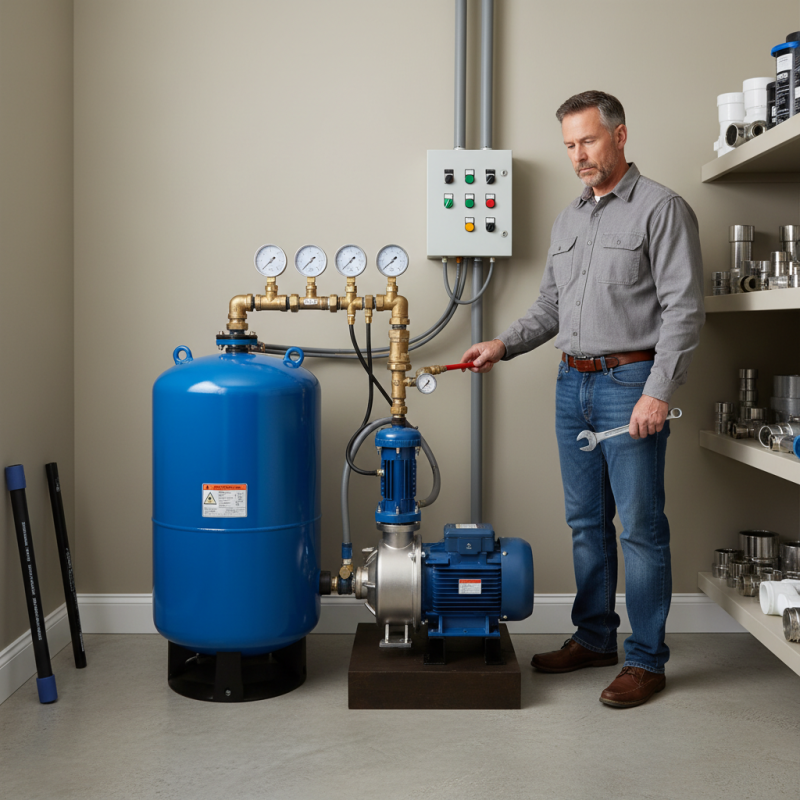
Understanding well pumps is essential for homeowners who rely on groundwater. A well pump draws water from underground sources. It connects directly to the well itself and transports the water to your home.
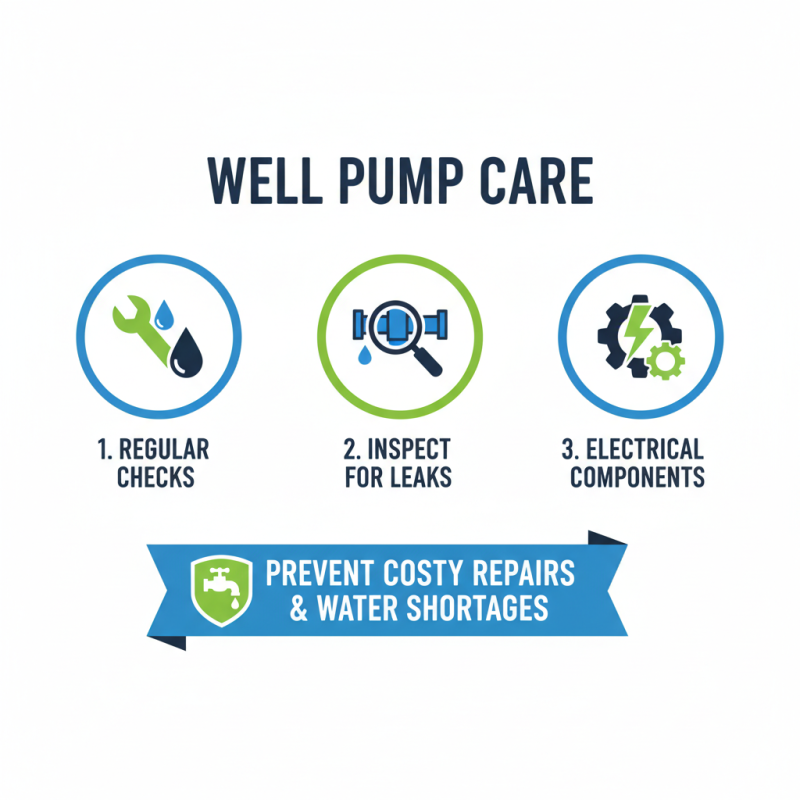
Different types of well pumps are available. Submersible pumps sit underwater, while jet pumps are located above ground. Each type has unique benefits and drawbacks. Choosing a pump can be confusing, and many homeowners overlook maintenance. Regular checks and cleanings can prevent costly repairs.
It's important to know your water needs. Do you have a large family or garden? A higher capacity pump might be necessary. However, oversizing a pump can lead to inefficient energy use. Balancing needs and costs is a common struggle for homeowners. Building a good understanding of well pumps will ultimately save time and resources.
Types of Well Pumps: Selecting the Right One for Your Needs
When choosing a well pump, understanding the different types is crucial.
Submersible pumps are popular in deep wells. They operate underwater, efficiently pushing water to the surface. They are usually quieter but can be more challenging to maintain.
Jet pumps, on the other hand, are ideal for shallow wells. They pull water up rather than push. This method can be simpler to install but may not provide enough pressure for larger homes.
If your water needs fluctuate, a variable speed pump could be a good choice.
These pumps can adjust their speed based on your demand.
It’s important to consider your specific needs. Analyze your household water usage before making a decision.
Budget, installation, and long-term maintenance should not be overlooked.
Finding the right pump can be a trial-and-error process. Don't be discouraged if the first choice isn't perfect; reflection is key to a better fit.
Essential Supplies for Installing a Well Pump at Home
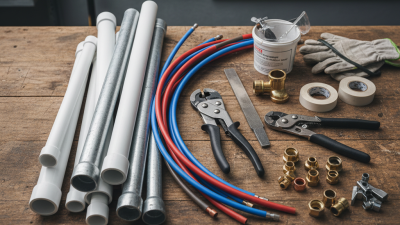
Installing a well pump can be daunting for homeowners. Having the right supplies is crucial. Start with a quality well pump. It determines how effectively water flows. Choose a pump based on your well depth and water needs.
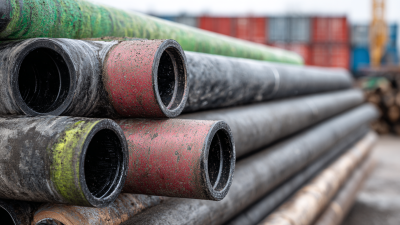
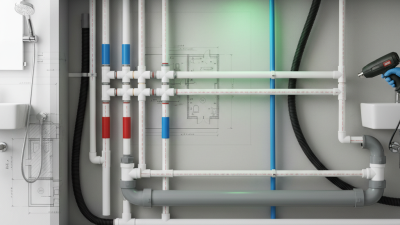
You'll need piping to transport water. Ensure it’s durable and resistant to corrosion. Consider a pressure tank as well. It stabilizes water pressure and ensures consistency. Don’t forget a check valve, which prevents backflow. This keeps your system efficient.
Tools are just as important. A pipe wrench will help with installation. Test your connections for leaks afterward. If problems arise, make sure to reflect on what went wrong. Sometimes, it’s the smallest detail that causes issues. Keeping a list of supplies can help you avoid mistakes.
Well Pump Installation Supplies
Common Issues with Well Pumps and How to Address Them
Well pumps are essential for many homeowners relying on well water. However, they can encounter issues that disrupt water supply. Some common problems include low water pressure, strange noises, and frequent cycling. Low pressure can often stem from a clogged filter or air in the system. Checking the water level in your well can also provide insights into potential problems.
We often overlook the signs of well pump issues. It’s important to remain vigilant. If you hear unusual noises, like grinding or rattling, it may indicate motor or bearing problems. Address these noises quickly to avoid worsening the situation. Furthermore, frequent cycling might mean your pressure switch needs adjustment.
**Tip:** Regular maintenance is key. Clean filters and check electrical connections often.
Another challenge is sediment in the pump. This can affect water quality and flow. Flushing the well and inspecting the pump can help manage this.
**Tip:** Keep a routine to inspect your system every few months. Make notes of any changes to your water quality or pressure. These records will help when diagnosing issues.
Awareness is crucial. Even small changes can indicate bigger problems with your well pump. Stay informed and proactive.