What is a well water pump and how does it work?
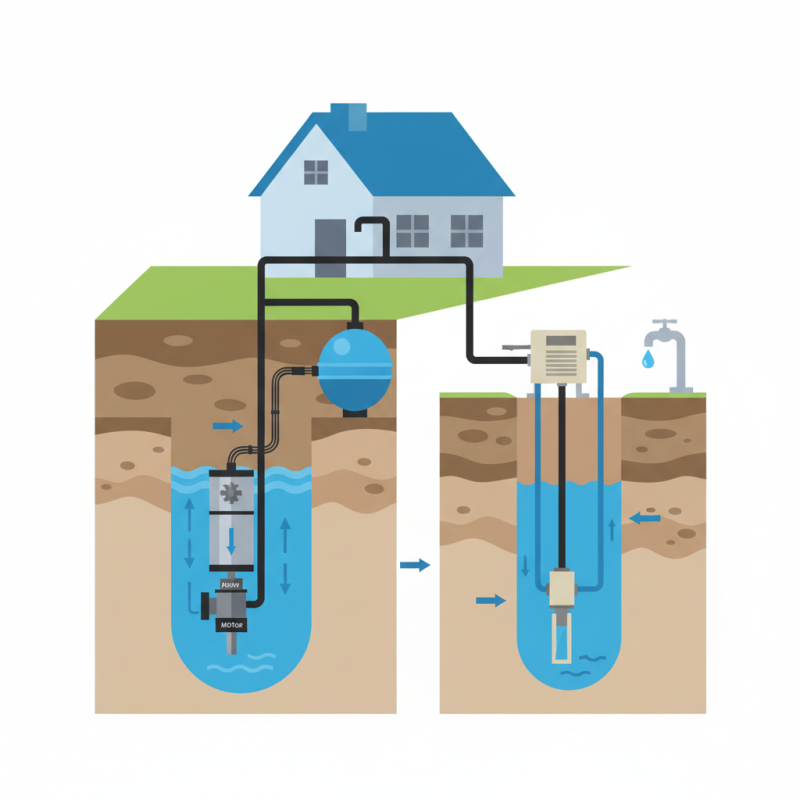
A well water pump is an essential component for many households. It plays a crucial role in bringing water from underground sources to the surface. Understanding its function can help ensure reliable water supply.
These pumps operate on a straightforward principle. They create a vacuum or use pressure to draw water from wells. Different types of pumps exist, like submersible and jet pumps. Each has its own mechanism and suitability depending on the well's depth.
Maintaining a well water pump is vital. Issues can arise, such as low water output or strange noises. Regular checks can prevent worse malfunctions. Homeowners should learn about their pumps to troubleshoot minor problems. However, not everyone is familiar with these systems. This gap in knowledge can lead to unnecessary stress and costly repairs.
What is a Well Water Pump?
A well water pump is essential for sourcing water from underground aquifers. These pumps draw water through a system of pipes, ensuring a steady supply for homes and farms. According to the National Ground Water Association, nearly 15 million households in the U.S. rely on well water. This highlights the importance of reliable pump systems for daily living.
The most common types of well pumps include submersible and jet pumps. Submersible pumps are placed deep in the well, while jet pumps sit above ground. Each has specific strengths. For example, submersible pumps can work efficiently in deep wells, sometimes over 200 feet deep. However, they may fail due to lack of maintenance, which can lead to costly repairs.
Surprisingly, many users overlook the need for regular inspections. A 2021 report from the American Ground Water Trust indicates that about 30% of well systems experience mechanical failure due to poor upkeep. Ignoring warning signs, such as reduced water flow or unusual noises, can be detrimental. By being proactive, homeowners can avoid inconvenient breakdowns and ensure their water supply remains uninterrupted.
Types of Well Water Pumps and Their Uses
Well water pumps are essential for drawing water from underground sources. They come in various types, each serving unique purposes based on the depth of the well and the water demand. Common types include submersible pumps and jet pumps. A submersible pump is placed underwater and pushes water to the surface. This design is efficient for deeper wells and can deliver significant flow rates, often exceeding 30 gallons per minute (GPM).
Jet pumps, on the other hand, are typically used for shallower wells. They work by creating a vacuum to draw water up. Though less efficient than submersible pumps, jet pumps can be easier to maintain. According to recent industry reports, about 60% of homeowners with wells prefer submersible pumps due to their longevity.
It's important to choose the right pump based on your specific needs. Many users overlook this detail. Not every pump is ideal for every scenario. Installation challenges can also arise. Proper sizing can affect pump efficiency and lifespan. A poorly chosen pump may lead to frequent repairs or insufficient water supply. Understanding these nuances is crucial for maintaining a reliable water source.
Types of Well Water Pumps and Their Uses
This chart illustrates the types of well water pumps and their approximate usage frequency. Submersible pumps are the most commonly used, with jet pumps following. Hand, solar, and windmill pumps have significantly lower usage but are essential in specific applications.
How Well Water Pumps Operate: Key Components Explained
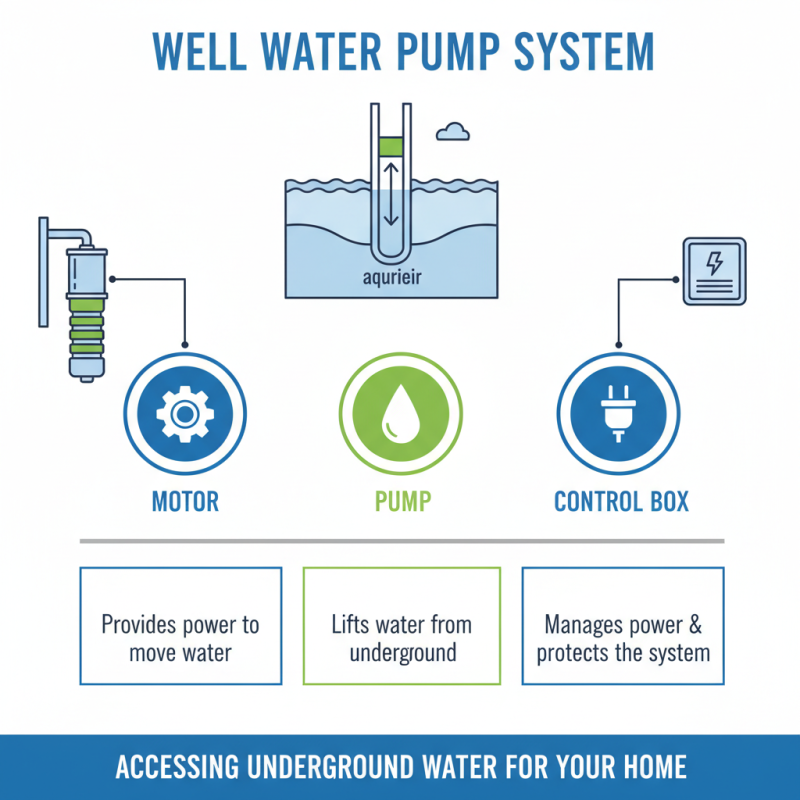
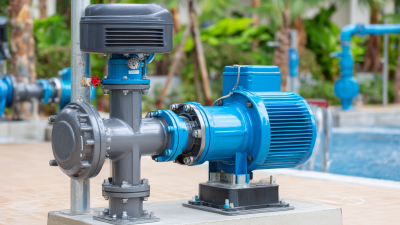
A well water pump is a vital system for accessing underground water. It consists of several key components that work together to deliver water to your home. The main parts include the motor, pump, and control box. Each part plays a specific role in ensuring efficient operation.
The motor powers the pump and creates the necessary suction. This suction draws water from the well and pushes it through pipes. A control box manages the electrical flow, turning the system on and off as needed. However, these systems can sometimes face challenges. For instance, a clogged filter can reduce water flow. Regular maintenance is essential to avoid such problems.
Understanding these components can help homeowners troubleshoot issues. For example, if the water pressure drops, checking the pump and motor may reveal a need for adjustments. Water quality can also vary, prompting further inspections. Every well has unique characteristics, making it crucial to adapt maintenance practices accordingly.
Installation Process of a Well Water Pump
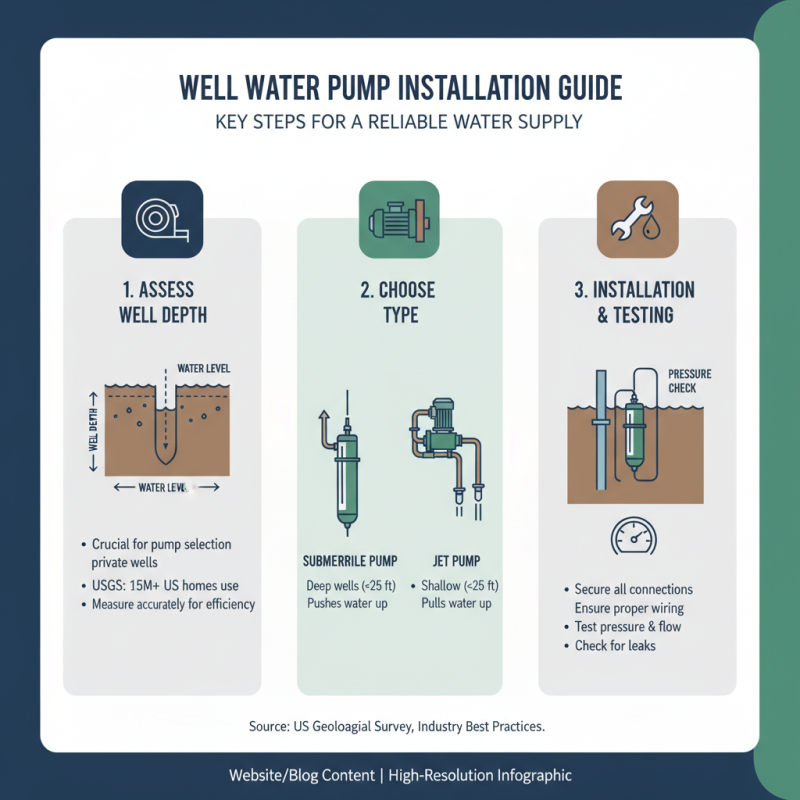
Installing a well water pump involves several key steps that require attention to detail. First, it's essential to assess the depth of the well. According to the U.S. Geological Survey, over 15 million households rely on private wells for water supply. Understanding your well depth helps in selecting the right pump type. Common types include submersible and jet pumps, each designed for specific depths and flow rates.
Once the right pump is chosen, site preparation is critical. This includes ensuring a clean installation area. A contaminated site can lead to future water quality issues. The National Ground Water Association states that proper well maintenance can extend its life and efficiency. For example, positioning the pump above the water level prevents contaminants from entering. During installation, secure all electrical connections for safety. Improper wiring can lead to inefficiency or equipment failure.
After installation, regular inspections and maintenance are crucial. Pumps should be tested annually to ensure they move water effectively. Neglect can result in decreased water pressure or pump burnout. Ultimately, knowing the specifics of your well water system is essential for a successful installation and long-term performance.
Maintenance Tips for Well Water Pumps
Well water pumps are crucial for accessing underground water. To prolong their lifespan, regular maintenance is essential. Checking the electrical connections regularly can prevent operational issues. Loose wires can lead to inefficiency. You should inspect the pump for any signs of wear or rust.
Changing the filters often is another key maintenance step. Clogged filters can reduce water flow. It’s also important to clean the tank and eliminate any sediment buildup. Many overlook this, but it can affect water quality. Listening to unusual noises can help catch problems early.
Keep an eye on the water pressure. Irregular pressure can indicate a malfunction. Regularly testing the water for quality is crucial. Contaminants can pose health risks. You might need professional help if issues arise. It’s easy to forget these details, but they are vital for smooth operation.