What Are Well Supplies?
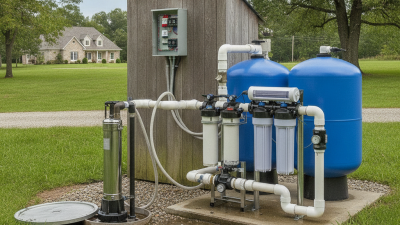
A private water well is more than a hole in the ground. It is a working system that lifts, stores, and delivers water to a home or property. The well supplies needed to support that system may include a pump, casing, cap, pressure tank, electrical controls, pipes, and water-treatment equipment. Each part has a job. A pressure tank, for example, helps maintain usable flow when someone opens a tap.
The category is not perfectly neat. Some suppliers use “well supplies” for installation parts; others include replacement components, testing materials, and treatment products. The right equipment depends on well depth, water demand, local geology, and test results. A shallow well and a deep drilled well may need very different pumps. Guesswork can be expensive.
The U.S. Geological Survey’s 2020 report, Estimated Use of Water in the United States in 2015, estimated groundwater withdrawals at 82.3 billion gallons per day nationwide. That figure covers many uses, not just household wells, but it shows groundwater’s importance. For a property owner, the practical question is smaller: which components keep this particular water system dependable? Reliable answers start with system records, water testing, and advice from qualified well professionals. Not guesswork. Even careful owners may overlook a worn cap or an aging pressure switch. That is worth reflecting on: routine checks can reveal small problems before they interrupt water service.
What Well Supplies Are and How They Support a Water Well
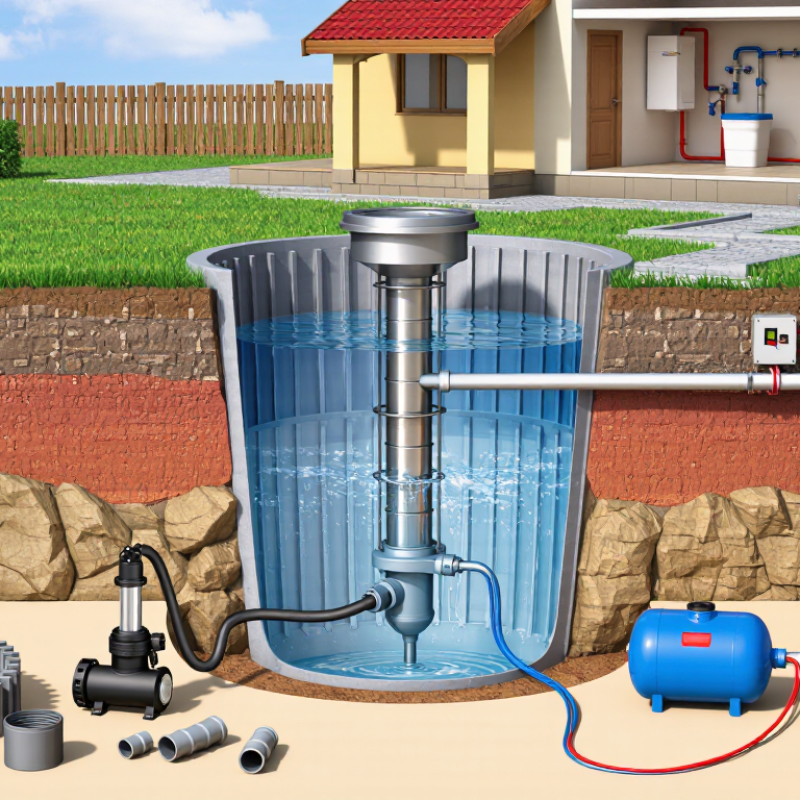
Well supplies are the components that help a water well collect, move, store, and deliver water. They include the casing and screen, which support the borehole and keep sediment from entering, along with a pump, drop pipe, and electrical controls. At the wellhead, a sealed cap helps keep insects, debris, and surface water out. A pressure tank stores water under pressure, so a faucet can run without the pump starting every second.
Each part has a practical job. A check valve helps prevent water from flowing backward, while properly sized piping limits friction and pressure loss. Filters or other treatment equipment may be needed if water tests show specific concerns; clear water is not necessarily safe water. Fit matters. Pump selection depends on well depth, measured yield, and household demand, not just the number of bathrooms. A technician can check these conditions and inspect connections for leaks or corrosion. I’ve seen people focus on the pump and overlook a poorly sealed cap; that small detail deserves more attention. It is easy to miss. Routine water testing and maintenance help reveal problems before changes in taste, cloudy water, or low pressure become persistent.
What Are Well Supplies? How They Support a Water Well
A pressure switch turns the well pump on when pressure reaches the cut-in point and off at the cut-out point. The settings below show two common configurations; actual settings depend on the well system and pressure tank.
Main Categories of Well Supplies and Their Uses
What Are Well Supplies?
Main Categories of Well Supplies and Their Uses
Well supplies include the parts that protect a water source, move water, and help keep its quality consistent. Casing lines the drilled opening and helps limit the entry of soil and debris. A well screen allows water to pass through while holding back sand and fine particles. The screen’s opening size should suit the surrounding formation; guessing can lead to sediment problems.
Pumps lift water to the surface, while drop pipes carry it toward the pressure tank and plumbing system. Pressure tanks reduce frequent pump cycling, and switches help control when the pump runs. Small fittings matter, too. A missing adapter can delay installation. Well caps and sanitary seals help keep insects and surface contaminants out. Treatment supplies, such as sediment filters or disinfection equipment, address specific water-quality concerns, but testing should guide their selection. More equipment is not always better. A practical supply list matches the well’s depth, yield, water test results, and household demand, with local professional advice where conditions are unclear.
How Well Supplies Work Together in a Well System
What Are Well Supplies?
A well system works as a chain, not a collection of unrelated parts. The well casing supports the borehole and helps keep surface material out. A screen, where needed, lets groundwater enter while limiting sand and sediment. Below ground, a pump lifts water through a pipe toward the home. Every connection matters.
At the surface, a pressure switch senses when pressure drops and signals the pump to run. The pressure tank stores a small reserve, reducing frequent starts and stops. Then water moves through household plumbing, and any filters or treatment equipment handle specific water-quality concerns.
Small details count. A clogged filter can reduce flow; a failing pressure switch may cause irregular cycling. No two wells are exactly alike, and that is easy to forget when troubleshooting.
Checking the pump, wiring, tank pressure, and water quality takes proper tools and care. If something seems wrong, a qualified well professional can inspect the system and help identify the cause. Regular water testing also shows whether treatment is needed, rather than guessing from taste or appearance.
Factors to Consider When Choosing Well Supplies
What Are Well Supplies?
Factors to Consider When Choosing Well Supplies
Choosing well supplies starts with the well itself, not a shopping list. Measure its depth, static water level, and expected yield. A pump that is too small may struggle during busy periods. An oversized one can cycle frequently and wear parts sooner. Ask a qualified well contractor to confirm these figures before selecting equipment. Small details matter.
Water quality should guide material choices. Sand, acidity, hardness, or corrosive minerals can shorten the life of pipes, screens, and pump components. Request a recent water test, then match materials to the results and local conditions. It depends. Consider corrosion-resistant components where appropriate. Do not assume clear water is clean. It can still contain dissolved substances.
Check compatibility across the whole system: pump capacity, pipe diameter, pressure tank, switches, and wiring must work together. Think about repair access, spare-part availability, and winterization if freezing is possible. A lower purchase price may hide higher energy or maintenance costs. Yet the most expensive option is not automatically best. Compare specifications, warranties, and service support, and ask what routine checks are needed. Well systems vary, so some choices may need revisiting after a season of use.
Inspection and Maintenance of Well Supplies
What Are Well Supplies? Inspection and Maintenance of Well Supplies
A reliable well depends on more than its pump. The casing, sanitary cap, wiring, pressure tank, pipes, and treatment components all need periodic attention. Look for a cracked cap, loose conduit, rust, damp soil, or pooling water near the wellhead. These details can point to damage or a leak, but they do not confirm the cause. Small clues matter. Keep dated notes and photos so changes are easier to spot. Have a qualified well professional inspect components you cannot safely reach or assess.
Tips: Keep the wellhead clear of stored items and vegetation. Check that the cap is secure after storms or nearby work. Never enter a well pit or handle exposed electrical connections.
Maintenance should follow the equipment maker’s guidance and local health recommendations. Ask a qualified professional to check pump operation, pressure readings, tank condition, and visible plumbing. If water taste, odor, or clarity changes, arrange appropriate water testing; clear water is not always safe. Keep service and test records together. Some checks may seem minor, and I used to overlook them, but a simple log can reveal a recurring pressure drop or unusual sediment. Don’t adjust unfamiliar controls just to see what happens.