
Request A Quote

Phone: 416-244-6476
Email:

    Why Choose an Outdoor Steel Enclosure Box?

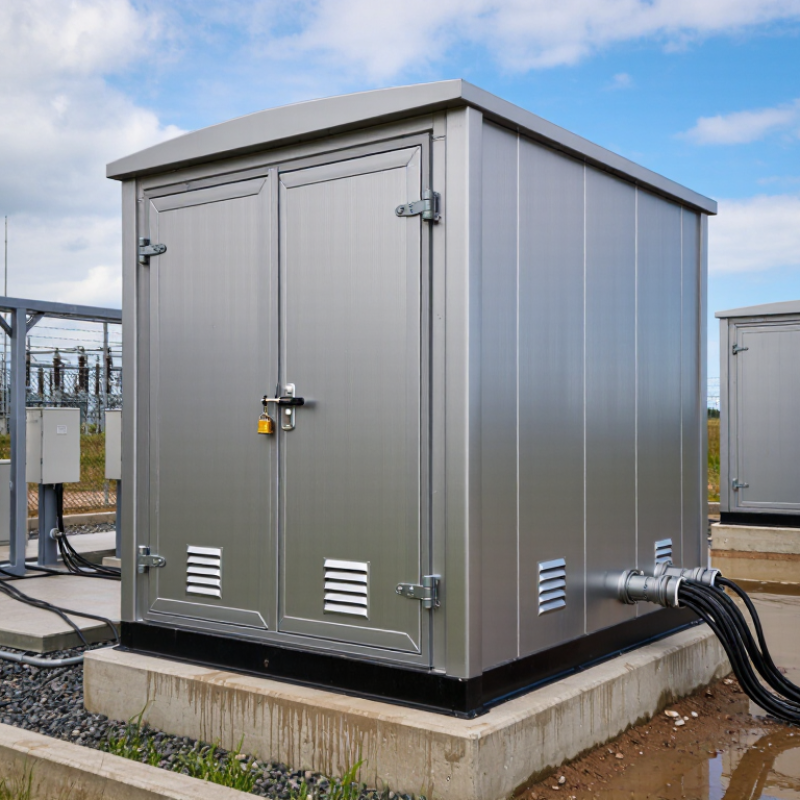
    Outdoor electrical equipment faces rain, dust, ultraviolet exposure, temperature swings, and accidental impact. These conditions can turn a small enclosure weakness into equipment failure, costly downtime, or unsafe maintenance. An Outdoor Steel Enclosure Box offers a practical barrier for control panels, power distribution units, batteries, and communication hardware. Its rigid steel body resists impact better than many lightweight alternatives. Proper coating also helps protect against moisture and corrosion.

    Industry guidance supports careful enclosure selection. NEMA 250 defines enclosure types according to protection against rain, dust, hose-directed water, and other environmental hazards. IEC 60529 classifies ingress protection through IP ratings, helping engineers match products with actual site conditions. Grand View Research’s electrical enclosures market analysis identifies industrial automation, energy infrastructure, and outdoor equipment expansion as important market drivers. These trends show why enclosure performance now matters beyond simple component storage.

    Still, steel is not automatically the best answer. Poor sealing, untreated cut edges, or incorrect cable glands can create failure points. A thick cabinet cannot compensate for weak installation practice. In coastal areas, salt exposure may demand stainless steel or specialized powder coatings. In high-heat locations, ventilation and thermal calculations remain essential. That is the part many product comparisons miss. Reliable selection should consider NEMA or IP ratings, wall thickness, locking hardware, grounding, drainage, and maintenance access. Field experience often reveals the difference: water collecting beneath a cable entry, or a door gasket hardening under sunlight, can decide whether equipment survives another season.
    Why Choose an Outdoor Steel Enclosure Box?

    Outdoor Risks: NEMA 250 Classifies Enclosures by Environmental Protection

    An outdoor steel enclosure box must handle more than sunlight and occasional rain. NEMA 250 provides a practical framework for judging environmental protection. Its enclosure types describe exposure to water, dust, ice, corrosion, and temporary submersion.

    For example, Type 3 protects against windblown dust, rain, sleet, and snow. Type 3R mainly addresses falling rain, sleet, and snow, but it does not provide the same dust protection. Type 4 adds protection against windblown dust, splashing water, and hose-directed water. Type 4X also considers corrosion, which matters near coastlines, chemical areas, and deicing roads. Type 6 and Type 6P are designed for temporary or prolonged submersion under defined conditions.

    Details matter.

    In field inspections, I look at door gaskets, drain paths, hinges, fasteners, and coating damage. A thick steel wall means little if the seal is compressed unevenly. A painted surface may also fail early after scratches expose the metal beneath. NEMA ratings describe tested enclosure performance, not unlimited outdoor durability. The installation site still deserves careful review. Temperature changes, condensation, salt deposits, and poor mounting can weaken protection over time. It is tempting to select the strongest-looking box, but the correct NEMA type should match the actual hazard, not just the product’s appearance.

    Steel Selection: Compare Galvanized, 304, and 316 Stainless Grades

    An outdoor steel enclosure box protects wiring, controls, and sensitive equipment from rain, dust, and accidental impact. The steel grade determines how well it performs after years of exposure. Galvanized steel uses a zinc coating to slow corrosion. It suits sheltered industrial areas and many ordinary outdoor installations. Scratches can expose the base steel, however. Cut edges and drilled holes need careful protection.

    304 stainless steel offers stronger corrosion resistance without the cost of higher-grade alloys. It performs well in urban areas, workshops, and locations with regular moisture. Its clean surface also makes inspection easier. Salt air changes the decision. Chlorides can attack 304, especially around fasteners and welded joints. I have seen small rust marks begin there, not on the broad panels.

    316 stainless steel contains molybdenum, which improves resistance to salt spray and many chemical contaminants. It is often the safer choice near coastlines, wastewater facilities, and frequent washdown areas. Still, 316 is not invincible. Trapped moisture, poor drainage, and contaminated tools can cause staining or localized corrosion. Enclosure selection should consider exposure, maintenance access, gasket condition, and coating damage. A less expensive galvanized box may be reliable in a dry inland setting, while 304 may be unnecessary there. My own choice would change after inspecting the site, because laboratory comparisons cannot capture every real drainage problem.

    Why Choose an Outdoor Steel Enclosure Box? - Steel Selection: Compare Galvanized, 304, and 316 Stainless Grades

    Selection Factor Galvanized Steel 304 Stainless Steel 316 Stainless Steel
    Material structure Carbon steel protected by a zinc coating, commonly applied by hot-dip galvanizing or electrogalvanizing. Austenitic chromium-nickel stainless steel with a minimum chromium content of about 18% under common specifications. Austenitic chromium-nickel-molybdenum stainless steel; molybdenum improves resistance to chlorides and some industrial chemicals.
    General outdoor corrosion resistance Good in many rural and light urban environments. The zinc layer provides sacrificial protection to exposed steel. Very good for typical outdoor exposure, especially where a clean appearance and low routine maintenance are required. Excellent for severe outdoor exposure, including many coastal and chemically aggressive environments.
    Salt and chloride exposure Limited to moderate performance. Salt spray and persistent moisture gradually consume the zinc coating. Better than galvanized steel in many conditions, but pitting or crevice corrosion can occur in high-chloride environments. Best of the three for chloride exposure because molybdenum improves resistance to localized pitting and crevice corrosion.
    Resistance to localized damage Scratches can expose the base steel, although nearby zinc can provide limited sacrificial protection. The chromium-rich passive film can reform when the surface is clean and supplied with oxygen; contamination and crevices remain concerns. Offers improved protection against pitting and crevice corrosion, but proper design and cleaning are still important.
    Appearance and finish Dull gray or spangled zinc finish; appearance changes as the zinc develops a protective patina. Bright, satin, brushed, or polished finishes are available and are widely used where appearance matters. Similar finish options to 304, with better suitability for harsh marine or industrial surroundings.
    Fabrication and welding Carbon steel is generally easy to form and weld. Welding or cutting galvanized parts requires ventilation and appropriate zinc-fume controls. Good formability and weldability. Heat-affected areas may require cleaning or passivation to restore corrosion resistance. Good formability and weldability, but fabrication should avoid iron contamination and should use suitable stainless welding practices.
    Maintenance needs Inspect coating damage, edges, fasteners, and drainage points; touch-up or replacement may be needed as the zinc layer is consumed. Usually low maintenance; periodic washing removes dirt, road salt, and deposits that can promote staining or corrosion. Low maintenance, but regular freshwater rinsing is advisable in marine or salt-contaminated locations.
    Relative material cost Typically the lowest initial material cost of the three options, depending on coating thickness and fabrication requirements. Typically higher than galvanized steel because of alloying elements and finishing requirements. Typically the highest initial material cost because of its nickel and molybdenum content.
    Best-suited environments General outdoor utility installations, construction sites, agricultural areas, and locations with controlled moisture and limited salt exposure. Urban infrastructure, commercial facilities, food-service areas, light industrial sites, and normal outdoor applications. Coastal installations, marine-adjacent sites, wastewater facilities, chemical-processing areas, and locations exposed to de-icing salts.
    Key limitation The zinc coating is a consumable protective layer and is less suitable for continuous saltwater, high-humidity, or aggressive chemical exposure. Not immune to chloride-induced pitting or crevice corrosion; avoid stagnant deposits and contact with carbon-steel contamination. Higher cost does not eliminate corrosion risk; concentrated chemicals, poor drainage, contamination, and unsuitable fasteners can still cause failure.
    Practical selection guidance Choose when budget efficiency and general outdoor protection are the main priorities. Choose as a balanced option when appearance, durability, fabrication, and ordinary outdoor corrosion resistance are important. Choose when chloride exposure, coastal conditions, or aggressive industrial surroundings justify the additional material cost.

    Note: Actual service life depends on enclosure design, coating or surface finish, drainage, fastener selection, pollutant levels, chloride concentration, temperature, and maintenance practices.

    Sealing Performance: Decode IEC 60529 IP66 and IP67 Ratings

    Why Choose an Outdoor Steel Enclosure Box?

    An outdoor steel enclosure box earns its place where dust, rain, and accidental splashing threaten electrical equipment. Steel provides mechanical strength and helps protect sensitive components from impact. But the metal alone does not create a sealed enclosure. Seams, hinges, locks, gaskets, and cable entries can become weak points.

    Sealing performance is measured through the IEC 60529 IP code. The first digit, 6, means the enclosure is dust-tight. No dust should enter during the specified test. The second digit, 6, confirms protection against powerful water jets from different directions. This suits exposed walls, service areas, and equipment near heavy rain or washdown zones.

    IP67 adds temporary immersion protection. Testing generally covers immersion up to one metre for 30 minutes. However, IP67 does not automatically confirm IP66 water-jet resistance. Look for a combined IP66/IP67 rating when both conditions matter. Small detail. It matters in practice.

    Field inspections often reveal a simple problem: installers focus on the box but overlook cable glands and damaged gaskets. A perfect enclosure can fail after one poorly tightened entry. Outdoor steel also needs suitable corrosion protection, especially near salt air or industrial moisture. I would not treat an IP rating as permanent. Check seals during maintenance, because aging, distortion, and repeated opening can reduce real-world protection.

    Impact and Safety: Apply IEC 62262 IK10 and UL 50E Requirements

    An outdoor steel enclosure box must withstand more than rain and sunlight. It may face dropped tools, maintenance carts, hail, or accidental impacts near walkways. IEC 62262 IK10 testing evaluates resistance to external mechanical impact at 20 joules. That level represents a serious strike, not ordinary handling. A robust door, reinforced mounting points, and secure hinges help preserve protection after impact. The steel should resist deformation around cable entries and locking areas.

    UL 50E requirements add practical environmental considerations for outdoor enclosures. Depending on the intended installation, the enclosure may need suitable protection against water, dust, corrosion, and temperature exposure. Correct sealing, drain provisions, and compatible cable fittings matter as much as the metal thickness. Field inspections should check gasket compression, door alignment, and fastener condition. Small gaps can undermine a well-designed box.

    No enclosure is invulnerable. One design assumption deserves review: IK10 performance does not automatically prove complete outdoor suitability. Likewise, a weather-resistant enclosure may still fail if installed with poor penetrations or unsupported cables. Engineers should match the tested construction to the actual site, including impact direction, mounting height, cleaning methods, and local exposure. It is easy to overlook maintenance access. That oversight can become expensive.

    Lifecycle Value: Balance Thermal Control, Corrosion Resistance, and Cost

    Why Choose an Outdoor Steel Enclosure Box?
    Lifecycle Value: Balance Thermal Control, Corrosion Resistance, and Cost

    An outdoor steel enclosure earns its value over years, not at purchase. In field inspections, heat damage often appears before visible rust. Direct sun can raise internal temperatures quickly. Sensitive controls then age faster. A well-designed enclosure uses ventilation, heat exchangers, or cooling units matched to the actual thermal load. Oversizing is tempting. It can waste energy and maintenance budget.

    Corrosion resistance deserves equal attention. A sound coating system, sealed joints, and suitable hardware slow moisture and salt damage. Drainage matters too. Water trapped around a door flange can defeat an otherwise strong finish. Local climate changes the decision. Coastal air, winter road salt, and industrial dust require different protection levels. Material selection should follow exposure data, not habit.

    Cost is more than the cabinet invoice. Include energy use, inspections, replacement parts, downtime, and technician hours. A cheaper box may become expensive after repeated repainting or failed seals. Still, premium protection is not automatically wiser. I have seen projects over-specify coatings where the site was dry and sheltered. That money could have improved thermal monitoring or spare parts. Review service life, failure consequences, and maintenance access together. Leave room for doubt. Conditions change.