How to Choose the Right Well Pipe for Your Water Supply Needs?
Choosing the right well pipe for your water supply is crucial. As expert James Reynolds states, "The right well pipe can make or break your water quality." The selection process requires careful consideration of your specific needs, including depth, material type, and intended use.
Different well pipe materials offer various advantages. Steel pipes are durable and sturdy, while PVC pipes are lightweight and resistant to corrosion. Each option has its pros and cons, which can significantly impact water flow and quality. It’s important to avoid generalizations. Assess your individual situation before deciding.
Missteps in selection can lead to costly repairs or poor water quality. Consulting with professionals can provide valuable insights. A knowledgeable expert can help tailor solutions to fit your unique water supply needs. Selecting the right well pipe means understanding both the technical details and your specific requirements.
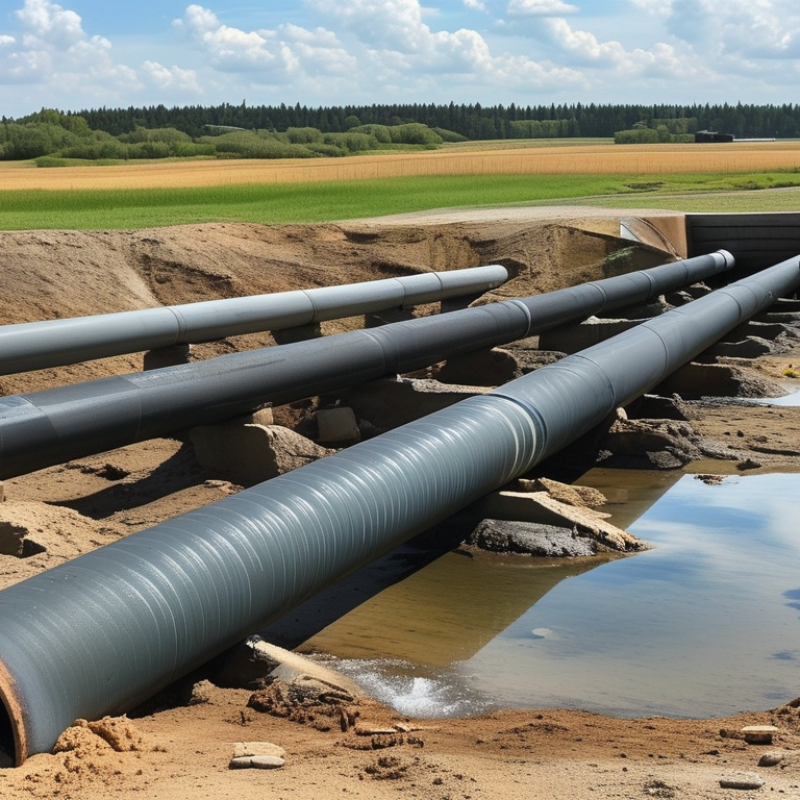
Understanding Different Types of Well Pipes Available in the Market
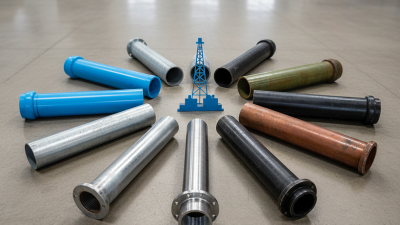
When selecting well pipes for water supply, understanding the different types is crucial. The market offers several materials, each with unique characteristics. PVC pipes are lightweight and cost-effective, suitable for shallow wells. However, they may degrade over time under certain conditions. Steel pipes, while robust, can be prone to corrosion unless properly coated. A recent industry report indicated that approximately 65% of well installations utilize PVC due to its affordability and ease of installation.
Consider the depth of your well when choosing a pipe. For deeper wells, stainless steel provides durability and resistance to corrosion. It is an investment, though. Alternatively, composite pipes combine strengths of both PVC and steel, making them an attractive option. They minimize the risks of cracking and corrosion, catering to various water conditions.
**Tip:** Always evaluate the local soil and water quality. These factors greatly influence the longevity of your well pipe. Soil acidity or salinity can affect pipe choice.
**Tip:** Regular inspections can catch early signs of wear. A proactive approach saves costs in the long run.
Understanding the properties of well pipes can significantly affect system performance. It’s essential to keep in mind that choosing the right material can influence water quality and overall system longevity.
Factors to Consider When Selecting Well Pipes for Water Supply
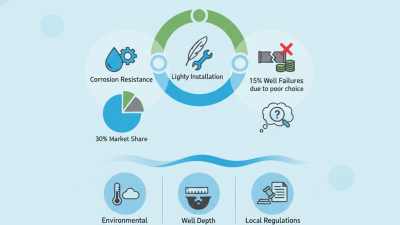
Choosing the right well pipe is crucial for effective water supply. Several factors influence this decision. Water quality is a primary consideration. You need to determine if your water has a high acidity level or contains sediments. These factors can damage certain pipe materials over time.
Another important aspect is the diameter of the pipe. A report from the Water Research Foundation indicates that a larger diameter can improve flow rates, especially in areas with low groundwater levels. However, wider pipes can be more expensive and challenging to install. Additionally, consider the depth of your well. Deeper wells may require stronger, more durable materials to withstand pressure.
Material types should not be overlooked. PVC and steel are common options, each with pros and cons. While PVC is lightweight and resistant to corrosion, it may not handle extreme temperatures well. Steel offers durability but can rust. Balancing cost, durability, and installation ease is essential. Reflect on your specific water needs to make an informed choice.
Evaluating the Material Choices for Well Pipes and Their Durability
Choosing the right well pipe material is crucial for your water supply needs. Several materials are commonly used, each with unique characteristics. PVC, for instance, is lightweight and resistant to corrosion. However, it may not be the best choice for deeper wells due to pressure concerns. Steel pipes provide durability but can corrode over time if not properly maintained.
Another option is copper, known for its longevity and resistance to bacterial growth. Yet, the higher cost can be a drawback for some homeowners. Each material has its advantages and disadvantages that require careful consideration. Evaluating the specific water quality and environmental factors is essential in making a wise choice.
Failure to choose appropriately can lead to costly repairs or even water contamination. Pipes that withstand pressure fluctuations tend to perform better, but they might be pricier. Long-term benefits often outweigh initial costs, but budgets can limit choices. Understanding these nuances will lead to a more informed decision for your well needs.
Choosing the Right Well Pipe Material: Durability Comparison
Assessing Well Depth and Water Table Levels for Pipe Selection
When choosing the right well pipe for your water supply needs, understanding well depth and water table levels is crucial. A well’s depth varies widely, typically ranging from 10 to 1,000 feet, influenced by local geology. The average depth for domestic wells in the U.S. is approximately 150 feet, according to the National Ground Water Association. Proper assessment of the water table is vital, as inaccuracies can lead to inefficient water supply and increased costs.
Tips: Measure the water table regularly to adjust your pipe selection. Use methods like the water level indicator for accuracy. It’s important to note that fluctuations in the water table can affect your system's efficiency.
Moreover, different pipe materials withstand varying pressure levels. PVC pipes are often preferred for shallow wells due to their durability. Conversely, stainless steel pipes are ideal for deeper wells. According to industry guidelines, failures due to improper pipe selection can lead to costly repairs. Regularly review your water supply requirements to ensure compliance with local regulations. Groundwater levels can also be seasonal, which makes ongoing monitoring essential.
Cost Implications and Installation Requirements of Well Pipes
Choosing the right well pipe for your water supply has significant cost implications. Typically, well pipes can range from $5 to $30 per foot, depending on material and diameter. PVC pipes are often cheaper but may not withstand high pressure. Metal pipes, while more expensive, offer durability and longer lifespan. Understanding your specific needs is crucial. Consult with experts to avoid unnecessary expenses.
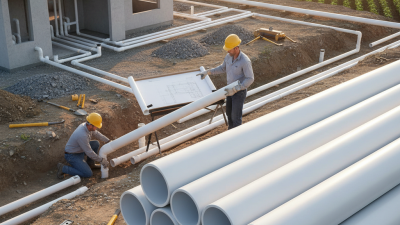
Installation costs also vary greatly. A poorly installed well pipe can lead to water contamination, resulting in costly repairs. Some homeowners may spend up to $5,000 on installation alone. Proper planning can mitigate these costs. The depth of the well and local regulations can impact installation requirements significantly.
When selecting pipes, consider the total cost of ownership. Maintenance should also factor into your decision. A pipe's performance over time can lead to hidden expenses. The right choice strikes a balance between upfront costs and long-term reliability. Always seek advice from industry professionals to make informed decisions.