Request A Quote

Phone: 416-244-6476
Email:

    China Top Plastic Tube Manufacturers for Global Buyers

    Sourcing a plastic tube from China can look simple until specifications, testing, and delivery schedules meet real production conditions. Global buyers need more than a supplier list. They need practical evidence of manufacturing capability, quality control, and communication reliability.

    This guide introduces leading Chinese plastic tube manufacturers serving international markets. It considers extrusion equipment, material selection, printing accuracy, cap assembly, and packaging methods. It also examines experience with cosmetic, medical, pharmaceutical, food, and industrial applications. Each sector demands different controls. A soft tube for hand cream may require excellent surface printing, while a pharmaceutical tube needs stricter documentation and traceability.

    Details matter. Factory audits, product samples, technical drawings, and test reports can reveal more than attractive websites. Buyers should review production capacity, minimum order quantities, mold ownership, lead times, and corrective-action procedures. Certifications may support credibility, but they should match the actual product and facility. They should not replace independent verification.

    No directory is perfect. Supplier performance can change with new equipment, staff, or raw-material sources. That is why this overview encourages direct questions and sample testing before commercial orders. A reliable manufacturer should explain tolerances clearly, identify possible defects, and respond when specifications need revision. Good sourcing is not only about finding a low price. It is about building a measurable supply relationship with fewer surprises. That takes patience. It also requires careful judgment from both sides.
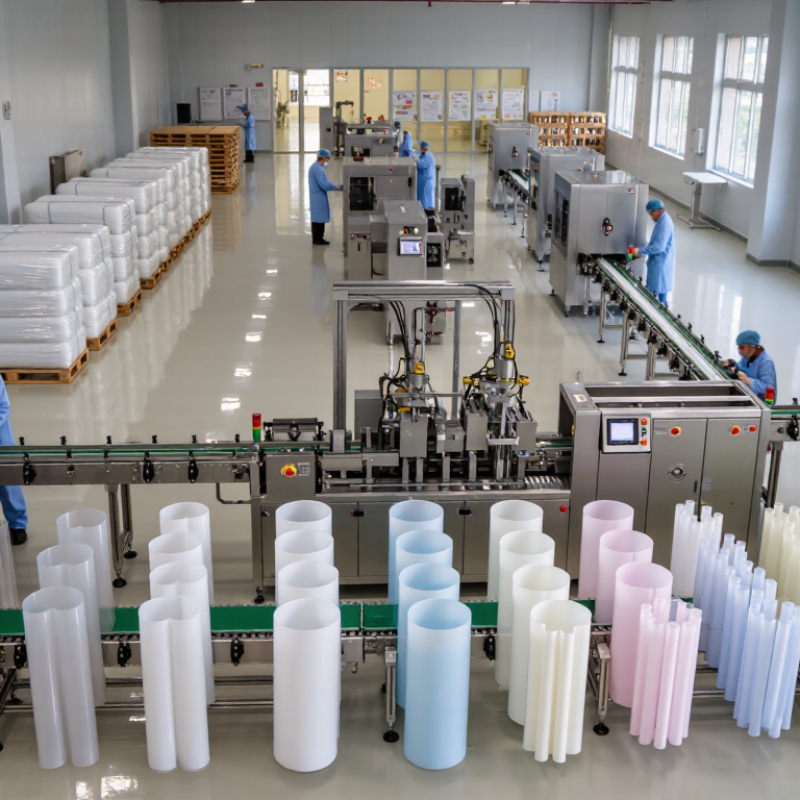
    China Top Plastic Tube Manufacturers for Global Buyers

    What Plastic Tubes Are and Why China Is a Major Manufacturing Hub

    Plastic tubes are hollow containers made from materials such as polyethylene, polypropylene, aluminum, or multilayer films. They may be soft enough to squeeze or firm enough to protect sensitive contents. Their forms include collapsible tubes, rigid tubes, sample tubes, and dispensing tubes.

    A tube is simple. Yet dimensions matter. Wall thickness affects strength, flexibility, and product protection. The opening size controls filling speed and user experience. Closures can include flip-top caps, screw caps, or pump systems.

    These details serve personal care, household, medical, food, and industrial applications. A suitable tube must resist cracking, leaking, odor transfer, and chemical interaction. Small errors can become expensive returns.

    China is a major manufacturing hub because it combines resin supply, extrusion equipment, mold production, printing, and assembly within broad industrial networks. Many factories can adjust tube diameter, shoulder shape, barrier layers, color, and decoration for different markets. Large production volumes can also reduce tooling and unit costs. However, lower prices do not automatically prove reliable quality. The process is not flawless. Global buyers should review material specifications, migration or compatibility tests, dimensional samples, and batch inspection records. Factory audits can reveal storage problems, inconsistent cleanliness, or weak process control. Clear drawings and written acceptance standards prevent avoidable disputes. Buyers should also confirm packaging, shipping conditions, and destination-market requirements before production. Suppliers need evidence, not promises.

    Types of Plastic Tubes Offered by Chinese Manufacturers

    Chinese manufacturers offer several plastic tube types for global buyers, each suited to different products and filling conditions. Low-density polyethylene tubes are soft, flexible, and easy to squeeze. They work well for lotions, creams, gels, and household liquids. High-density polyethylene tubes feel firmer and resist deformation during transport. Polypropylene tubes provide better heat resistance and a clean, smooth appearance.

    Some suppliers also produce multilayer tubes with barrier layers. These structures can reduce oxygen, moisture, or light exposure. They are useful for sensitive creams, pastes, and formulations with strong aromas. Laminated tubes combine plastic with thin barrier materials, while co-extruded tubes form several layers during production. The choice affects shelf life, printing quality, recycling options, and cost.

    Not every tube fits every product. That sounds obvious, yet buyers sometimes select packaging by appearance alone. Experienced manufacturers usually check wall thickness, shoulder strength, cap torque, leakage resistance, and chemical compatibility. I recommend testing filled samples under heat, cold, pressure, and repeated squeezing. Small details matter. A cap may loosen, or a nozzle may dispense unevenly. Reliable factories should provide material specifications, dimensional reports, and batch records. They should also explain what changes when tube size, color, or decoration is modified. Even skilled production teams can miss a weak seal, so independent inspection remains a sensible safeguard for international orders.

    How to Evaluate a Chinese Plastic Tube Manufacturer

    China Top Plastic Tube Manufacturers for Global Buyers

    How to Evaluate a Chinese Plastic Tube Manufacturer

    Choosing a Chinese plastic tube manufacturer requires more than comparing prices. Examine production experience, material control, and communication habits. Ask how the factory handles tube diameter, wall thickness, printing, and cap fitting. Request recent samples from the same production line. A beautiful sample proves little if mass production changes the result.

    Check whether the manufacturer can provide clear material specifications, inspection records, and relevant quality certificates. Confirm testing methods for leakage, compression, color consistency, and closure performance. A factory should explain its process without hiding behind technical language. Review its equipment, workforce training, and capacity during peak seasons. If possible, arrange a video audit or an independent factory inspection. Small details matter, such as clean storage areas and labeled raw-material containers.

    Tips: Compare at least three suppliers using the same checklist. Test samples under realistic conditions, including heat, pressure, and repeated opening. Confirm minimum order quantities, tooling costs, lead times, and packaging details in writing. Keep communication records. Vague answers usually create expensive surprises later. Also, do not trust certificates without checking their issuing organization and validity. My own evaluation would not stop after one successful order; early results can be misleading. A supplier may perform well on standard tubes but struggle with unusual dimensions or decoration. Leave room for a second review.

    Quality Standards, Testing, and Export Compliance

    China’s plastic tube manufacturers serve cosmetics, personal care, pharmaceutical, and industrial packaging markets worldwide. Reliable suppliers should show documented quality systems, not only attractive samples. Buyers can request ISO 9001 records, material specifications, batch codes, and production traceability before placing large orders.

    Testing should match the tube’s intended use. Common checks include wall thickness, diameter, weight, cap torque, seal strength, leakage, and drop resistance. For sensitive products, laboratories may assess chemical migration, odor, color stability, and microbial conditions. A practical factory audit should review calibration labels, sampling plans, clean production areas, and retained samples. Small details matter.

    Export compliance requires more than passing a factory test. Importers should verify packaging regulations, labeling rules, restricted substances, and destination-market documentation. Suppliers may provide certificates of analysis, test reports, declarations of conformity, and shipping records. However, documents can become outdated. Ask for recent, batch-linked evidence.

    No factory is flawless. A successful sample does not guarantee every future shipment. I have found that clear acceptance standards reduce disputes more effectively than general promises. Buyers should define tolerances, inspection levels, approved materials, and corrective-action deadlines in writing. Independent pre-shipment inspection adds another useful checkpoint, especially when the order includes multiple colors or molds.

    Pricing, Ordering, and Supplier Verification for Global Buyers

    China Top Plastic Tube Manufacturers for Global Buyers

    Price comparisons become meaningful only when specifications match. Request resin type, tube diameter, wall thickness, shoulder design, closure, printing, tooling, and packaging. Ask for both EXW and FOB pricing, plus estimated ocean freight. A low quote can still be the wrong quote. The OECD Global Plastics Outlook reported that global plastic waste more than doubled from 2000 to 2019, reaching 353 million tonnes. Material selection now affects both cost and buyer responsibility.

    Order samples before approving mass production. Check cap fit, seal strength, print alignment, odor, and tube recovery after squeezing. Confirm the minimum order quantity, production lead time, payment stages, and replacement terms in writing. A practical purchase order should identify inspection standards and acceptable defect limits. Pricing can change with resin markets, exchange rates, and decoration complexity. Build a review point into the contract.

    Supplier verification requires more than attractive photographs. Request the registered company details, factory address, production capacity, equipment list, recent test reports, and batch traceability records. An independent factory audit is useful, but it cannot replace physical sample testing. ISO 9001-based quality systems can support consistency, while relevant packaging controls should match the product’s intended use. PlasticsEurope’s Plastics—The Facts 2023 reported 400.3 million tonnes of global plastic production in 2022, showing the scale of the supply chain. Still, scale does not guarantee reliability. I would recheck every certificate, because outdated documents are surprisingly common.