Request A Quote

Phone: 416-244-6476
Email:

    Why Choose Plastic Tubes for Packaging?

    Packaging must protect a product and make it easy to use. A plastic tube can do both, especially for creams, gels, lotions, and other products dispensed in small amounts. Its flexible body lets users squeeze out the contents, while a cap helps keep the opening covered between uses. Simple in practice.

    For packaging teams, the choice involves more than appearance. Tube materials, wall thickness, closure design, and product compatibility all affect performance. A formula may interact differently with one material than another, so testing the finished package with the actual product is essential. Check whether the tube leaks, deforms, or makes dispensing difficult during storage and everyday use. These details matter at a bathroom sink, in a travel bag, or on a retail shelf.

    Plastic tubes also offer practical design options. They can be produced in different shapes, sizes, and finishes, with printing that presents product information clearly. Their light weight may help reduce shipping weight compared with some heavier packaging formats, though the result depends on the full package and supply chain. Plastic is not automatically the best choice. Recycling access varies, and mixed materials or attached components can complicate disposal. A careful decision weighs protection, user needs, manufacturing requirements, and end-of-life options together. This guide examines why brands choose plastic tubes, where they work well, and which trade-offs deserve a closer look.
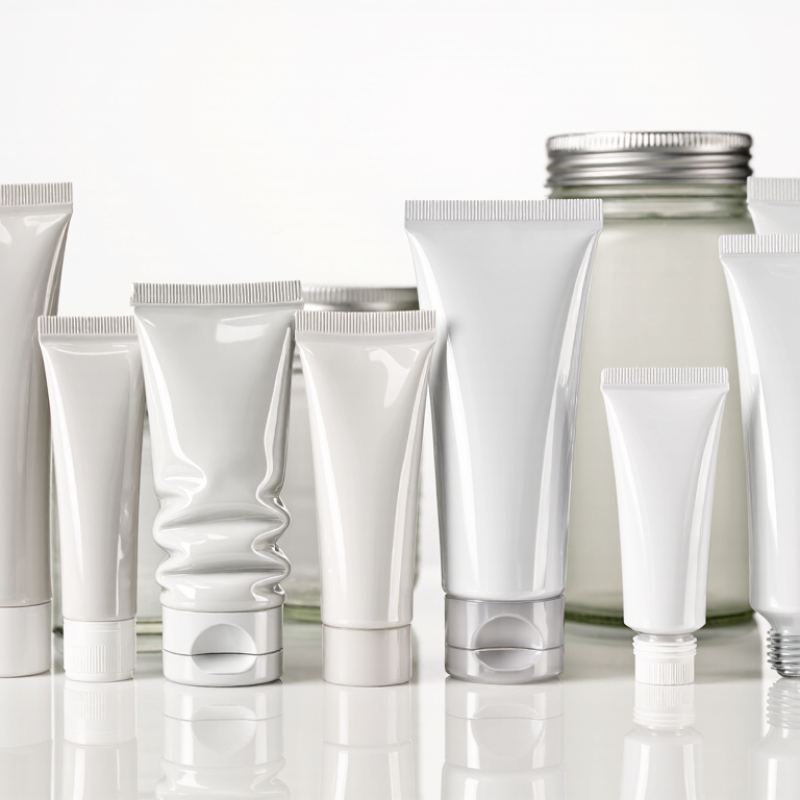
    Why Choose Plastic Tubes for Packaging?

    What Are Plastic Tubes and How Are They Used in Packaging?

    Plastic tubes are hollow, squeezable containers made from materials such as polyethylene, polypropylene, or laminated plastic. They usually include a tube body, shoulder, nozzle, and resealable cap. This structure protects the contents from dust, moisture, and repeated hand contact.

    In packaging, tubes hold creams, gels, toothpaste, sauces, cleaners, and other viscous products. Users can control the amount with gentle pressure. The narrow opening also supports cleaner application and precise dosing. Tubes suit high-speed filling lines because they are lightweight and easy to transport. According to the OECD’s Global Plastics Outlook, packaging created nearly 40% of global plastic waste in 2019. That figure makes material selection important, not optional.

    Designers may add barrier layers to protect light-sensitive or oxygen-sensitive contents. However, multilayer tubes can be harder to sort and recycle. A recyclable tube is not automatically a recycled tube. The cap, shoulder, and leftover product still matter. UNEP’s 2023 Turning off the Tap report states that more than 430 million tonnes of plastic are produced annually, with about two-thirds used briefly. Better tube design should therefore reduce material, improve emptying, and support compatible recycling systems. Practical testing remains essential. A tube that feels convenient may still waste product inside. Teams should test squeeze force, seal strength, chemical compatibility, and end-of-life conditions before production.

    Which Materials and Designs Make Plastic Tubes Effective?

    Plastic tubes remain effective because their materials and geometry solve practical packaging problems. Their soft walls support controlled squeezing, while sealed shoulders protect contents from repeated handling. HDPE provides stiffness and chemical resistance. LDPE offers flexibility and a softer hand feel. PP works well for caps, closures, and higher-temperature applications.

    Material selection should match the product. Moisture-sensitive formulas may need an EVOH barrier layer, while oxygen-sensitive products can require additional protection. However, multilayer structures often complicate recycling. The OECD’s Global Plastics Outlook reported 353 million tonnes of plastic waste worldwide in 2019. That figure makes end-of-life design impossible to ignore. Mono-material PE tubes, compatible caps, and clearly reduced decoration can improve sorting and recovery. Small changes matter.

    Design details also influence user experience and material efficiency. A narrow orifice controls dosage and limits mess around the cap. Rounded shoulders help empty more product from the tube. Lightweight walls reduce resin use, but excessive thinning can cause creasing, leakage, or poor shelf appeal. This is where judgment matters. Maximum barrier is not always the best package. Smithers’ plastic tube market research identifies sustainability and improved dispensing as major development drivers through the decade. In practice, teams should test squeeze force, seal strength, drop resistance, and product compatibility before launch. Laboratory results help, but real users often expose weaknesses that controlled testing misses.

    What Benefits Do Plastic Tubes Offer for Product Packaging?

    Plastic tubes offer practical benefits for product packaging, especially when clean dispensing matters. Their flexible walls let users control the amount with a gentle squeeze. This helps reduce spills around sinks, counters, and travel bags. Tubes also protect contents from frequent hand contact. A well-designed cap can limit exposure to air, moisture, and dust. Different plastic types, such as PE or PP, can support varied product needs. Their light weight may reduce shipping loads compared with heavier containers.

    Plastic tubes are not perfect. Some multilayer structures improve protection but make recycling more difficult. That trade-off deserves careful review. Tube shape also supports efficient filling and storage, while printed surfaces provide clear space for instructions and usage details. In practical packaging tests, cap fit, seam strength, and squeeze performance should be checked repeatedly. A tube that looks attractive may still leak after transport or become difficult to empty near the end.

    Tips: Match the tube material to the formula and storage conditions. Test it with real users. Check whether the cap opens easily with wet hands. Leave enough product inside for smooth dispensing. Confirm recycling guidance before selecting a complex structure. Small details matter.

    How Are Plastic Tubes Manufactured, Filled, and Sealed?

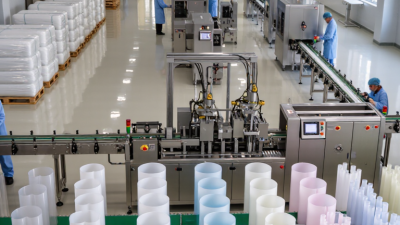
    Plastic tubes are chosen for their light weight, controlled dispensing, and practical protection from air and moisture. Their flexible walls also help consumers use nearly all the product. Manufacturing begins with plastic pellets, which are heated and pushed through a forming die. This creates a continuous tube with a consistent wall thickness. Some tubes use multilayer structures for stronger barrier performance.

    The tube body is cut to length before a molded shoulder and nozzle are attached. Operators then trim the edges and inspect the surface for cracks, pinholes, or uneven joints. Small defects can affect both appearance and product safety. Filling starts with clean, empty tubes positioned beneath calibrated filling nozzles. A metered piston delivers the product at a controlled volume. Clean tubes matter.

    The nozzle enters the tube without touching its inner wall whenever possible. This reduces contamination and keeps the tube opening cleaner. After filling, the open end passes through a sealing station. Heat sealing softens the plastic, while pressure forms a closed seam. Some designs receive a folded or clipped seal instead. Cooling helps the seal retain its shape during transport. In real production, perfect alignment is difficult. Product residue, temperature changes, or worn tooling can weaken a seal. Experienced teams therefore check seal strength, weight, appearance, and leak resistance throughout the run. Even reliable equipment needs adjustment.

    Why Choose Plastic Tubes for Packaging?

    Common nominal fill-volume formats used for plastic tube packaging

    Plastic tubes are lightweight, easy to dispense, and available in a wide range of fill volumes for personal-care, pharmaceutical, cosmetic, food, and household products. Common sizes range from small 5 mL tubes to larger 200 mL formats.

    A typical tube is manufactured by extruding or molding the plastic body, forming the shoulder and opening, filling the product through the open end, and sealing the tail with heat, ultrasonic energy, or mechanical crimping. The exact material, wall thickness, filling speed, and sealing conditions depend on the product and packaging design.

    The chart shows representative commercial tube capacities; actual size availability varies by product category and market.

    What Sustainability Factors Should Guide Plastic Tube Selection?

    Why Choose Plastic Tubes for Packaging?

    A practical packaging audit starts with product protection, not material fashion. Plastic tubes are lightweight, squeezable, and resistant to moisture, which can reduce product loss during transport and use. However, sustainability depends on the full system. The OECD reported that only 9% of global plastic waste was recycled in 2019. A recyclable tube still fails when local collection systems cannot process it.

    Material simplicity should guide selection. Mono-material polyethylene tubes may be easier to sort than complex tubes containing several layers, adhesives, or metal barriers. Ask whether the tube matches existing recycling streams. Ask again about the cap, shoulder, label, and ink. Small components can decide the outcome. Recycled content can lower demand for virgin resin, but availability, hygiene requirements, and consistent quality remain practical limits. A life-cycle assessment should compare resin production, manufacturing energy, transport weight, and end-of-life treatment. ISO 14040 provides the core framework for that assessment.

    Design efficiency matters. Thin walls, controlled dispensing, and concentrated formulas can reduce packaging volume. The Ellen MacArthur Foundation’s 2023 Global Commitment report stresses that packaging must be designed for circular systems, not only labeled recyclable. This distinction is often missed. A lower carbon figure is not automatically a better tube. Data may also reflect optimistic recycling assumptions. Selection teams should request verified environmental data, test real recovery routes, and record compromises openly. Sustainability claims need evidence, not attractive wording.

    Why Choose Plastic Tubes for Packaging? - What Sustainability Factors Should Guide Plastic Tube Selection?

    Tube Structure or Material Typical Resin Identification Material Density Sustainability Strengths Main Limitations End-of-Life Considerations Suitable Applications
    Mono-material HDPE tube HDPE: #2 Approximately 0.94–0.97 g/cm³ Strong, lightweight, widely used, and compatible with established PE recycling systems in many markets. Its stiffness can reduce the amount of material needed for a rigid tube wall. Lower oxygen and aroma barrier than multilayer structures. Recycling acceptance varies by country and packaging format. Most suitable for recycling when the tube, shoulder, and cap are made from compatible PE materials and labels or coatings do not interfere with sorting. Personal care, household products, creams, gels, and non-sensitive formulations.
    Mono-material LDPE tube LDPE: #4 Approximately 0.91–0.94 g/cm³ Very lightweight, flexible, and efficient for dispensing products with low material use. PE-based structures can be designed for compatibility with PE recycling streams. Lower stiffness and weaker barrier performance than HDPE or barrier laminates. Flexible packaging formats may be difficult for some sorting systems to handle. Recycling depends on local collection and sorting infrastructure. A compatible PE cap and decoration system can improve recyclability. Lotions, gels, ointments, shampoos, and products requiring a soft squeeze.
    Mono-material PP tube PP: #5 Approximately 0.90–0.91 g/cm³ Low density, good chemical resistance, and useful heat resistance. A single-polymer PP design can simplify material identification. PP collection is not available in every region, and tube-specific recycling pathways may be limited. Processing requirements can differ from PE systems. Use only where local recyclers accept PP tubes or the intended recovery route is clearly documented. Products requiring higher temperature resistance or strong compatibility with oils and chemicals.
    PE tube containing post-consumer recycled resin Usually HDPE or LDPE: #2 or #4 Approximately 0.91–0.97 g/cm³, depending on the PE grade and blend Uses recovered consumer material and can reduce demand for virgin resin. It supports circular-material objectives when traceability and quality controls are in place. Color, odor, consistency, regulatory status, and availability can vary. Food, pharmaceutical, and cosmetic uses may require specific compliance testing. Keep the structure as compatible as possible with the intended PE recycling stream. Confirm the recycled content percentage and chain of custody. Non-food personal care, household, and industrial products where recycled-content specifications are appropriate.
    PE tube with an EVOH barrier layer Main structure: PE #2 or #4; EVOH is a barrier polymer Overall density varies by layer design Can extend product shelf life by reducing oxygen transfer, potentially lowering product waste. The barrier layer can be very thin compared with the main PE layers. Multilayer construction is more difficult to recycle than a true mono-material tube. Adhesive and tie layers may further complicate recovery. Select only when the required barrier cannot be achieved with a mono-material design. Confirm recyclability claims with the target market’s infrastructure. Oxygen-sensitive creams, active formulations, food pastes, and products where shelf-life protection is essential.
    Plastic tube with aluminum-plastic laminate Usually PE or PP combined with an aluminum foil layer Varies significantly by plastic, foil thickness, and layer ratio Provides very high protection against light, oxygen, moisture, and aroma transfer, which can help prevent product loss and preserve sensitive contents. Different materials are permanently bonded, increasing separation and recycling difficulty. It generally uses more complex converting processes. Usually not suitable for conventional single-polymer recycling unless a specialized recovery route exists. Avoid when the barrier is not necessary. Highly sensitive pharmaceutical, cosmetic, food, and chemical products.
    Tube made with bio-based PE Chemically equivalent to PE: #2 or #4 Approximately 0.91–0.97 g/cm³, depending on the PE grade Can reduce reliance on fossil feedstocks when responsibly sourced. It has the same polymer type as conventional PE and can support existing PE processing designs. Bio-based content does not mean biodegradable. Agricultural impacts, land use, sourcing, and certification must be assessed. Usually follows the same recycling route as conventional PE. Correctly communicate bio-based content separately from recyclability or compostability. Applications seeking renewable feedstock while retaining conventional PE performance.
    Lightweight, thin-wall plastic tube Typically PE or PP: #2, #4, or #5 Depends on the selected resin Reduces material consumption, packaging weight, and transport volume while retaining the convenient squeeze-and-dispense format. Excessive lightweighting can reduce puncture resistance, stability, seal performance, and consumer emptying efficiency. Use a design that can be emptied effectively and remains compatible with the selected recycling stream. High-volume personal care, household, and cosmetic products where material reduction is technically validated.
    Selection Guidance: Prioritize a mono-material structure where product protection allows it, minimize unnecessary layers and decorations, use recycled or responsibly sourced content with verified documentation, design the cap and shoulder for material compatibility, and confirm local collection and recycling conditions before making recyclability claims.

    Note: Density ranges and recycling outcomes are general industry characteristics. Actual performance depends on resin grade, wall thickness, additives, closures, decoration, product formulation, and the recycling infrastructure available in the target market.